
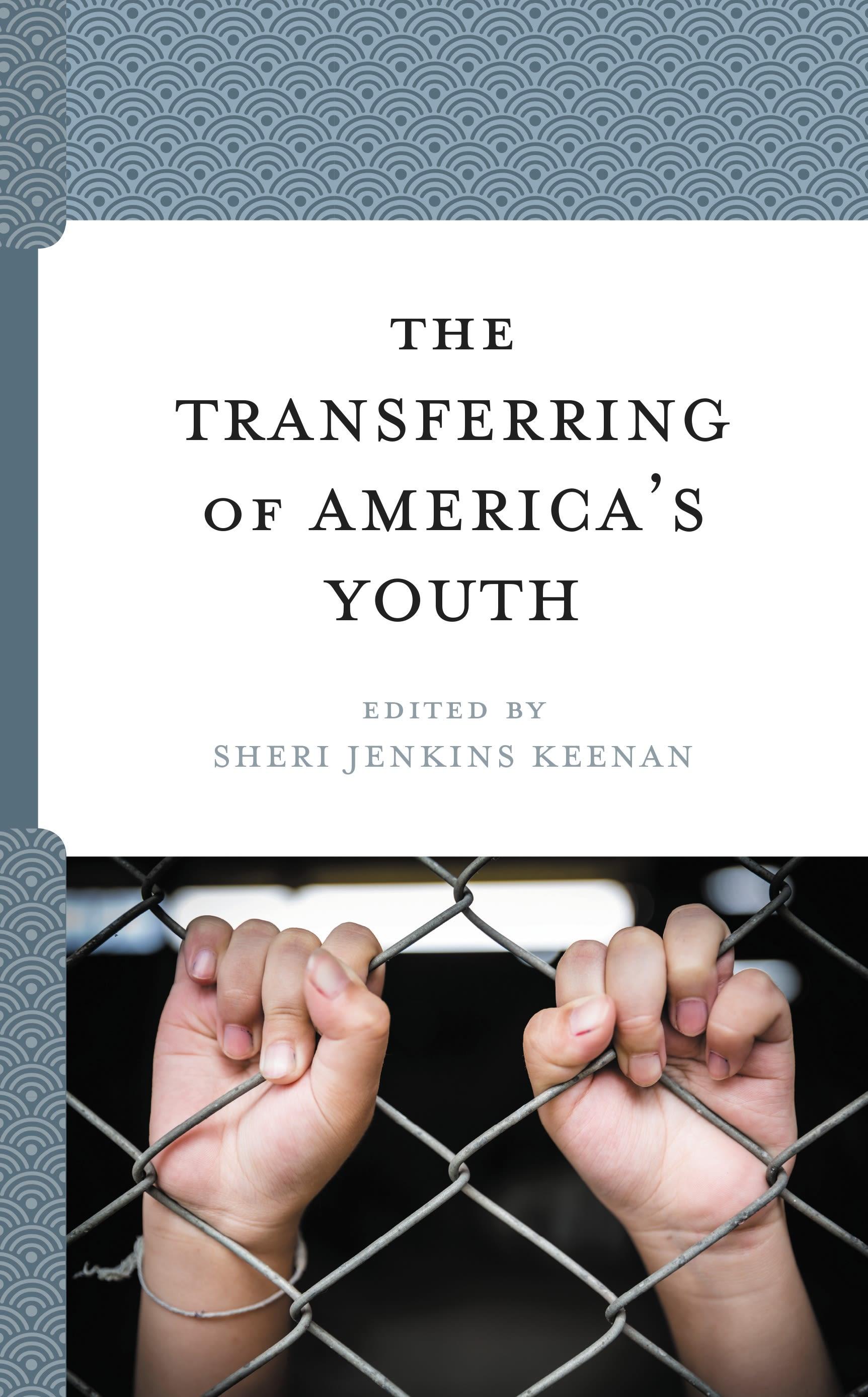
A separate juvenile justice system was established in the United States in 1899 with a goal of diverting juvenile offenders from the harsh punishments of the adult criminal court, and encouraging rehabilitation based on the individual needs of the offender. This new juvenile court was set up as a civil or chancery court with informal proceedings and discretion left to the juvenile court judge. Furthermore, juvenile court proceedings were closed to the public and juvenile records were to remain confidential.
However, as the decades progressed juveniles became increasingly involved in more serious crimes. This generated a growing fear among lawmakers, educators, and the public which resulted in a number of “get tough” policies and strategies. By the 1990s the most popular approach in dealing with violent juvenile crime was for states to make it easier or to require the prosecution of juveniles as adults in criminal court.
Research demonstrates that such policies may be counter-productive, increase rather than decrease recidivism, and cause harm to offenders, their families, and the community. This volume provides a comprehensive historical review of knowledge surrounding the transfer of American’s youth from the rehabilitative, individualized treatment of the juvenile justice system to the adult criminal justice system.
However, as the decades progressed juveniles became increasingly involved in more serious crimes. This generated a growing fear among lawmakers, educators, and the public which resulted in a number of “get tough” policies and strategies. By the 1990s the most popular approach in dealing with violent juvenile crime was for states to make it easier or to require the prosecution of juveniles as adults in criminal court.
Research demonstrates that such policies may be counter-productive, increase rather than decrease recidivism, and cause harm to offenders, their families, and the community. This volume provides a comprehensive historical review of knowledge surrounding the transfer of American’s youth from the rehabilitative, individualized treatment of the juvenile justice system to the adult criminal justice system.
Pagina's: 130
Categorie: Kriminologi
e-ISBN: 9781793623645
Verzendgewicht: 1.2 kg
Verzending binnen: 1-2 dagen
Betaal eenvoudig met kaart, Klarna, Apple Pay of Google Pay. Niet tevreden? Je hebt altijd 14 dagen bedenktijd. Lees meer in onze voorwaarden. Heb je vragen, mail ons dan via hello@memmo.org.
Memmo maakt studeren makkelijker – waar je ook bent ter wereld. Wij brengen je cursusboeken en slimme studietools samen op één plek: samenvattingen, quizzen, podcasts en flashcards. En Ted, je studievriend die antwoord geeft op alles wat je je afvraagt. Meer dan 50.000 studenten studeren hier al – gebouwd om je sneller te laten leren en minder stress te geven.