
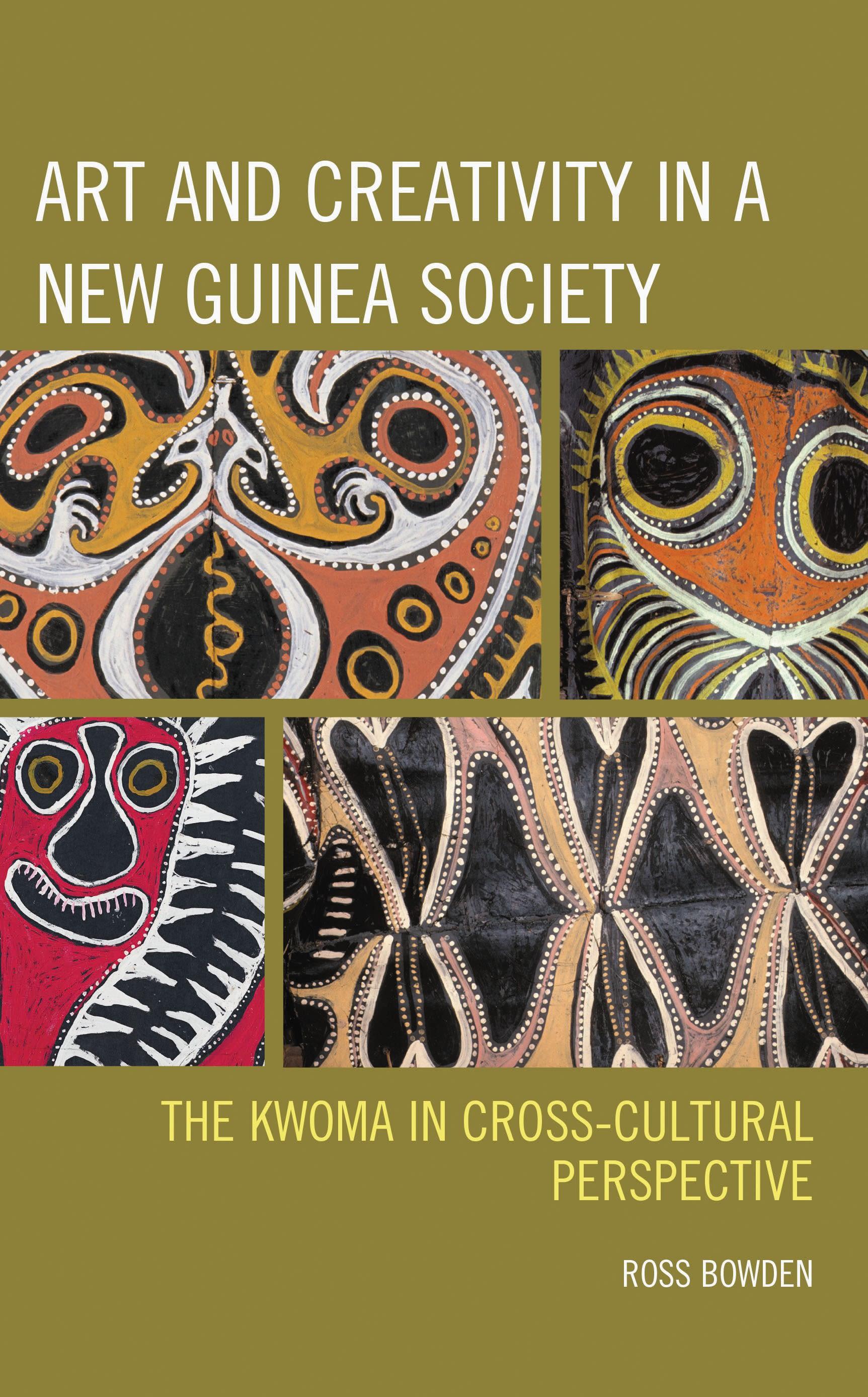
The Kwoma, the subject of this book, are one of a number of peoples in the Sepik River region of northern Papua New Guinea who have created some of the most distinctive visual art in the Pacific. Through case studies of their painting, sculpture, architecture and ritual this book examines in detail how people in this society understand their art as a cultural phenomenon. This includes how they understand its origins in the spirit world, how they judge quality in art and how they understand artistic creativity. The book contrasts Kwoma beliefs with the radically different approach to art found in the modern West. The modern Western concept of art first emerged not in the eighteenth century in the Enlightenment, or even later, as anthropologists and art historians often assume, but several centuries earlier in the Renaissance. The book gives an account of radical changes that took place culturally in Europe between the twelfth and sixteenth centuries in the way human intellectual creativity was understood, and how this gave rise to a new concept of art, one that remains unchanged in the modern West today.
Betaal eenvoudig met kaart, Klarna, Apple Pay of Google Pay. Niet tevreden? Je hebt altijd 14 dagen bedenktijd. Lees meer in onze voorwaarden. Heb je vragen, mail ons dan via hello@memmo.org.
Memmo maakt studeren makkelijker – waar je ook bent ter wereld. Wij brengen je cursusboeken en slimme studietools samen op één plek: samenvattingen, quizzen, podcasts en flashcards. En Ted, je studievriend die antwoord geeft op alles wat je je afvraagt. Meer dan 50.000 studenten studeren hier al – gebouwd om je sneller te laten leren en minder stress te geven.