
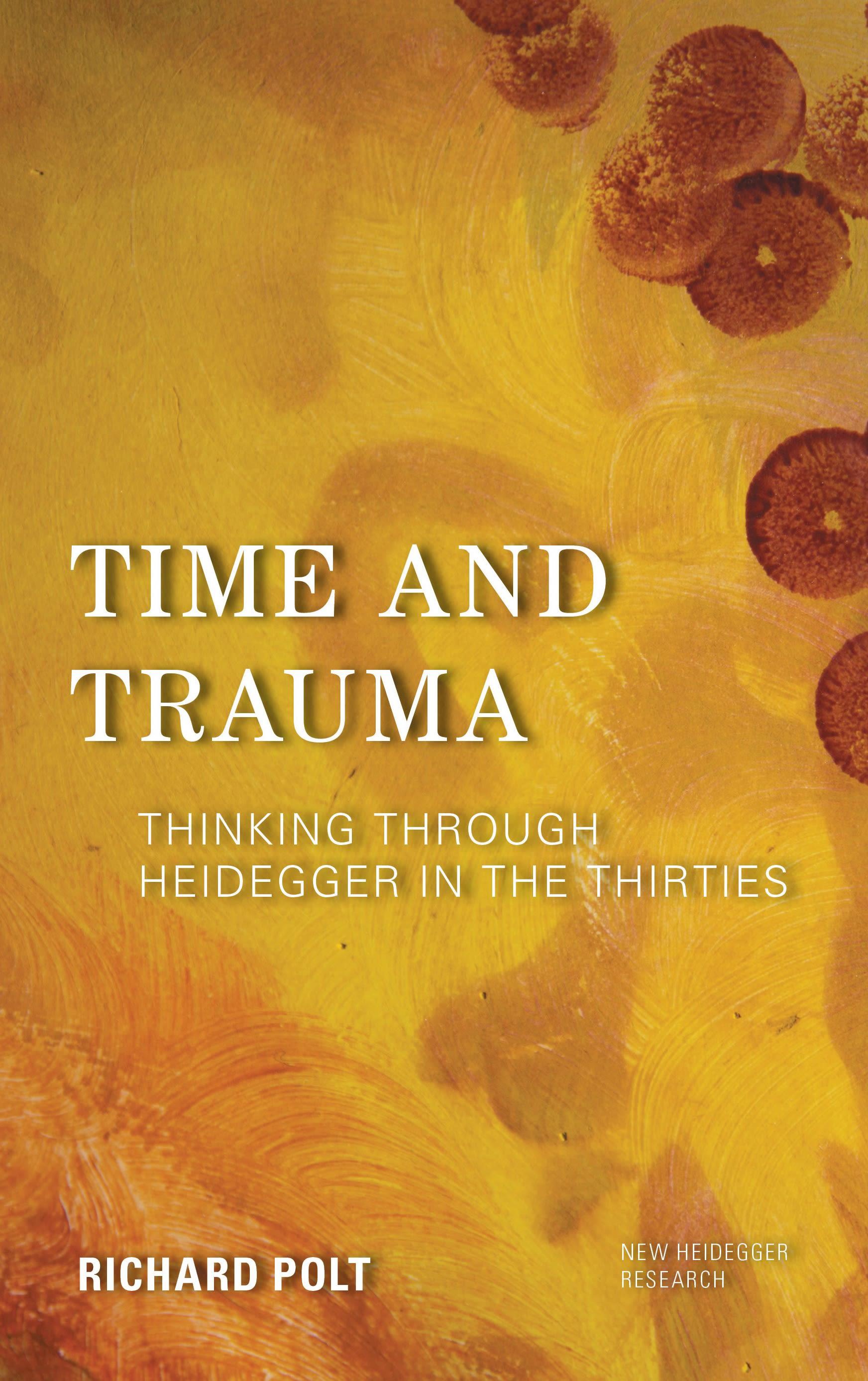
In this important new book, Richard Polt takes a fresh approach to Heidegger’s thought during his most politicized period, and works toward a philosophical appropriation of his most valuable ideas. Polt shows how central themes of the 1930s—such as inception, emergency, and the question “Who are we?”—grow from seeds planted in Being and Time and are woven into Heidegger’s political thought. Working with recently published texts, including Heidegger’s Black Notebooks, Polt traces the thinker’s engagement and disengagement from the Nazi movement. He critiques Heidegger for his failure to understand the political realm, but also draws on his ideas to propose a “traumatic ontology” that understands individual and collective existence as identities that are always in question, and always remain exposed to disruptive events. Time and Trauma is a bold attempt to gain philosophical insight from the most problematic and controversial phase of Heidegger’s thought.
Betaal eenvoudig met kaart, Klarna, Apple Pay of Google Pay. Niet tevreden? Je hebt altijd 14 dagen bedenktijd. Lees meer in onze voorwaarden. Heb je vragen, mail ons dan via hello@memmo.org.
Memmo maakt studeren makkelijker – waar je ook bent ter wereld. Wij brengen je cursusboeken en slimme studietools samen op één plek: samenvattingen, quizzen, podcasts en flashcards. En Ted, je studievriend die antwoord geeft op alles wat je je afvraagt. Meer dan 50.000 studenten studeren hier al – gebouwd om je sneller te laten leren en minder stress te geven.