
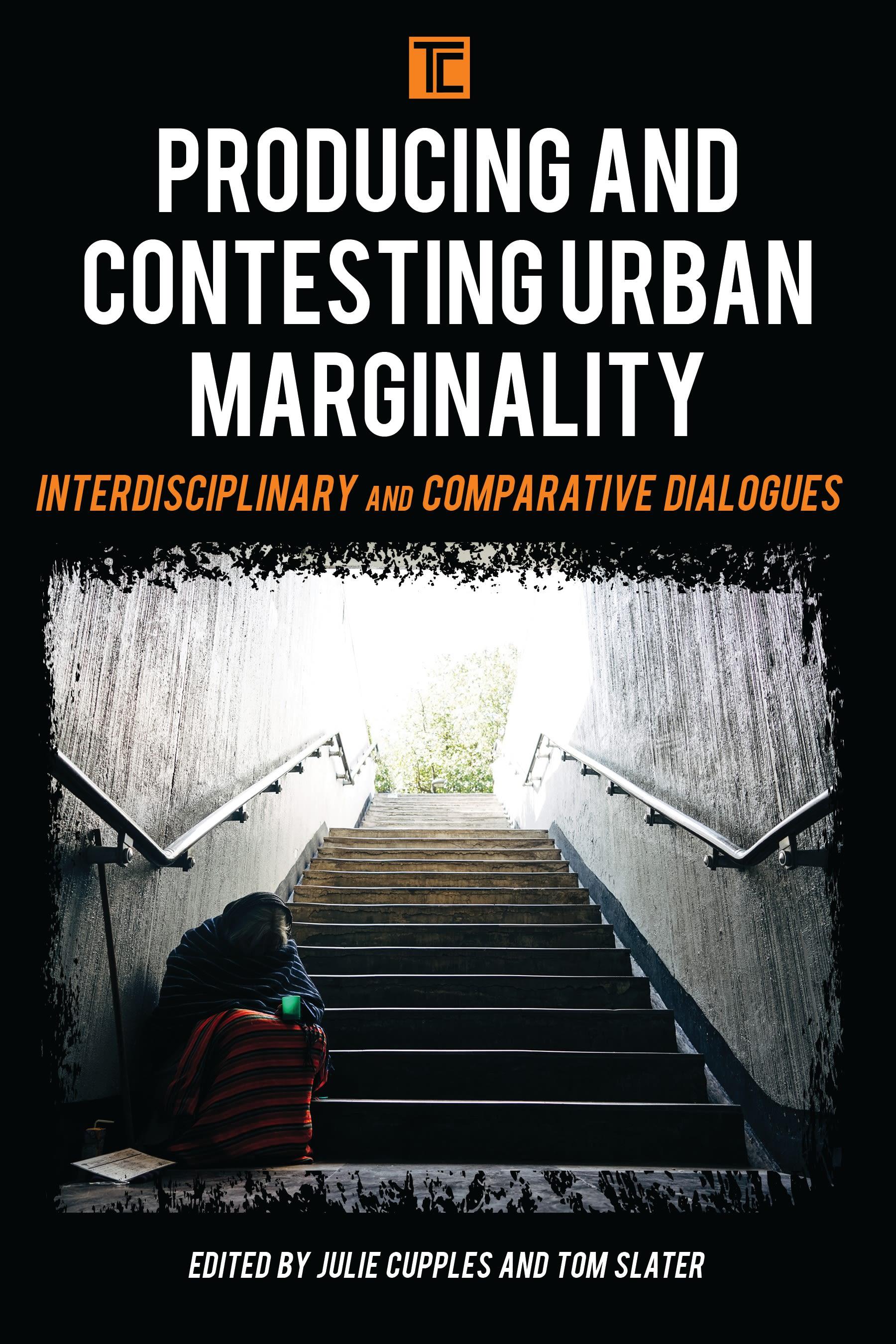
In Mexico City, as in many other large cities worldwide, contemporary modes of urban governance have overwhelmingly benefited affluent populations and widened social inequalities. Disinvestment from social housing and rent-seeking developments by real estate companies and land speculators have resulted in the displacement of low-income populations to the urban periphery. Public social spaces have been eliminated to make way for luxury apartments and business interests. Low-income neighbourhoods are often stigmatized by dominant social forces to justify their demolition.
The urban poor have however negotiated and resisted these developments in a range of ways. This text explores these urban dynamics in Mexico City and beyond, looking at the material and symbolic mechanisms through which urban marginality is produced and contested. It seeks to understand how things might be otherwise, how the city might be geared towards more inclusive forms of belonging and citizenship.
The urban poor have however negotiated and resisted these developments in a range of ways. This text explores these urban dynamics in Mexico City and beyond, looking at the material and symbolic mechanisms through which urban marginality is produced and contested. It seeks to understand how things might be otherwise, how the city might be geared towards more inclusive forms of belonging and citizenship.
Betaal eenvoudig met kaart, Klarna, Apple Pay of Google Pay. Niet tevreden? Je hebt altijd 14 dagen bedenktijd. Lees meer in onze voorwaarden. Heb je vragen, mail ons dan via hello@memmo.org.
Memmo maakt studeren makkelijker – waar je ook bent ter wereld. Wij brengen je cursusboeken en slimme studietools samen op één plek: samenvattingen, quizzen, podcasts en flashcards. En Ted, je studievriend die antwoord geeft op alles wat je je afvraagt. Meer dan 50.000 studenten studeren hier al – gebouwd om je sneller te laten leren en minder stress te geven.