
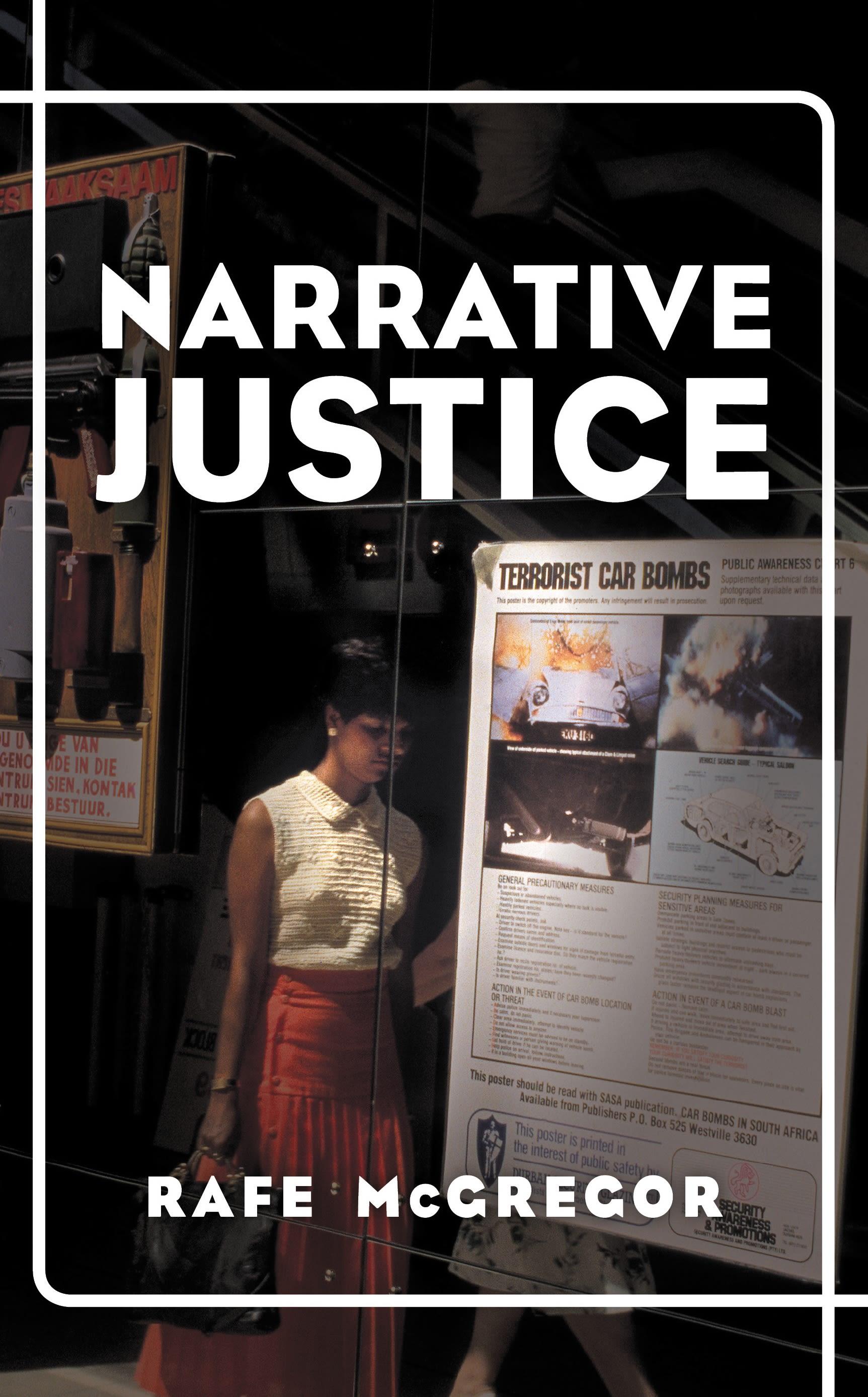
This book introduces narrative justice, a new theory of aesthetic education – the thesis that the cultivation of aesthetic or artistic sensibility can both improve moral character and achieve political justice. The author argues that there is a subcategory of narrative representations that provide moral knowledge regardless of their categorisation as fiction or non-fiction, and which therefore can be employed as a means of moral improvement. McGregor applies this narrative ethics to the criminology of inhumanity, including both crimes against humanity and terrorism. Expanding on the methodology of narrative criminology, he demonstrates that narrative representations can be employed to evaluate responsibility for inhumanity, to understand the psychology of inhumanity, and to undermine inhumanity – and are thus a means to the end of opposing injustice. He concludes that the cultivation of narrative sensibility is an important tool for both moral improvement and political justice.
Pagina's: 232
Categorie: Filosofi
e-ISBN: 9781786606341
Verzendgewicht: 1.2 kg
Verzending binnen: 1-2 dagen
Betaal eenvoudig met kaart, Klarna, Apple Pay of Google Pay. Niet tevreden? Je hebt altijd 14 dagen bedenktijd. Lees meer in onze voorwaarden. Heb je vragen, mail ons dan via hello@memmo.org.
Memmo maakt studeren makkelijker – waar je ook bent ter wereld. Wij brengen je cursusboeken en slimme studietools samen op één plek: samenvattingen, quizzen, podcasts en flashcards. En Ted, je studievriend die antwoord geeft op alles wat je je afvraagt. Meer dan 50.000 studenten studeren hier al – gebouwd om je sneller te laten leren en minder stress te geven.