
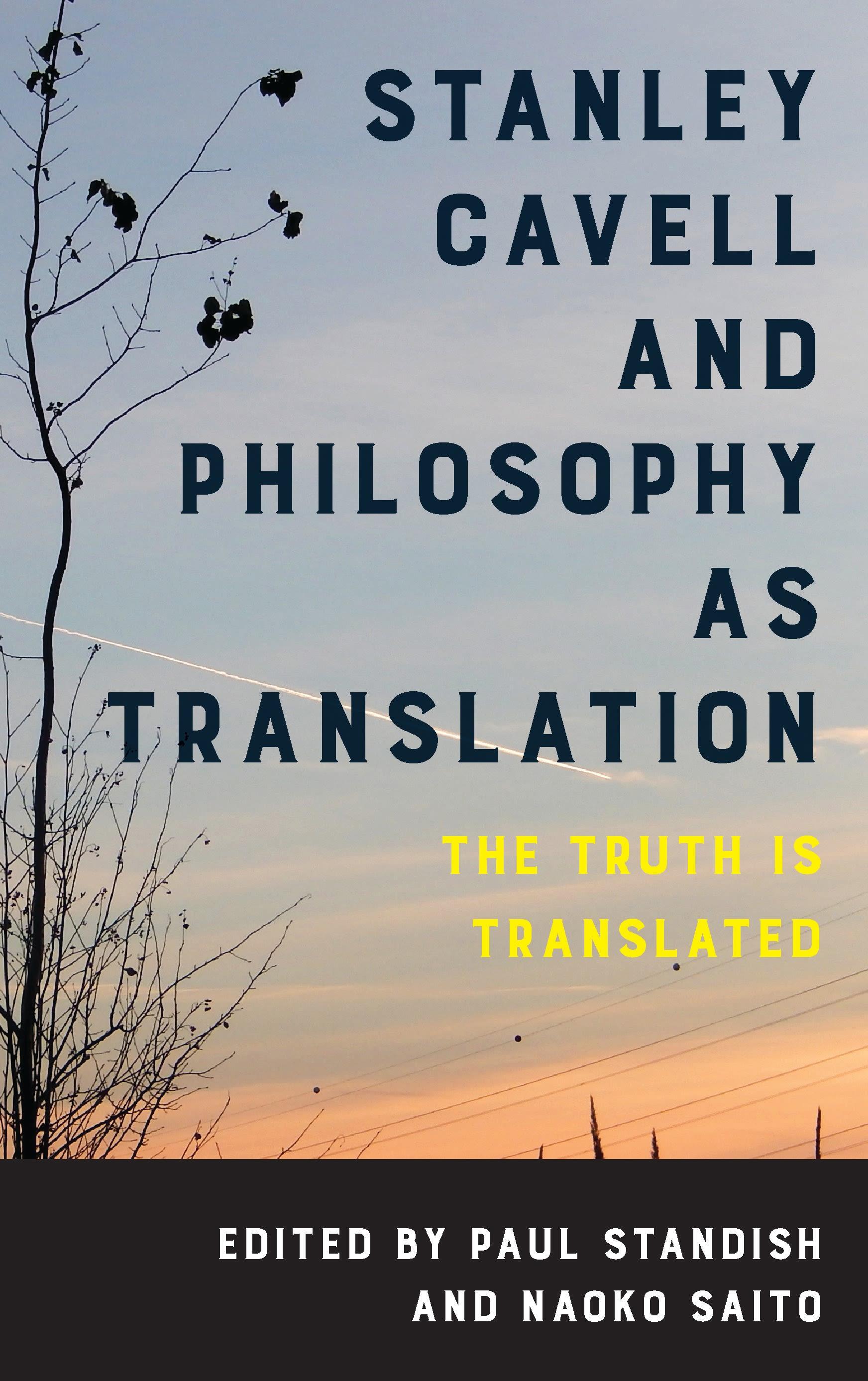
Translation exposes aspects of language that can easily be ignored, renewing the sense of the proximity and inseparability of language and thought. The ancient quarrel between philosophy and literature was an early expression of a self-understanding of philosophy that has, in some quarters at least, survived the centuries. This book explores the idea of translation as a philosophical theme and as an important feature of philosophy and practical life, especially in relation to the work of Stanley Cavell.
The essays in this volume explore philosophical questions about translation, especially in the light of the work of Stanley Cavell. They take the questions raised by translation to be of key importance not only for philosophical thinking but for our lives as a whole. Thoreau’s enigmatic remark “The truth is translated” reveals that apparently technical matters of translation extend through human lives to remarkable effect, conditioning the ways in which the world comes to light. The experience of the translator exemplifies the challenge of judgement where governing rules and principles are incommensurable; and it shows something of the ways in which words come to us, opening new possibilities of thought. This book puts Cavell’s rich exploration of these matters into conversation with traditions of pragmatism and European thought. Translation, then, far from a merely technical matter, is at work in human being, and it is the means of humanisation. The book brings together philosophers and translators with common interests in Cavell and in the questions of language at the heart of his work.
The essays in this volume explore philosophical questions about translation, especially in the light of the work of Stanley Cavell. They take the questions raised by translation to be of key importance not only for philosophical thinking but for our lives as a whole. Thoreau’s enigmatic remark “The truth is translated” reveals that apparently technical matters of translation extend through human lives to remarkable effect, conditioning the ways in which the world comes to light. The experience of the translator exemplifies the challenge of judgement where governing rules and principles are incommensurable; and it shows something of the ways in which words come to us, opening new possibilities of thought. This book puts Cavell’s rich exploration of these matters into conversation with traditions of pragmatism and European thought. Translation, then, far from a merely technical matter, is at work in human being, and it is the means of humanisation. The book brings together philosophers and translators with common interests in Cavell and in the questions of language at the heart of his work.
Betaal eenvoudig met kaart, Klarna, Apple Pay of Google Pay. Niet tevreden? Je hebt altijd 14 dagen bedenktijd. Lees meer in onze voorwaarden. Heb je vragen, mail ons dan via hello@memmo.org.
Memmo maakt studeren makkelijker – waar je ook bent ter wereld. Wij brengen je cursusboeken en slimme studietools samen op één plek: samenvattingen, quizzen, podcasts en flashcards. En Ted, je studievriend die antwoord geeft op alles wat je je afvraagt. Meer dan 50.000 studenten studeren hier al – gebouwd om je sneller te laten leren en minder stress te geven.