
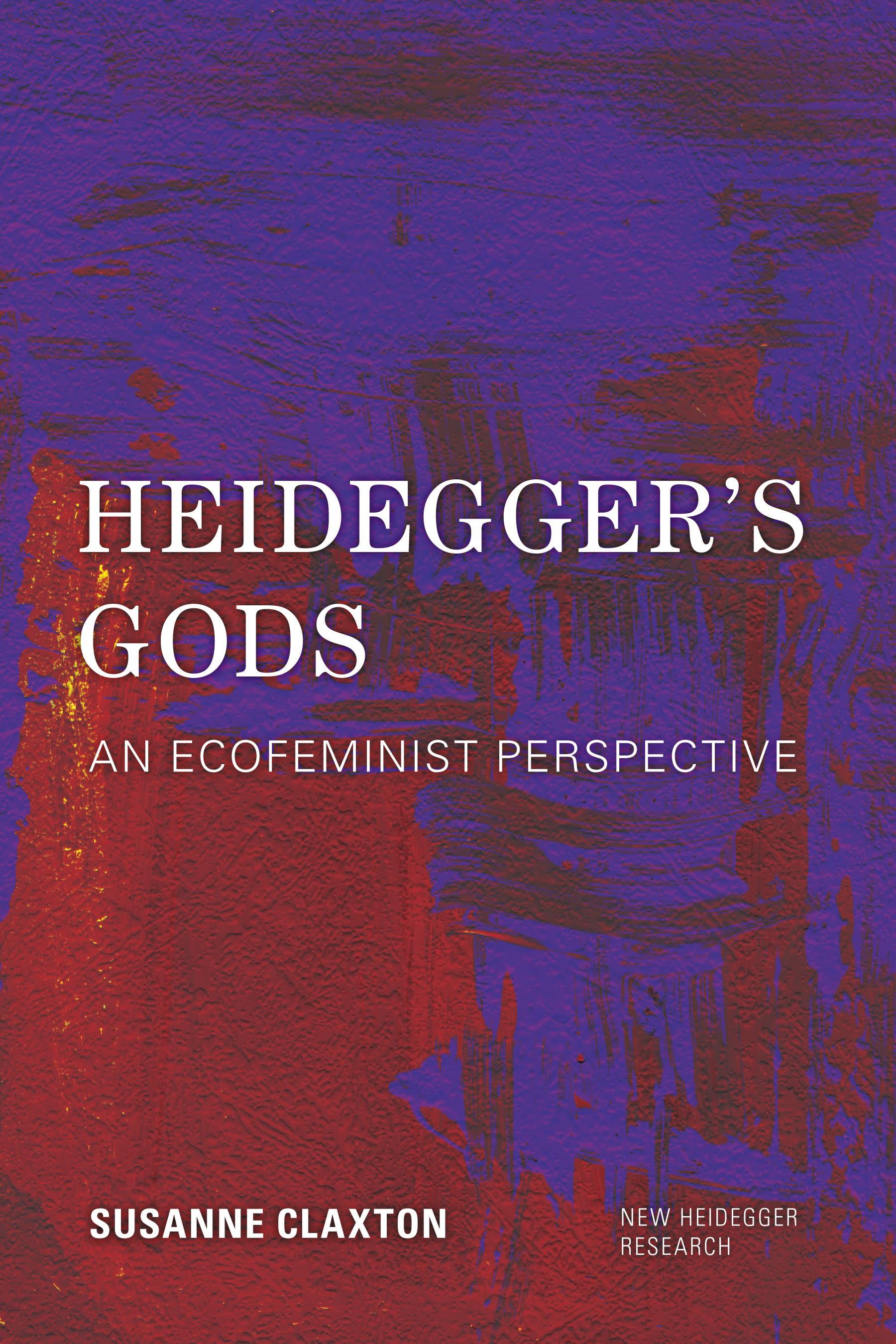
This highly original new book highlights the importance and significance of Heidegger's engagement with the Greeks, the ways in which his views are commensurate with ecofeminism, and the insights that a study of that intersection provides for both the diagnoses of our world’s ills and possible curative prescriptions.
Susanne Claxton defends the thesis that a proper return to myth and art as a means by which the transcendental realities that constitute the phenomenology of our embodied existence may be better understood is also the means by which we may come to truly dwell in the Heideggerian sense and thus find solutions to the myriad global and personal crises that plague us. By examining key concepts in Heidegger’s thinking and their role in ancient philosophy, Claxton establishes an alternative conception of truth and explores what that concept reveals. Employing the ecofeminist critique, Claxton highlights the relevant intersections with Heidegger, and lays out criticisms raised by Nietzsche, comparing the differences in thought between Nietzsche and Heidegger in order to demonstrate the supremacy of the ecophenomenological approach and show the ways in which Nietzsche falls short. The book also explores the mythological figure of Lilith and how the thought of Giorgio Agamben, especially in regard to his concept of the state of exception, provides further insight and an undeniable co-incidence of relevant concepts which further solidify the common goals and projects of both Heidegger and Ecofeminism.
Susanne Claxton defends the thesis that a proper return to myth and art as a means by which the transcendental realities that constitute the phenomenology of our embodied existence may be better understood is also the means by which we may come to truly dwell in the Heideggerian sense and thus find solutions to the myriad global and personal crises that plague us. By examining key concepts in Heidegger’s thinking and their role in ancient philosophy, Claxton establishes an alternative conception of truth and explores what that concept reveals. Employing the ecofeminist critique, Claxton highlights the relevant intersections with Heidegger, and lays out criticisms raised by Nietzsche, comparing the differences in thought between Nietzsche and Heidegger in order to demonstrate the supremacy of the ecophenomenological approach and show the ways in which Nietzsche falls short. The book also explores the mythological figure of Lilith and how the thought of Giorgio Agamben, especially in regard to his concept of the state of exception, provides further insight and an undeniable co-incidence of relevant concepts which further solidify the common goals and projects of both Heidegger and Ecofeminism.
Betaal eenvoudig met kaart, Klarna, Apple Pay of Google Pay. Niet tevreden? Je hebt altijd 14 dagen bedenktijd. Lees meer in onze voorwaarden. Heb je vragen, mail ons dan via hello@memmo.org.
Memmo maakt studeren makkelijker – waar je ook bent ter wereld. Wij brengen je cursusboeken en slimme studietools samen op één plek: samenvattingen, quizzen, podcasts en flashcards. En Ted, je studievriend die antwoord geeft op alles wat je je afvraagt. Meer dan 50.000 studenten studeren hier al – gebouwd om je sneller te laten leren en minder stress te geven.