
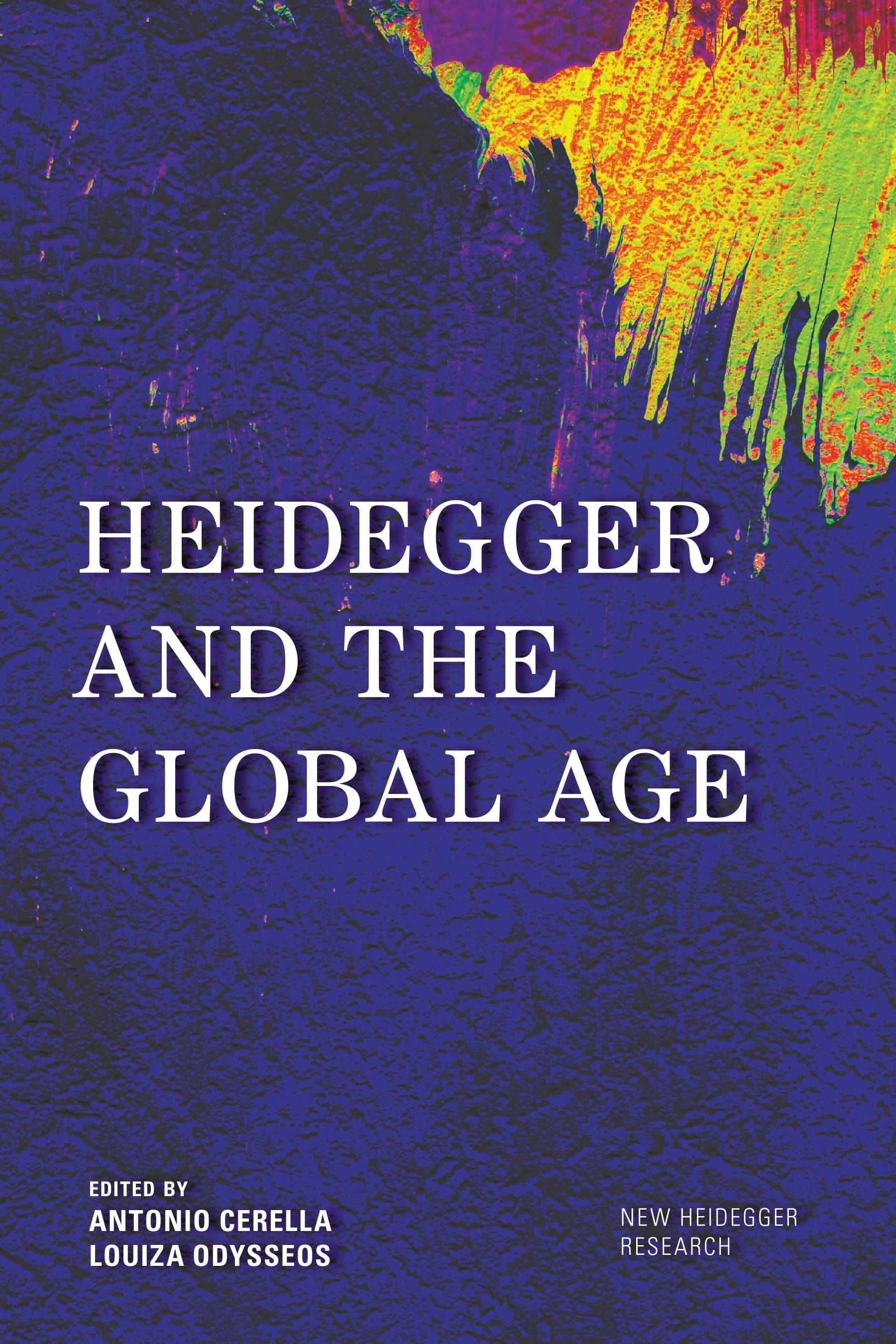
Globalization is one of the most contested and (ab)used concepts of our time. Whether one interprets it as a ‘collective illusion’ or as the final stage of capitalism, as ‘uncontrollable multitude’ or as a radical opening of new spaces of freedom, the ‘global age’ represents the conceptual and existential background of our being-in-the-world. But what lies behind this process? What mode of human existence is brought about by the age of technology and ‘global mobilization’? And is it possible to attempt a unitary interpretation of this age that presents itself as both total and pluralistic?
This volume rethinks these epochal questions in light of Martin Heidegger’s complex hermeneutics, proposing at the same time that such questions enable the interrogation of some of its most fundamental aspects: the metanarrative of Seinsgeschichte as withdrawal of Being; the structure of human existence within the frame of technology; the relation between humanism and nihilism, as well as politics and technology; the changing character of subjectivity in the ‘age of the world picture’; the mythopoeic force of art and the uprooting of human beings. As this volume shows, interrogating Heidegger’s thought has significant potential for both International Political Theory and also the analysis of specific concepts and dynamics in contemporary international studies, such as the changing character of spatiality, temporality, and subjectivity
This volume rethinks these epochal questions in light of Martin Heidegger’s complex hermeneutics, proposing at the same time that such questions enable the interrogation of some of its most fundamental aspects: the metanarrative of Seinsgeschichte as withdrawal of Being; the structure of human existence within the frame of technology; the relation between humanism and nihilism, as well as politics and technology; the changing character of subjectivity in the ‘age of the world picture’; the mythopoeic force of art and the uprooting of human beings. As this volume shows, interrogating Heidegger’s thought has significant potential for both International Political Theory and also the analysis of specific concepts and dynamics in contemporary international studies, such as the changing character of spatiality, temporality, and subjectivity
Betaal eenvoudig met kaart, Klarna, Apple Pay of Google Pay. Niet tevreden? Je hebt altijd 14 dagen bedenktijd. Lees meer in onze voorwaarden. Heb je vragen, mail ons dan via hello@memmo.org.
Memmo maakt studeren makkelijker – waar je ook bent ter wereld. Wij brengen je cursusboeken en slimme studietools samen op één plek: samenvattingen, quizzen, podcasts en flashcards. En Ted, je studievriend die antwoord geeft op alles wat je je afvraagt. Meer dan 50.000 studenten studeren hier al – gebouwd om je sneller te laten leren en minder stress te geven.