
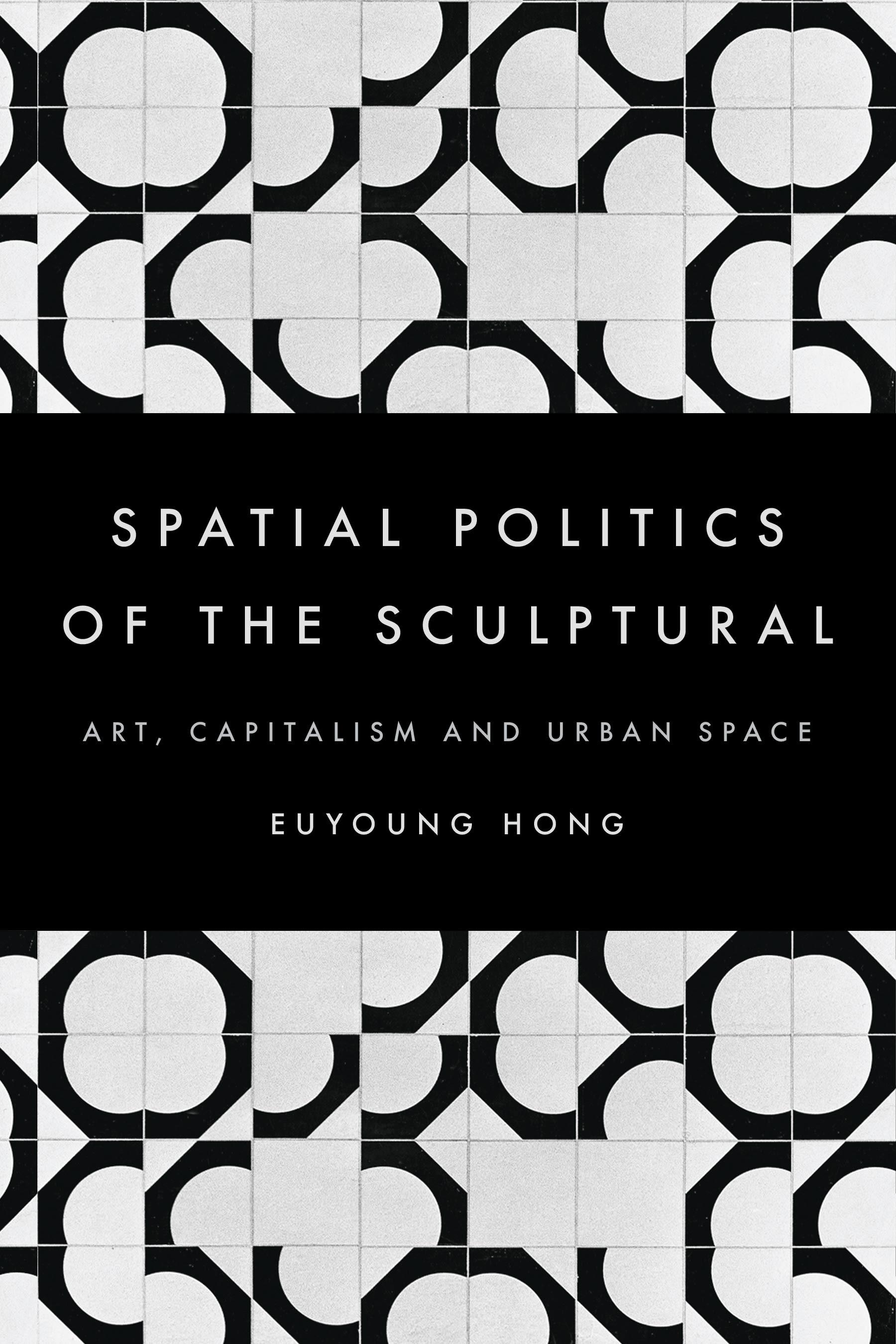
Space is a formative factor in the production of sculpture. Phenomenological thought interprets sculptural work in relation to the immersive experience of the viewer, situating it within its environment. But what possibilities lie beyond this unitary position? What is the political potential of a sculptural object? How can its spatial relations and movements be reconfigured beyond its immediate environment?
Spatial Politics of the Sculptural investigates the concept of space and its role in the production of the sculptural form from a multidimensional perspective. Engaging with the work of Krauss, Fried, Merleau-Pony, Deleuze and Guattari, and using case studies of urban development in Paris, New York and Seoul it reinterprets and dislocates the sculptural form in terms of the political dynamism of space proposing a new methodology for reading, producing and expanding sculptural practice. Drawing on David Harvey’s theory of capital, it scrutinizes the idea of the spatial in the process of urbanization. It examines the interrelationship between capital flow and accumulation, and explores the production and destruction of space in relation to the creation of three-dimensional works of art. In doing so, it expands the idea of the sculptural object in relation to the urban environment.
Spatial Politics of the Sculptural investigates the concept of space and its role in the production of the sculptural form from a multidimensional perspective. Engaging with the work of Krauss, Fried, Merleau-Pony, Deleuze and Guattari, and using case studies of urban development in Paris, New York and Seoul it reinterprets and dislocates the sculptural form in terms of the political dynamism of space proposing a new methodology for reading, producing and expanding sculptural practice. Drawing on David Harvey’s theory of capital, it scrutinizes the idea of the spatial in the process of urbanization. It examines the interrelationship between capital flow and accumulation, and explores the production and destruction of space in relation to the creation of three-dimensional works of art. In doing so, it expands the idea of the sculptural object in relation to the urban environment.
Betaal eenvoudig met kaart, Klarna, Apple Pay of Google Pay. Niet tevreden? Je hebt altijd 14 dagen bedenktijd. Lees meer in onze voorwaarden. Heb je vragen, mail ons dan via hello@memmo.org.
Memmo maakt studeren makkelijker – waar je ook bent ter wereld. Wij brengen je cursusboeken en slimme studietools samen op één plek: samenvattingen, quizzen, podcasts en flashcards. En Ted, je studievriend die antwoord geeft op alles wat je je afvraagt. Meer dan 50.000 studenten studeren hier al – gebouwd om je sneller te laten leren en minder stress te geven.