
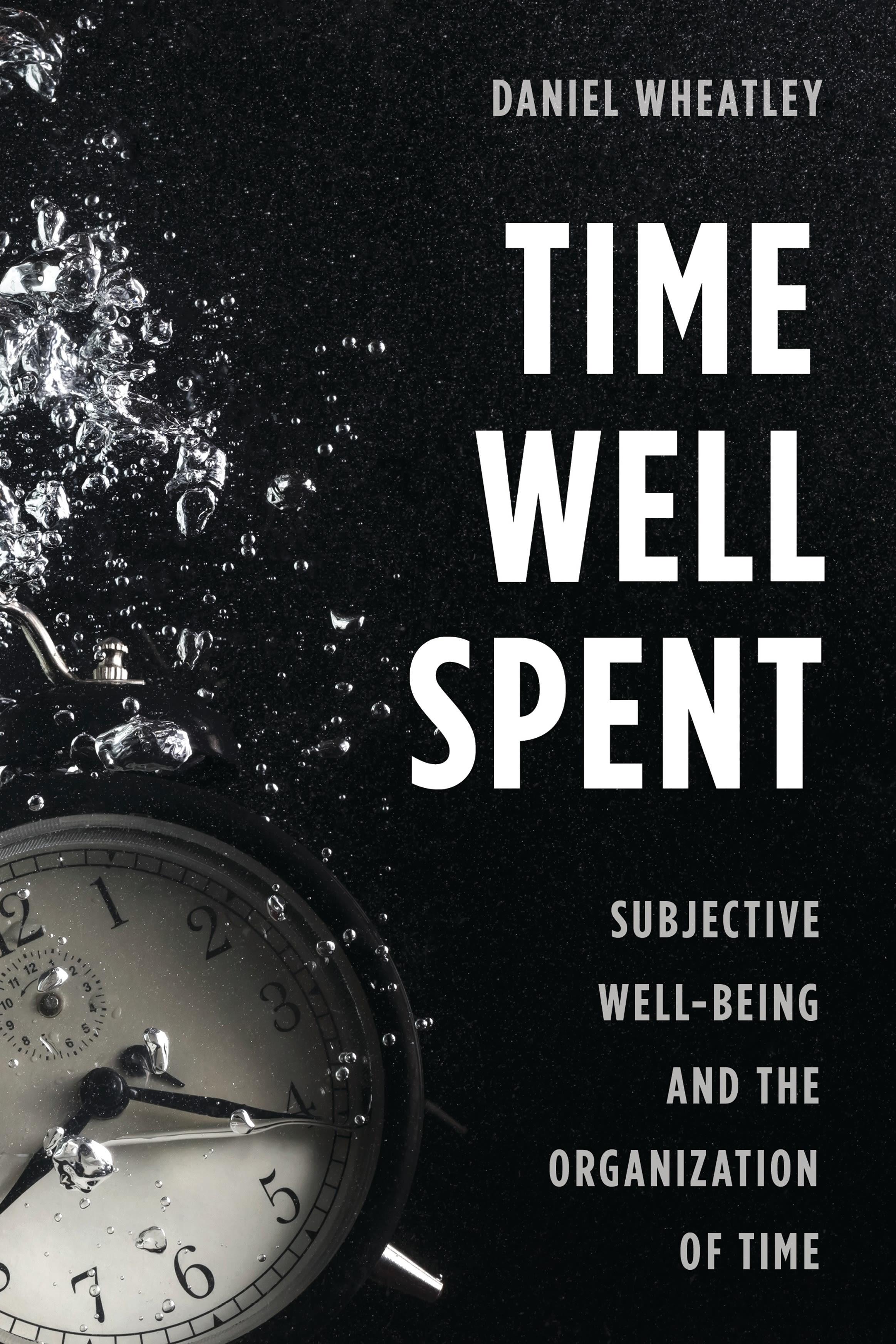
Measuring quality of life has been identified as fundamental in assessing the relative progress of societies and as having relevance for both monitoring and policy-making purposes. Self-reported measures of well-being, referred to as subjective well-being, have become increasingly topical given the growing awareness of the limitations of existing measures of well-being including gross domestic product (GDP). In the UK, the ONS’s ‘Happiness Index’ was launched in 2010 by Prime Minister David Cameron.
This book aims to improve our understanding of well-being through an analysis of time-use in a post-industrial society, the UK, drawing on empirical data from large-scale surveys such as Understanding Society and smaller-scale case study evidence. It uses a plurality of theoretical perspectives to explore the relationship between our use of time and our reported levels of satisfaction, and considers the policy lessons that we can take from our organization of time.
This book aims to improve our understanding of well-being through an analysis of time-use in a post-industrial society, the UK, drawing on empirical data from large-scale surveys such as Understanding Society and smaller-scale case study evidence. It uses a plurality of theoretical perspectives to explore the relationship between our use of time and our reported levels of satisfaction, and considers the policy lessons that we can take from our organization of time.
Betaal eenvoudig met kaart, Klarna, Apple Pay of Google Pay. Niet tevreden? Je hebt altijd 14 dagen bedenktijd. Lees meer in onze voorwaarden. Heb je vragen, mail ons dan via hello@memmo.org.
Memmo maakt studeren makkelijker – waar je ook bent ter wereld. Wij brengen je cursusboeken en slimme studietools samen op één plek: samenvattingen, quizzen, podcasts en flashcards. En Ted, je studievriend die antwoord geeft op alles wat je je afvraagt. Meer dan 50.000 studenten studeren hier al – gebouwd om je sneller te laten leren en minder stress te geven.