
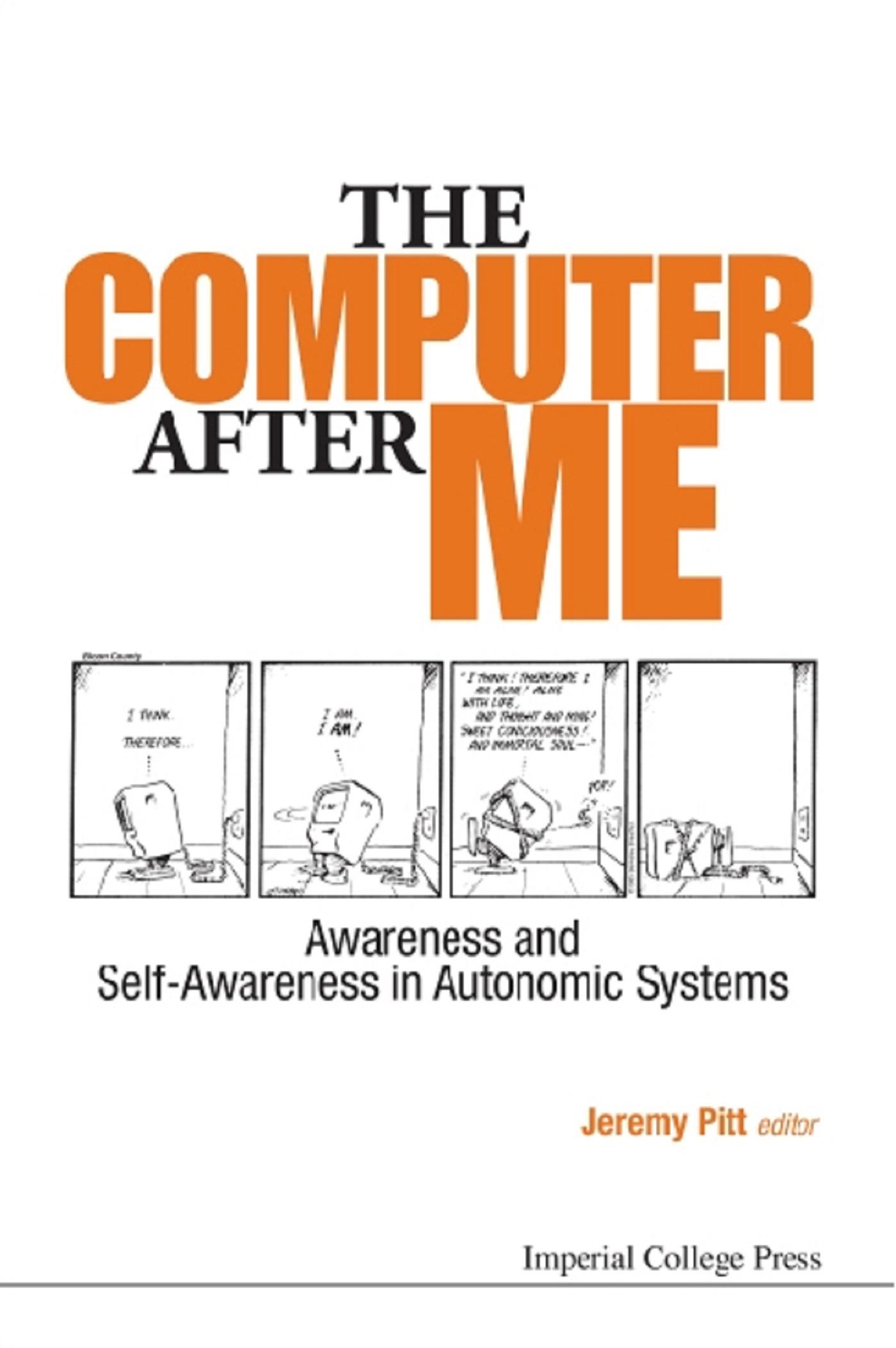
We are increasingly seeing computer systems which are expected to function without operator intervention. This is perhaps acceptable for running computer networks or traffic lights; however, we are now seeing computer systems deployed to qualitatively influence human judgments such as rulings on legal disputes or fitness for work to evaluate disability benefits. In keeping with the precautionary principle, it is important that those who are developing this capability — technologists and scientists — think through its potential implications.The aim of this book is to explore the technological and social and implications of computers and robots becoming increasingly ‘aware’ of their environment and the people in it, and their being increasingly ‘self-aware’ of their own existence within it.The wide-ranging scope of the text covers three different angles of the concept of ‘the computer after me’: (1) the next generation of computationally powerful aware systems; (2) systems in which the computer is aware of qualitatively impact human concerns such as law, health and rules; and (3) computers and robots which are aware of themselves.
Betaal eenvoudig met kaart, Klarna, Apple Pay of Google Pay. Niet tevreden? Je hebt altijd 14 dagen bedenktijd. Lees meer in onze voorwaarden. Heb je vragen, mail ons dan via hello@memmo.org.
Memmo maakt studeren makkelijker – waar je ook bent ter wereld. Wij brengen je cursusboeken en slimme studietools samen op één plek: samenvattingen, quizzen, podcasts en flashcards. En Ted, je studievriend die antwoord geeft op alles wat je je afvraagt. Meer dan 50.000 studenten studeren hier al – gebouwd om je sneller te laten leren en minder stress te geven.
Misschien vind je dit ook leuk
Koop het boek0