
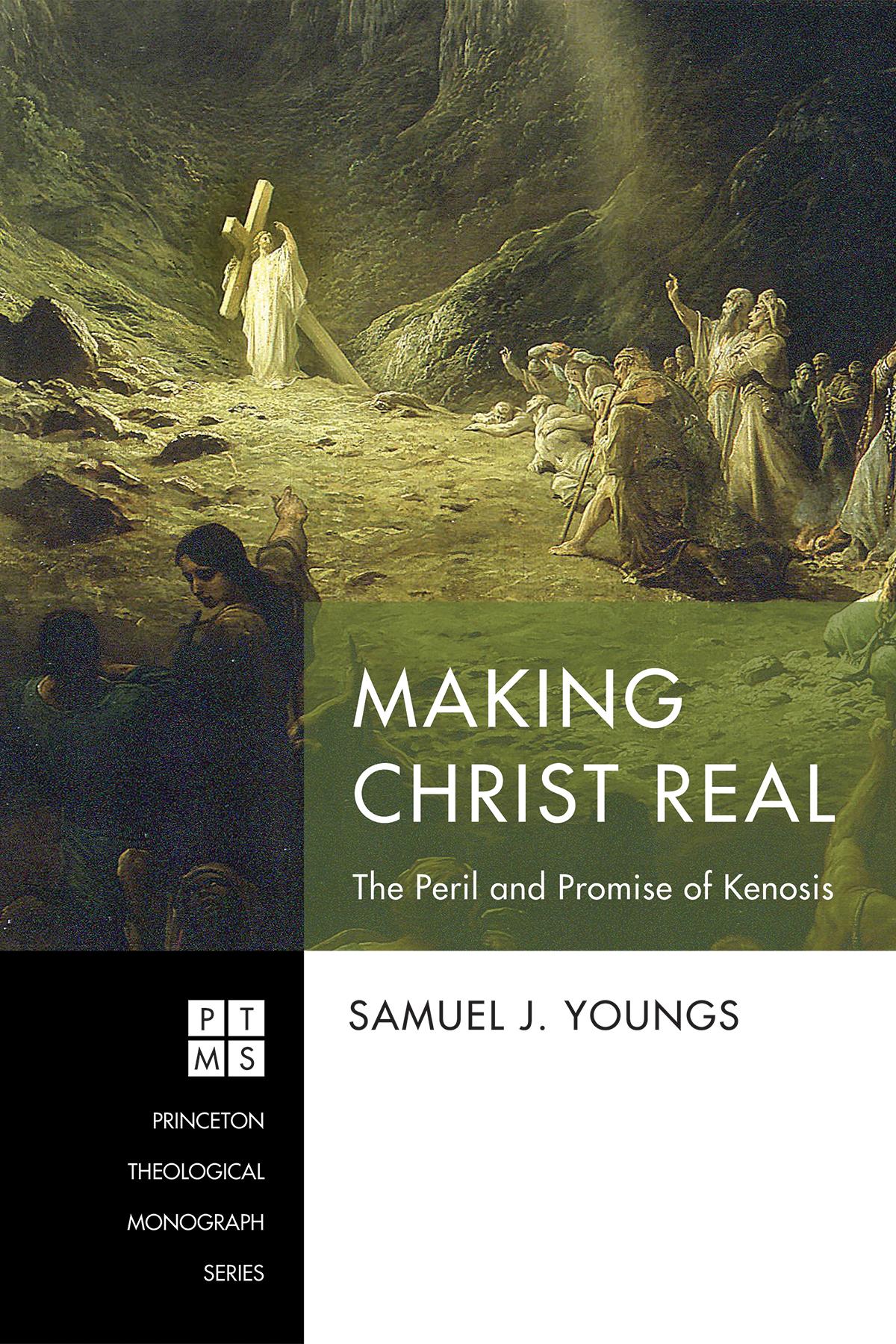
Kenosis, or self-emptying, poses a fundamental question to any theological discussion about Jesus Christ: "In becoming human, did God empty himself of any divine qualities?" Many variations on kenotic Christology have emerged over the past 200 years, most of them claiming to both preserve and highlight the true humanity and ecclesial significance of Jesus Christ.
While there is much to commend in these efforts, Samuel Youngs contends that nearly all such kenotic attempts have, against their best intentions, fallen into an echo chamber of abstraction and metaphor, rendering their talk about Jesus Christ and analysis of the Gospels fundamentally "unreal" and lacking in material significance for today's living church. Most fundamentally, many kenotic accounts pay inadequate attention to Christ's lived accomplishment, his current presence, and the modes of praxis that he makes real in the world.
In dialogue with the important movement known as Transformation Theology, Youngs unfolds a detailed critique of method and discourse in kenotic christologies. Turning then to the vibrant christological thought of Jurgen Moltmann, a different outlook on kenosis is articulated and defended, one that is relational, concrete, and praxiological.
Betaal eenvoudig met kaart, Klarna, Apple Pay of Google Pay. Niet tevreden? Je hebt altijd 14 dagen bedenktijd. Lees meer in onze voorwaarden. Heb je vragen, mail ons dan via hello@memmo.org.
Memmo maakt studeren makkelijker – waar je ook bent ter wereld. Wij brengen je cursusboeken en slimme studietools samen op één plek: samenvattingen, quizzen, podcasts en flashcards. En Ted, je studievriend die antwoord geeft op alles wat je je afvraagt. Meer dan 50.000 studenten studeren hier al – gebouwd om je sneller te laten leren en minder stress te geven.
Misschien vind je dit ook leuk
Koop het boek0