
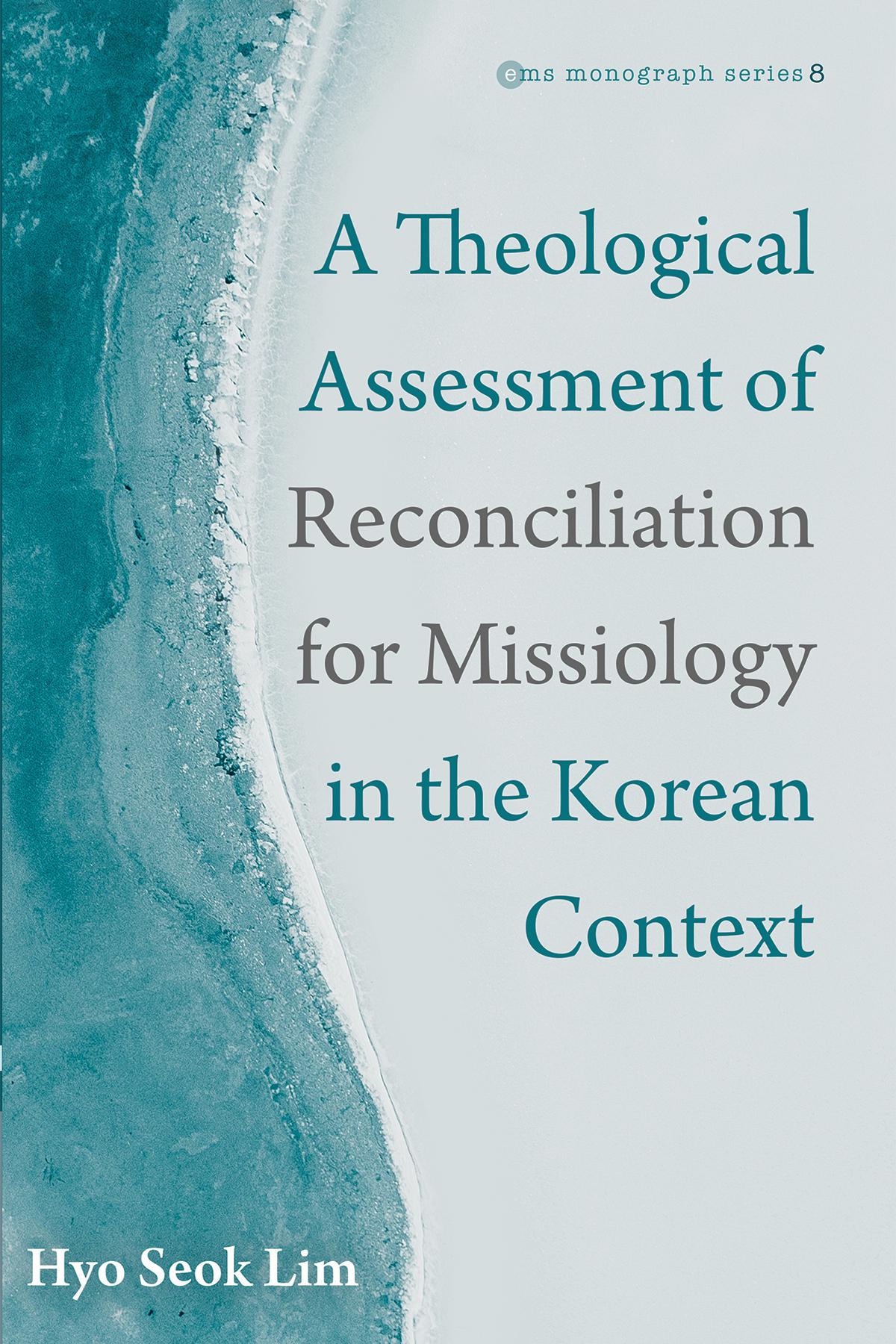
Any Christian who lives in such a broken world may ask God what their role would be as the person who is reconciled with God, and about the implications of the vertical dimension of reconciliation. Many would agree that the vertical and horizontal dimensions of reconciliation should not be separated. It is, however, still necessary to examine further. For instance, what does the inseparableness of the two dimensions actually mean--in theory and practice? How does the vertical dimension of reconciliation become the source and foundation of the horizontal dimension? How should the church maintain its theology of reconciliation, which includes both dimensions? All these questions point to an underlying question: what is the relationship between the vertical and horizontal dimensions of reconciliation? This book explores this question, interacting with the four thinkers and practitioners of reconciliation, Karl Barth, Miroslav Volf, Son Yang-Won, and Desmond Tutu, and assessing the theology of a leading theologian in the discourse of mission as reconciliation, Robert Schreiter. Based on the discussions, it presents a proposal for a more wholesome and robust understanding of reconciliation for the discourse in mission studies, which can be applied to any broken context, including the Korean peninsula.
Betaal eenvoudig met kaart, Klarna, Apple Pay of Google Pay. Niet tevreden? Je hebt altijd 14 dagen bedenktijd. Lees meer in onze voorwaarden. Heb je vragen, mail ons dan via hello@memmo.org.
Memmo maakt studeren makkelijker – waar je ook bent ter wereld. Wij brengen je cursusboeken en slimme studietools samen op één plek: samenvattingen, quizzen, podcasts en flashcards. En Ted, je studievriend die antwoord geeft op alles wat je je afvraagt. Meer dan 50.000 studenten studeren hier al – gebouwd om je sneller te laten leren en minder stress te geven.
Misschien vind je dit ook leuk
Koop het boek0