
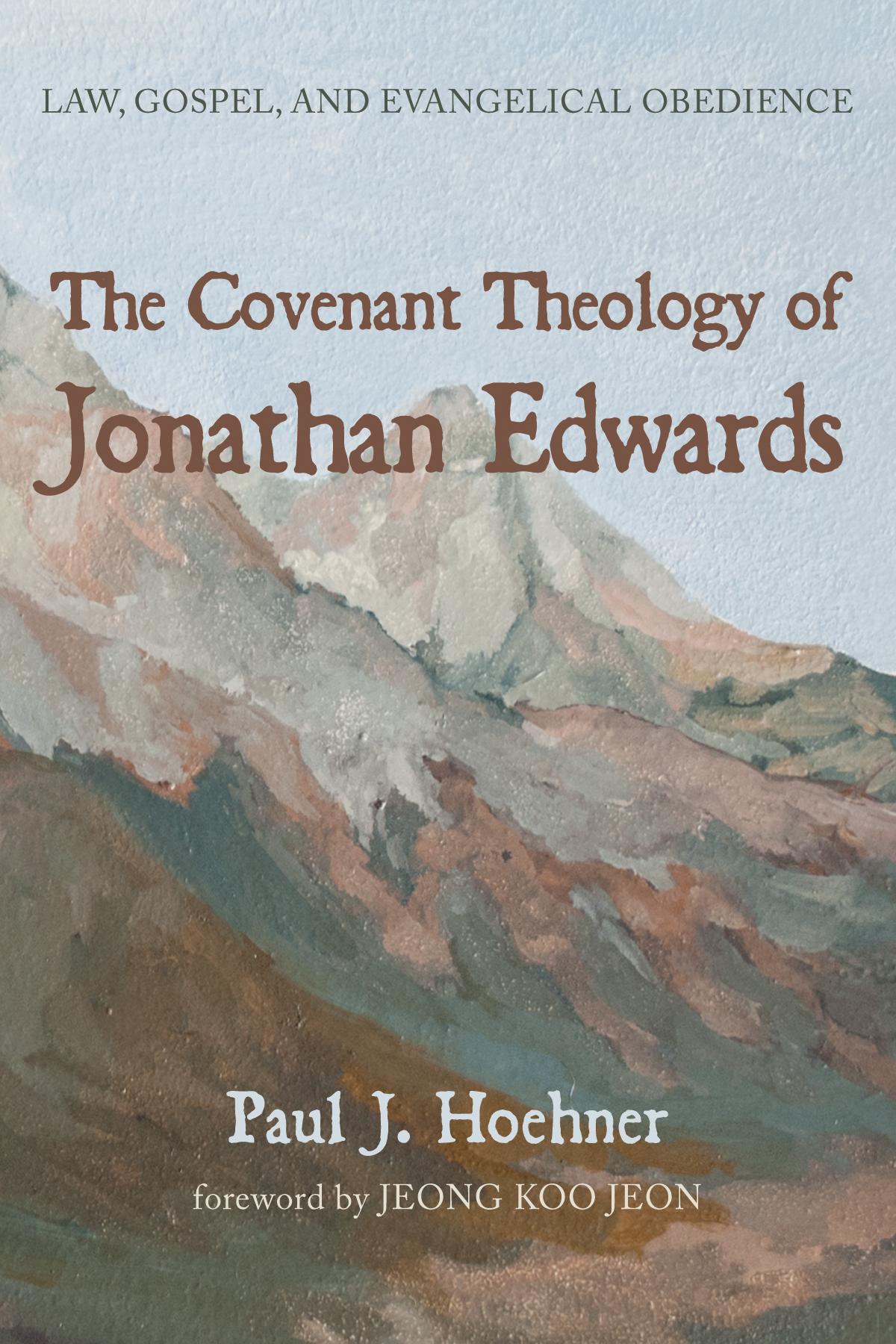
As a theologian in the Reformed tradition, covenant theology was for Jonathan Edwards the internal scaffolding that gave shape to the biblical story of redemption. The establishment of the eternal rule of righteousness as the basis of the believer's communion with God and eternal happiness is a central theme beginning with the Covenant of Works, grounded in the eternal Covenant of Redemption, and culminating in the Covenant of Grace. It is the basis for the law-gospel distinction in Edwards and the early architects of federal theology. For the "God intoxicated" New England Puritan preacher, this was no dry academic exercise. Rather, it was a joyous and affectionate discovery and embrace of what God had ordained in eternity, what Christ accomplished in history on the cross, and what the Holy Spirit is doing and will complete in the church.
This study grew out of current discussions in Reformed scholarship questioning aspects of traditional covenant theology. As a key transitional figure in the history of Reformed theology, Edwards's thinking is still relevant. The richness and depth of Edwards's vision of redemptive history provides a clear and comprehensive understanding of his Reformed soteriology and the role of evangelical obedience in justification.
Betaal eenvoudig met kaart, Klarna, Apple Pay of Google Pay. Niet tevreden? Je hebt altijd 14 dagen bedenktijd. Lees meer in onze voorwaarden. Heb je vragen, mail ons dan via hello@memmo.org.
Memmo maakt studeren makkelijker – waar je ook bent ter wereld. Wij brengen je cursusboeken en slimme studietools samen op één plek: samenvattingen, quizzen, podcasts en flashcards. En Ted, je studievriend die antwoord geeft op alles wat je je afvraagt. Meer dan 50.000 studenten studeren hier al – gebouwd om je sneller te laten leren en minder stress te geven.
Misschien vind je dit ook leuk
Koop het boek0