
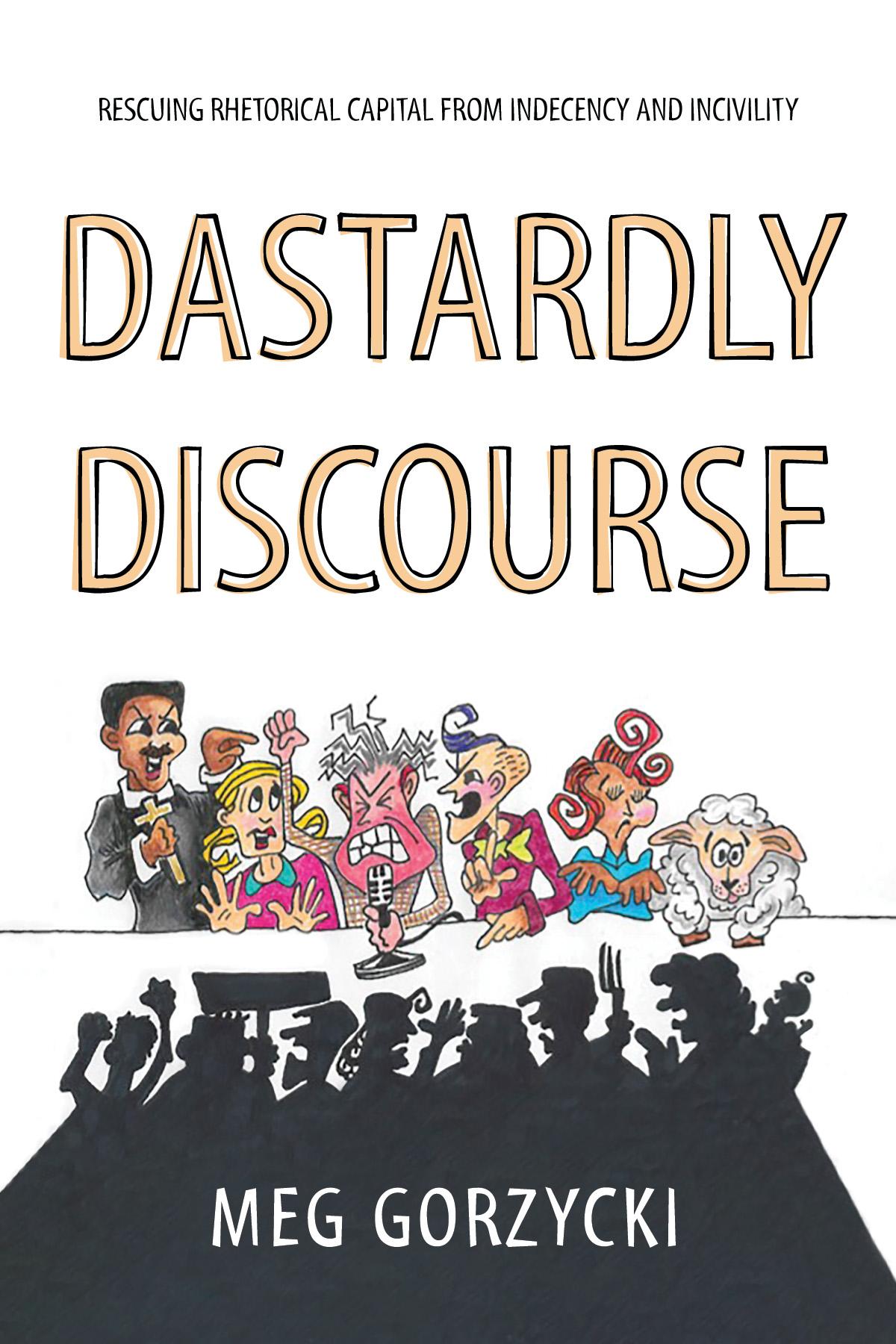
Screaming at the television, compulsively firing off tart little tweets, and blogging until we are blue; these signal that we are feeling the effects of dastardly discourse. We live in a world where people feel entitled to use words to hurt, exploit, and publicly degrade humanity. We daily consume rhetoric that makes a mockery of decency and civility. Leaders of key social institutions, including government, news media, and religious organizations, who are supposed to be role models of reasoned and compassionate communication are often the ones with the loudest lies and the hardest hate.
We can change the channel. We can unplug. We can even encourage others to do the same. We may not do so, however, until we grasp what is fundamentally at risk in our current norms of communication. Nasty words are just the tip of the dastardly discourse iceberg. What lies beneath is a steady flow of propaganda that aims to control our personal narratives. This book is about that propaganda, the importance of owning our own narratives, and improving our own rhetorical capital--the ability to analyze and evaluate information--for the sake of sustaining human dignity, decency, and civility.
Betaal eenvoudig met kaart, Klarna, Apple Pay of Google Pay. Niet tevreden? Je hebt altijd 14 dagen bedenktijd. Lees meer in onze voorwaarden. Heb je vragen, mail ons dan via hello@memmo.org.
Memmo maakt studeren makkelijker – waar je ook bent ter wereld. Wij brengen je cursusboeken en slimme studietools samen op één plek: samenvattingen, quizzen, podcasts en flashcards. En Ted, je studievriend die antwoord geeft op alles wat je je afvraagt. Meer dan 50.000 studenten studeren hier al – gebouwd om je sneller te laten leren en minder stress te geven.
Misschien vind je dit ook leuk
Koop het boek0