
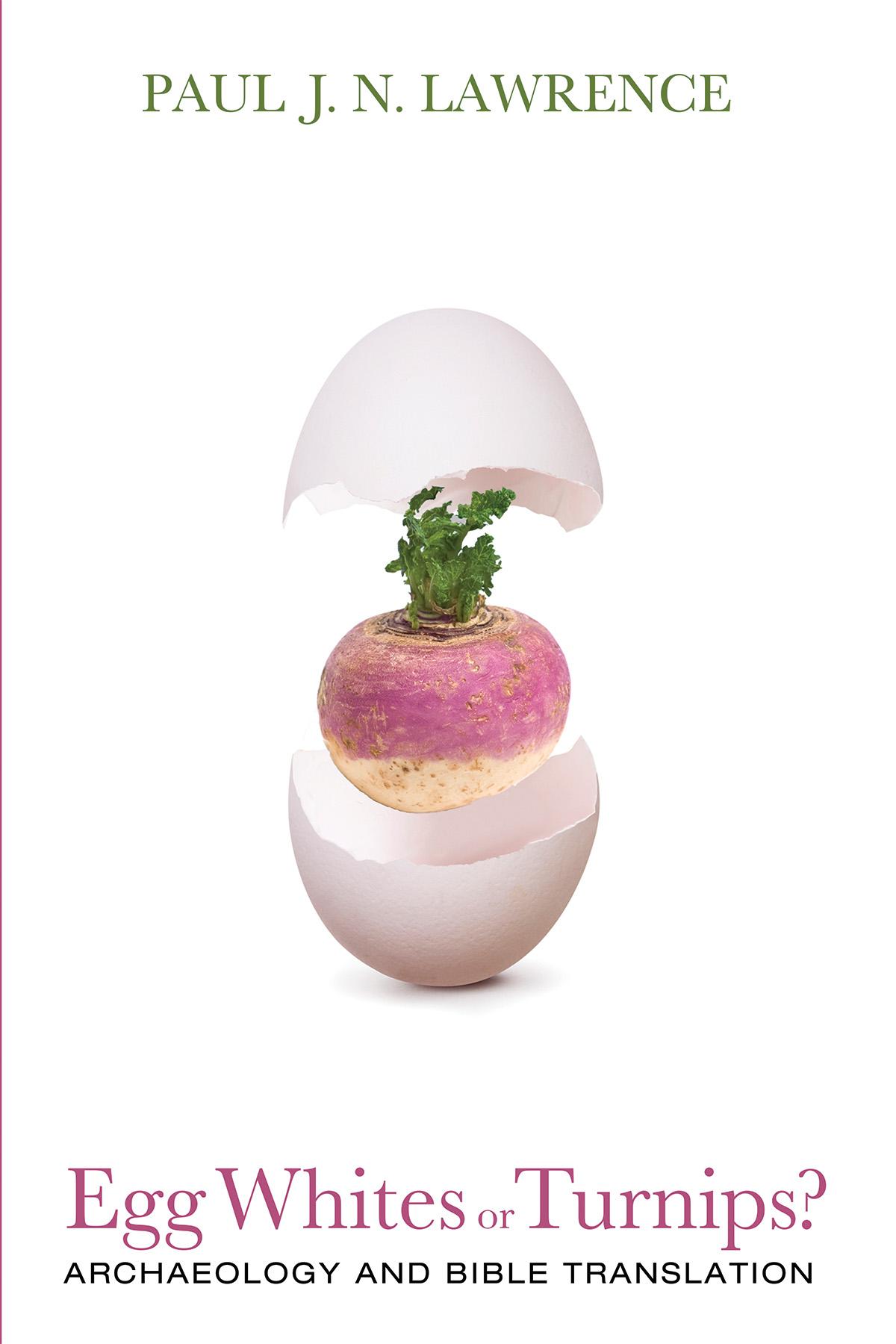
Why are Bible translations so different from each other in places? Don't Bible translators know whether it was peacocks or baboons that King Solomon brought into Israel? Why has "sapphire" been replaced by "lapis lazuli" in some more modern versions? What animal provided the leather for the tabernacle? A badger? A sea cow? Or did the term in question simply mean "leather"?
Can archaeology tell us what David's harp looked like? What is the evidence for leprosy in Bible times? Is there evidence for cotton, silk, and chickens at the time of the Bible?
Answers to these and many other questions are given in this book.
But how are such questions to be answered? Essentially the answer is "from the ground"--what can be called "archaeology." This book explores how, over the past two centuries, archaeology has shed its light on the text of the Bible.
Pagina's: 178
Categorie: Arkeologi & Antikvetenskap
e-ISBN: 9781725260368
Verzendgewicht: 1.2 kg
Verzending binnen: 1-2 dagen
Betaal eenvoudig met kaart, Klarna, Apple Pay of Google Pay. Niet tevreden? Je hebt altijd 14 dagen bedenktijd. Lees meer in onze voorwaarden. Heb je vragen, mail ons dan via hello@memmo.org.
Memmo maakt studeren makkelijker – waar je ook bent ter wereld. Wij brengen je cursusboeken en slimme studietools samen op één plek: samenvattingen, quizzen, podcasts en flashcards. En Ted, je studievriend die antwoord geeft op alles wat je je afvraagt. Meer dan 50.000 studenten studeren hier al – gebouwd om je sneller te laten leren en minder stress te geven.
Misschien vind je dit ook leuk
Koop het boek0