
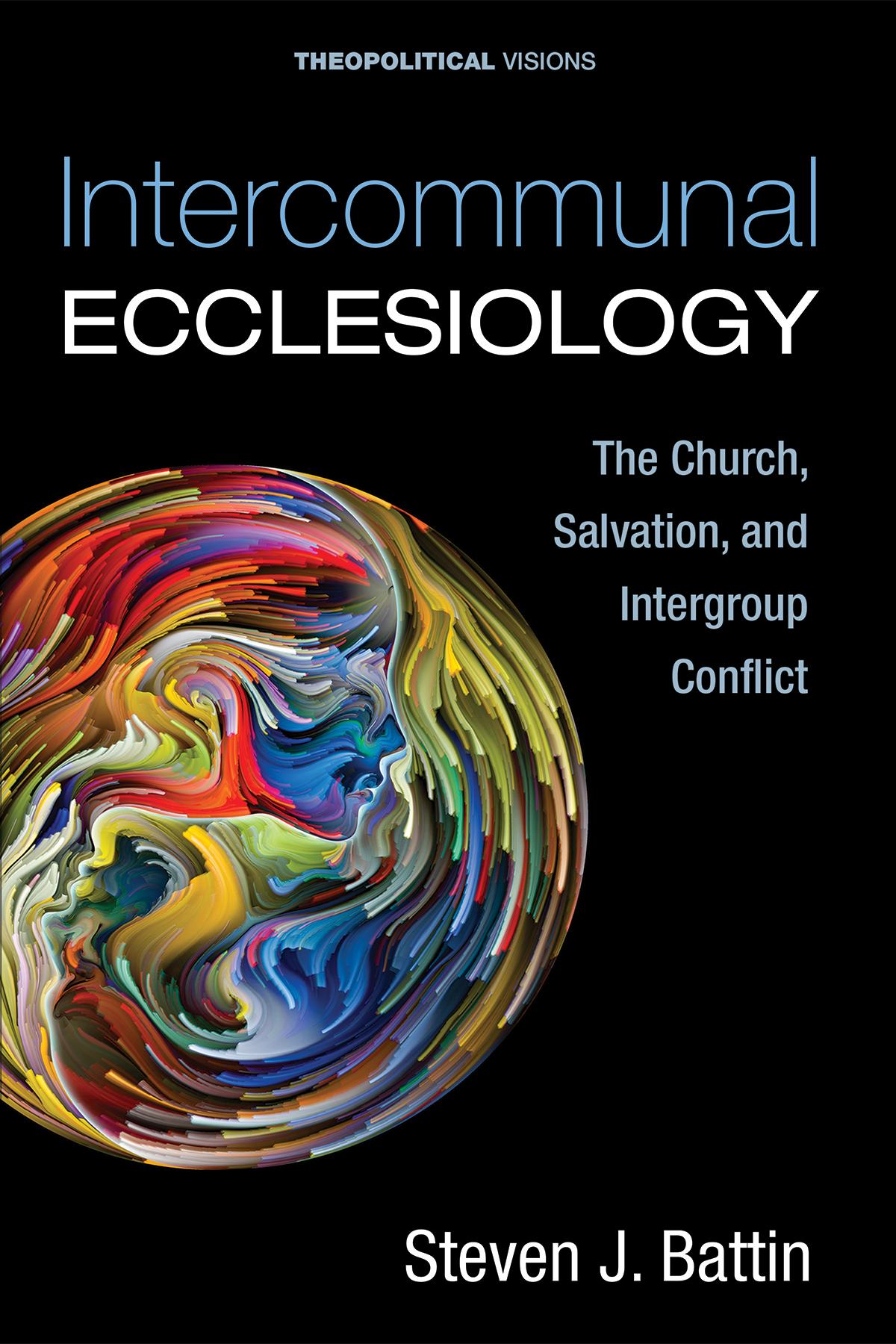
What do Christian communities imagine when they think of themselves as "church"? And how do these ecclesiological imaginations inform Christianity's past and present entanglements with violence and injustice? Intercommunal Ecclesiology addresses these questions by examining the distinctive role intergroup dynamics play in shaping Christian collective behaviors against the "other" that are incongruent with Christian theological principles, such as love of neighbor. Through interdisciplinary engagement with social psychology, systems theory, biblical criticism, and studies in the early history of Christianity, this book makes a case for a theological re-envisioning of the church at the three-way intersection of an anthropology of intergroup dynamics, a soteriology adequately rooted in God's historical salvation plan, and a Christology sensitive to Christ's collective embodiment. The book argues that within God's plan of historical salvation, the church is supposed to function as God's communal response to intercommunal disunity, a role it fulfills with integrity only when and where it enacts itself as a counterperformance to aggression, conflict, and indifference between human communities.
Betaal eenvoudig met kaart, Klarna, Apple Pay of Google Pay. Niet tevreden? Je hebt altijd 14 dagen bedenktijd. Lees meer in onze voorwaarden. Heb je vragen, mail ons dan via hello@memmo.org.
Memmo maakt studeren makkelijker – waar je ook bent ter wereld. Wij brengen je cursusboeken en slimme studietools samen op één plek: samenvattingen, quizzen, podcasts en flashcards. En Ted, je studievriend die antwoord geeft op alles wat je je afvraagt. Meer dan 50.000 studenten studeren hier al – gebouwd om je sneller te laten leren en minder stress te geven.
Misschien vind je dit ook leuk
Koop het boek0