
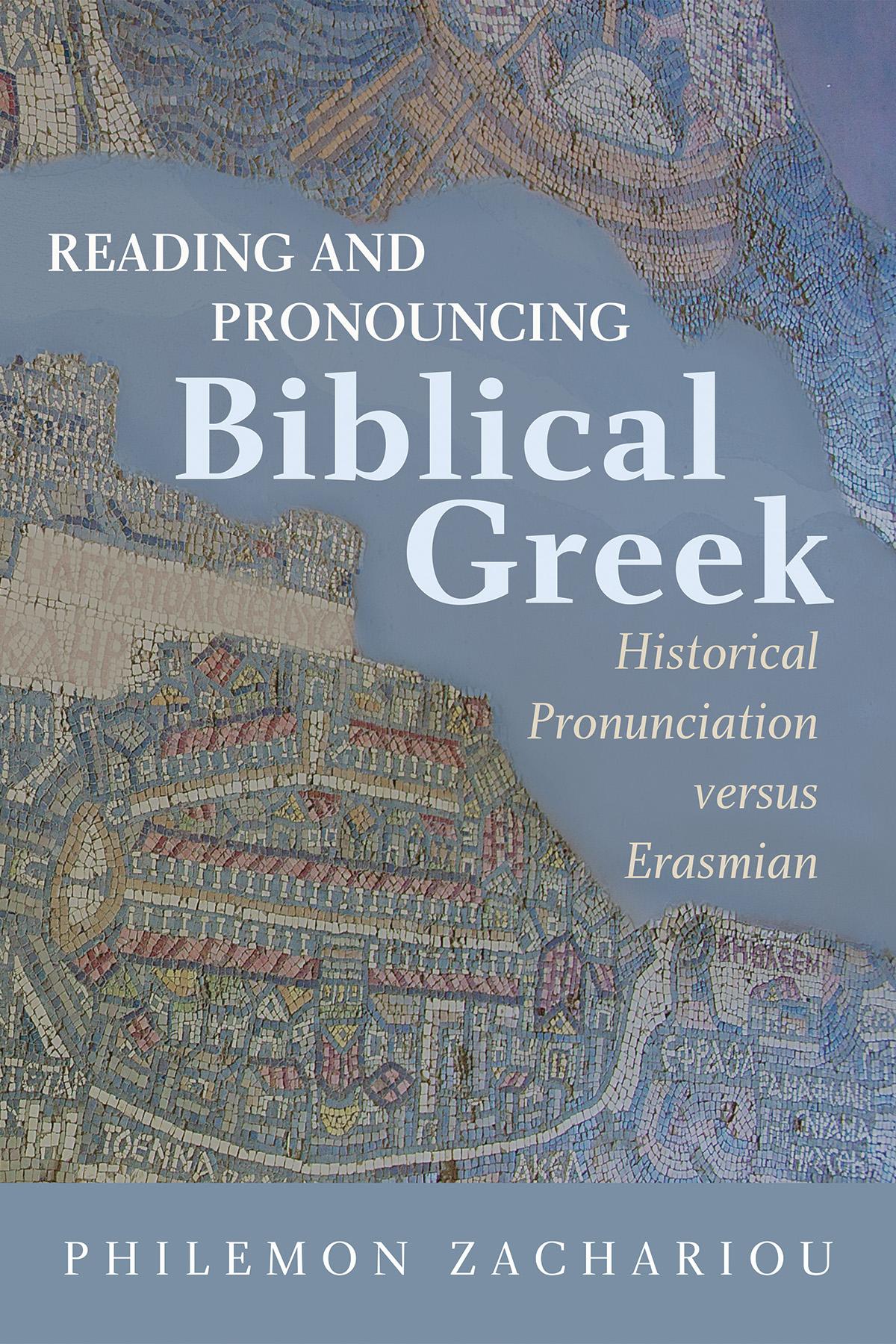
This book invites you to see not only how Hellenistic Koine ought to be pronounced but also why. Rigorously investigating the history of Greek orthography and sounds from classical times to the present, the author places linguistic findings on one side of the scale and related events on the other. The result is a balance between the evidence of the historical Greek sounds in Koine and pre-Koine times, and the political events that derailed those sounds as they were being transported through Europe's Renaissance academia and replaced them with Erasmian.
This book argues for a return to the historical Greek sounds now preserved in Neohellenic (Modern Greek) as a step toward mending the Erasmian dichotomy that rendered post-Koine Greek irrelevant to New Testament Greek studies. The goal is a holistic and diachronic application of the Hellenic language and literature to illume exegetically the Greek text, as the New Testament contains numerous features that have close affinity with Neohellenic and should not be left unexplored.
Betaal eenvoudig met kaart, Klarna, Apple Pay of Google Pay. Niet tevreden? Je hebt altijd 14 dagen bedenktijd. Lees meer in onze voorwaarden. Heb je vragen, mail ons dan via hello@memmo.org.
Memmo maakt studeren makkelijker – waar je ook bent ter wereld. Wij brengen je cursusboeken en slimme studietools samen op één plek: samenvattingen, quizzen, podcasts en flashcards. En Ted, je studievriend die antwoord geeft op alles wat je je afvraagt. Meer dan 50.000 studenten studeren hier al – gebouwd om je sneller te laten leren en minder stress te geven.
Misschien vind je dit ook leuk
Koop het boek0