
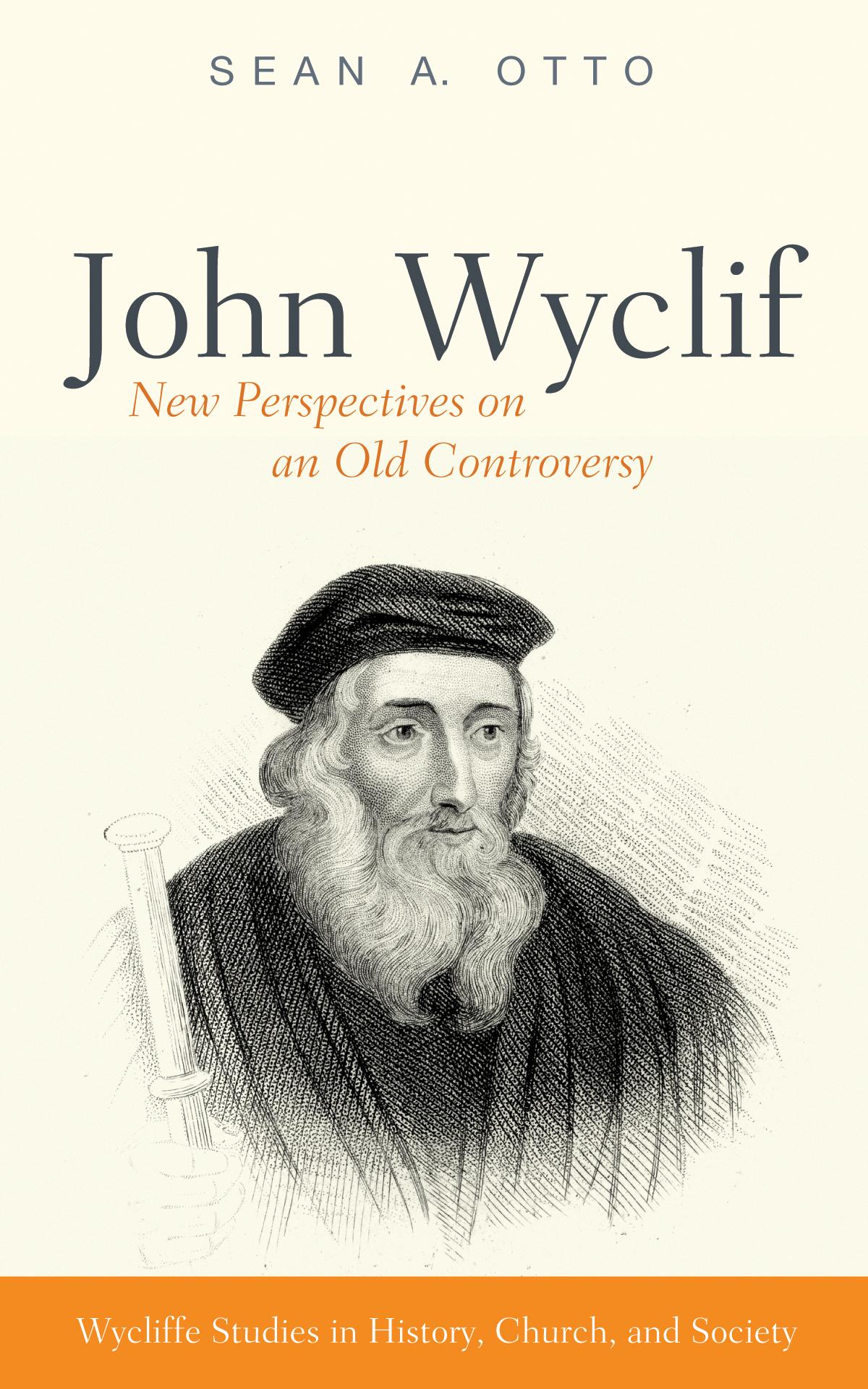
John Wyclif has been a controversial figure since his own time, often dividing opinion between devoted followers and intransigent opponents. In the fifteenth and sixteenth centuries, there was already a developing mythos about him, and he was variously used as a symbol of heretical depravity or of valorous defense of the gospel. The Reformation calcified opinions, and the two subsequent centuries did not see much development. The nineteenth century marked the beginning of important changes in scholarly opinion, with confessional approaches weakening and giving way to greater objectivity. This trend was strengthened by the emergence of a professional class of historians around the turn of the twentieth century, but the established confessional biases were not quickly done away with until the postwar period. Today, confessional mythmaking is gone and the goal is no longer to show why one particular branch of Christianity is correct, but to present as accurate a picture as possible of the past. As the concerns of the twentieth century give way to those of the twenty-first, it is encouraging that there are still new things to be learned about the past, new ways of seeing and engaging, even with figures so well studied as Wyclif.
Betaal eenvoudig met kaart, Klarna, Apple Pay of Google Pay. Niet tevreden? Je hebt altijd 14 dagen bedenktijd. Lees meer in onze voorwaarden. Heb je vragen, mail ons dan via hello@memmo.org.
Memmo maakt studeren makkelijker – waar je ook bent ter wereld. Wij brengen je cursusboeken en slimme studietools samen op één plek: samenvattingen, quizzen, podcasts en flashcards. En Ted, je studievriend die antwoord geeft op alles wat je je afvraagt. Meer dan 50.000 studenten studeren hier al – gebouwd om je sneller te laten leren en minder stress te geven.
Misschien vind je dit ook leuk
Koop het boek0