
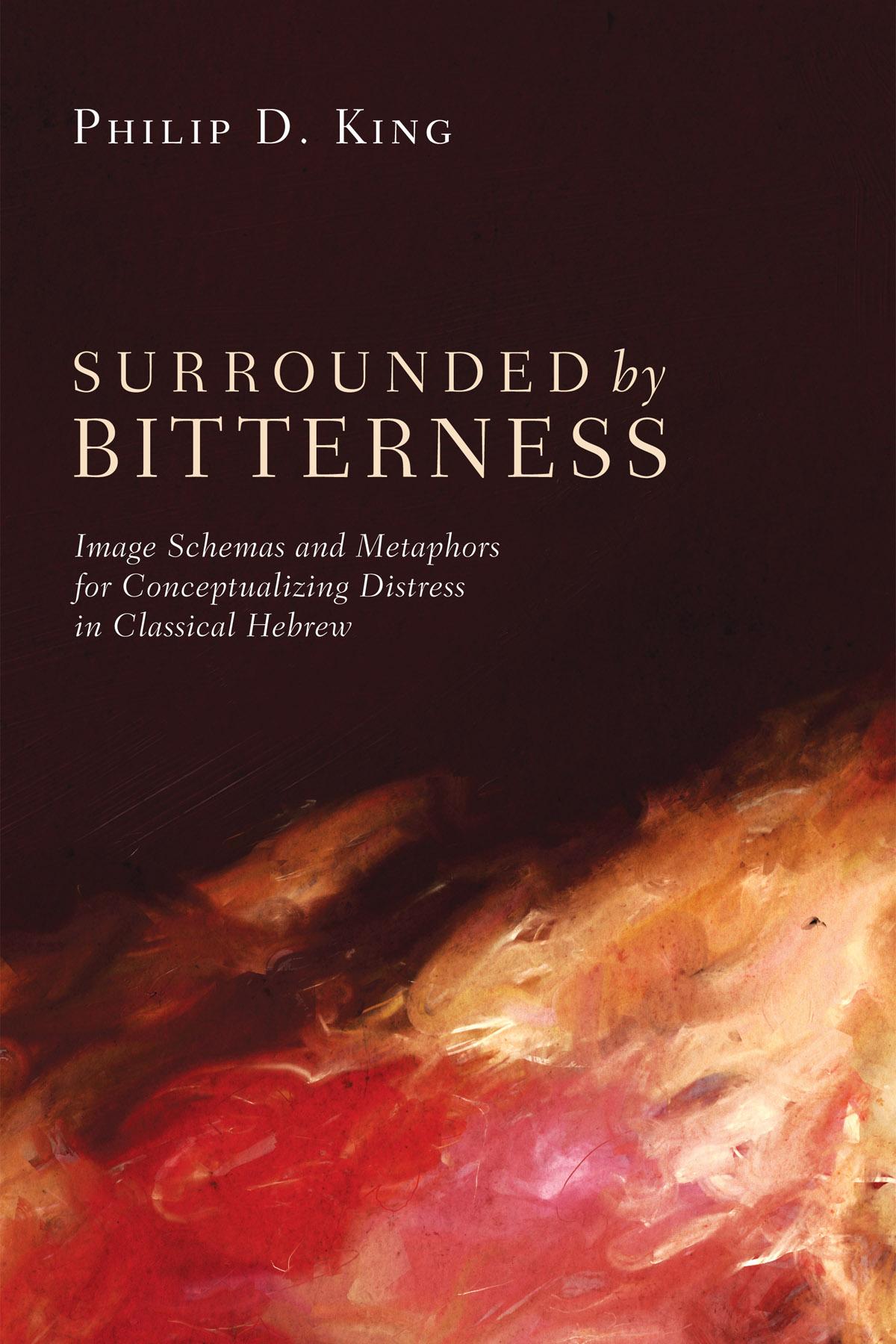
How did the ancient Hebrew writers understand their emotional experiences of being in distress? Were their feelings similar to those of an English speaker who feels down, or were there other embodied experiences they used to make sense of physical, social, and emotional distress? This research establishes a cognitive linguistic methodology for addressing these questions, and investigates the use of embodied experiences of VERTICALITY, CONSTRAINT, FORCE, DARKNESS, and BAD TASTE in the conventional language of classical Hebrew lament to understand and reason about situations of distress.
Betaal eenvoudig met kaart, Klarna, Apple Pay of Google Pay. Niet tevreden? Je hebt altijd 14 dagen bedenktijd. Lees meer in onze voorwaarden. Heb je vragen, mail ons dan via hello@memmo.org.
Memmo maakt studeren makkelijker – waar je ook bent ter wereld. Wij brengen je cursusboeken en slimme studietools samen op één plek: samenvattingen, quizzen, podcasts en flashcards. En Ted, je studievriend die antwoord geeft op alles wat je je afvraagt. Meer dan 50.000 studenten studeren hier al – gebouwd om je sneller te laten leren en minder stress te geven.
Misschien vind je dit ook leuk
Koop het boek0