
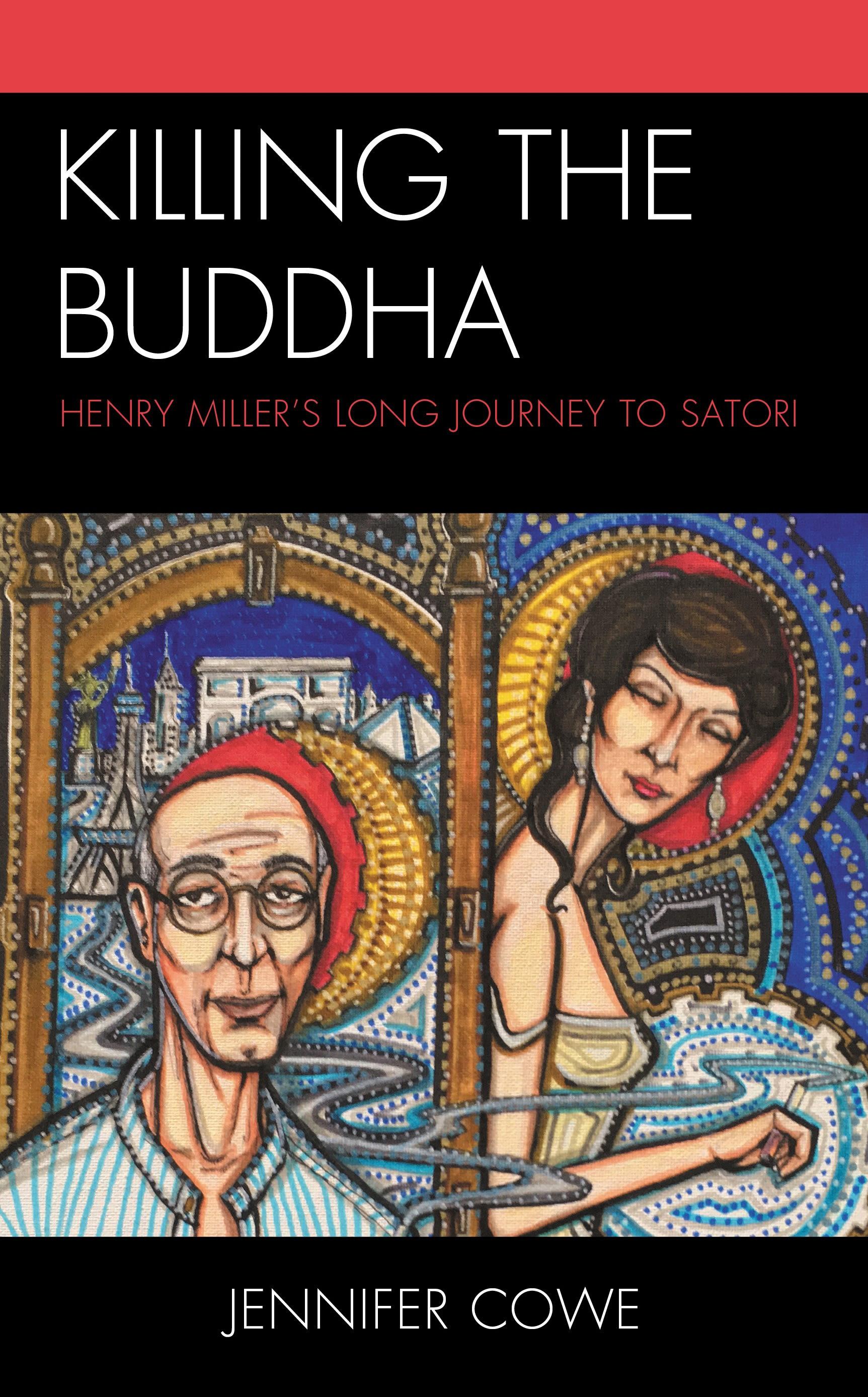
Incorporating the novels, pamphlets and letters of Henry Miller, Killing the Buddha argues for Miller’s written work to be considered as a whole in relation to the theme of Zen Buddhism, specifically the concept of Satori (awakening). By reading Miller’s literary output and letters as a spiritual journey to awakening, it is possible to chart his development as a writer, and offer insight into his repetitive use of biographical material. Reflecting upon the influence of Otto Rank and Henri Bergson on Miller’s conceptualization of the role of the writer, and then by examining his complex rejection of Surrealism, it is possible to show Miller’s burgeoning Zen Buddhism as a life-long quest for acceptance and authenticity explicitly explored within his work. With close readings of the ‘Obelisk Trilogy’ of the 1930s (Tropic of Cancer, Tropic of Capricorn and Black Spring) and The Rosy Crucifixion Trilogy (1949-1960), Miller’s complex journey to Satori is shown as a continuous progression from his early notorious novels through to the essays and pamphlets of his later career.
Betaal eenvoudig met kaart, Klarna, Apple Pay of Google Pay. Niet tevreden? Je hebt altijd 14 dagen bedenktijd. Lees meer in onze voorwaarden. Heb je vragen, mail ons dan via hello@memmo.org.
Memmo maakt studeren makkelijker – waar je ook bent ter wereld. Wij brengen je cursusboeken en slimme studietools samen op één plek: samenvattingen, quizzen, podcasts en flashcards. En Ted, je studievriend die antwoord geeft op alles wat je je afvraagt. Meer dan 50.000 studenten studeren hier al – gebouwd om je sneller te laten leren en minder stress te geven.