
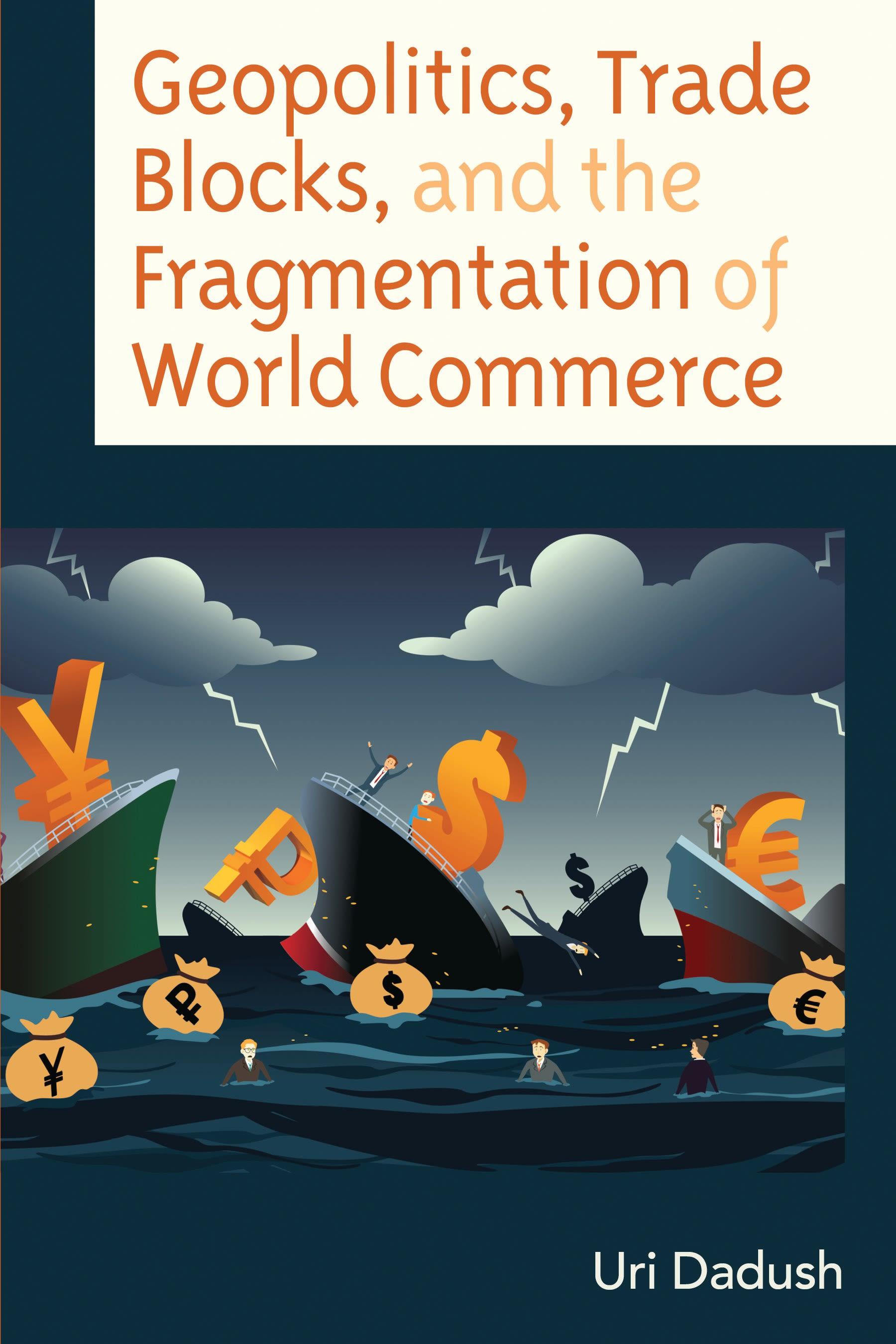
The global economic edifice built after World War II is a source of unprecedented prosperity. It cannot function without open and predictable international trade, and the peaceful international relations that are its foundation. The rules that enable trade are under attack. Social divisions and great power rivalry have eroded the political support for open trade. The consequence is fragmentation of world trade, its separation into blocks that advance domestic producers or favored nations nearby. These blocs are themselves often pulled apart by competing agendas. The prospects are for vastly reduced economic efficiency and - most ominously - heightened geopolitical tensions. The questions about why this is happening, how economic fragmentation will evolve, and how to respond to it, are uppermost in the minds of policymakers and businesses across the world. These are the questions that Uri Dadush seeks to answer. Since the uncertainty cannot be dispelled, it must be better managed.
Betaal eenvoudig met kaart, Klarna, Apple Pay of Google Pay. Niet tevreden? Je hebt altijd 14 dagen bedenktijd. Lees meer in onze voorwaarden. Heb je vragen, mail ons dan via hello@memmo.org.
Memmo maakt studeren makkelijker – waar je ook bent ter wereld. Wij brengen je cursusboeken en slimme studietools samen op één plek: samenvattingen, quizzen, podcasts en flashcards. En Ted, je studievriend die antwoord geeft op alles wat je je afvraagt. Meer dan 50.000 studenten studeren hier al – gebouwd om je sneller te laten leren en minder stress te geven.