
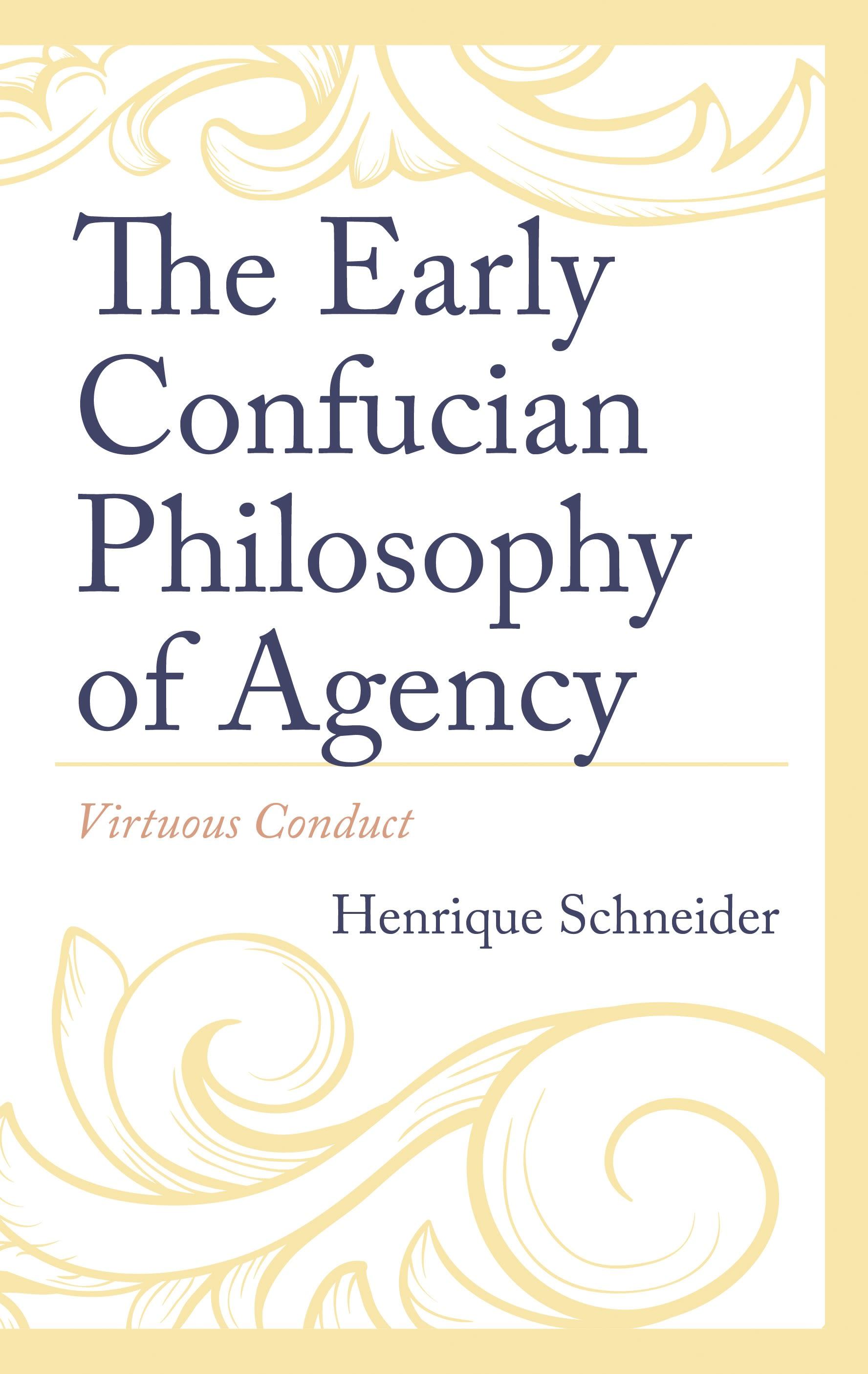
Henrique Schneider argues that understanding the three Early Confucian thinkers—Confucius, Mencius, and Xunzi—as virtue-ethicists, political philosophers, or social conservatives proves too narrow. Championing a broader and more philosophical reading, The Early Confucian Philosophy of Agency: Virtuous Conduct sheds new light on a well-established topic. Virtuous conduct—aligning actions and motivations with virtues, social roles, and rituals—is the philosophy of agency of Early Confucianism. Confucius, Mencius, and Xunzi share a common philosophy of agency, which does more than describe agents and acts: it also represents a progressive social and political program. Schneider characterizes Early Confucianism as a progressive philosophy due to its human-centered program for social reform, its process view of self-cultivation, and its development. Agents who cultivate themselves can produce virtuous conduct, flourish, and become Junzi. This lets them lead each other in self-cultivation, social environment, and polity. As such, virtuous conduct integrates ethics, social and political philosophy in a theory of action.
Betaal eenvoudig met kaart, Klarna, Apple Pay of Google Pay. Niet tevreden? Je hebt altijd 14 dagen bedenktijd. Lees meer in onze voorwaarden. Heb je vragen, mail ons dan via hello@memmo.org.
Memmo maakt studeren makkelijker – waar je ook bent ter wereld. Wij brengen je cursusboeken en slimme studietools samen op één plek: samenvattingen, quizzen, podcasts en flashcards. En Ted, je studievriend die antwoord geeft op alles wat je je afvraagt. Meer dan 50.000 studenten studeren hier al – gebouwd om je sneller te laten leren en minder stress te geven.