
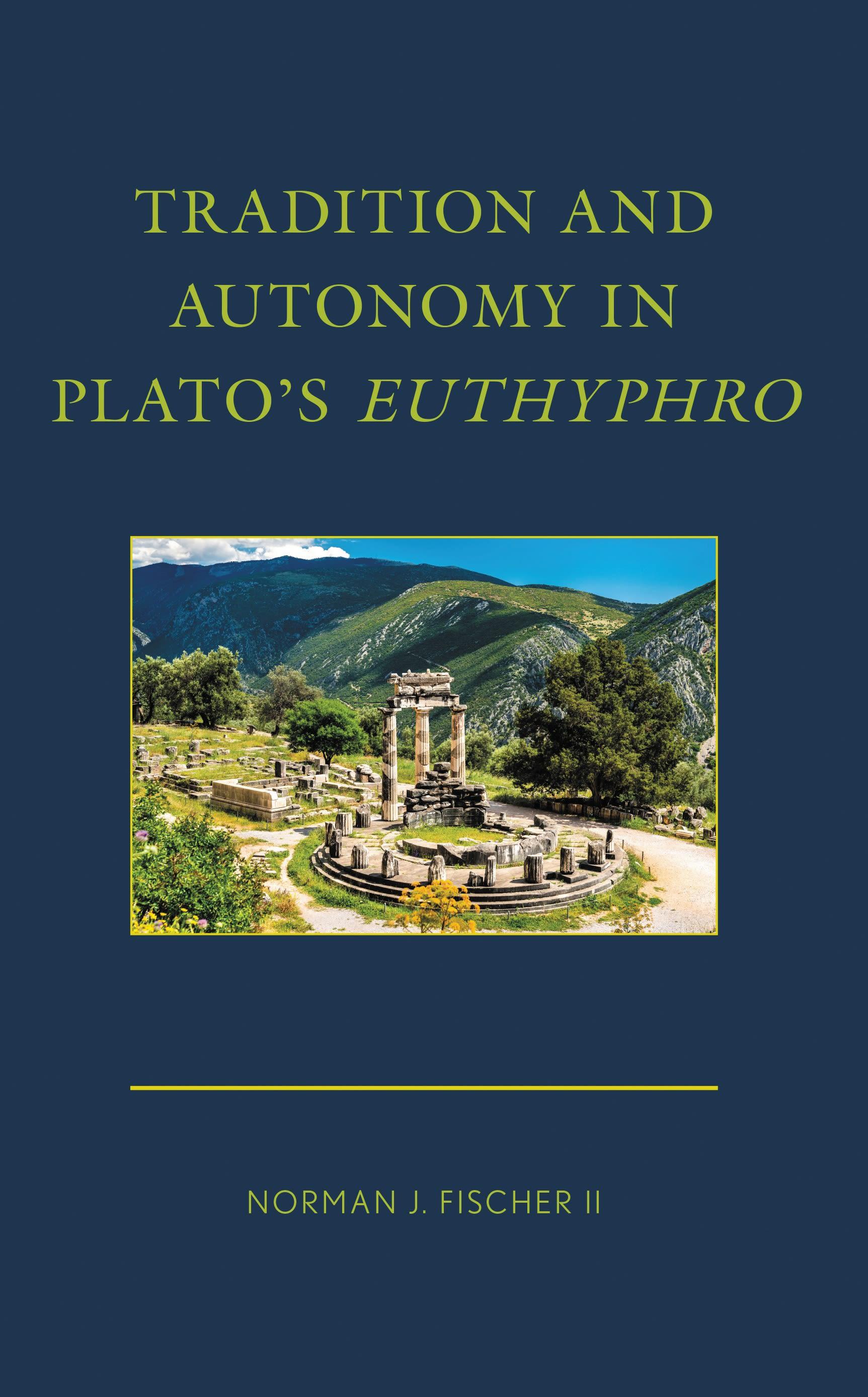
Tradition and Autonomy in Plato’s Euthyphro shows, through detailed commentary, that the purported opposition between tradition and autonomy is not a contradiction, but rather a necessary tension in human and political life. Norman J. Fischer II identifies the root of this tension and illuminates its various dimensions, giving an account of tradition and piety that does justice to the autonomy implicit in philosophical inquiry. This book demonstrates that the weakness in Euthyphro’s understanding of the relationship between generations is one of enmity and argues for a friendlier version of piety implicit in Socrates’ suggestions, actions, and arguments in the dialogue. Fischer argues that this version reveals an understanding of the human soul that both opposes that of Socrates’ accusers and sheds light upon the challenge that philosophy poses to the political community. In this reading, Plato’s Euthyphro is part of the defense of Socrates against the charges of impiety and corruption, one that puts into clearer relief both the common grounds of politics and philosophy and the tensions between political life and the life of the mind.
Betaal eenvoudig met kaart, Klarna, Apple Pay of Google Pay. Niet tevreden? Je hebt altijd 14 dagen bedenktijd. Lees meer in onze voorwaarden. Heb je vragen, mail ons dan via hello@memmo.org.
Memmo maakt studeren makkelijker – waar je ook bent ter wereld. Wij brengen je cursusboeken en slimme studietools samen op één plek: samenvattingen, quizzen, podcasts en flashcards. En Ted, je studievriend die antwoord geeft op alles wat je je afvraagt. Meer dan 50.000 studenten studeren hier al – gebouwd om je sneller te laten leren en minder stress te geven.