
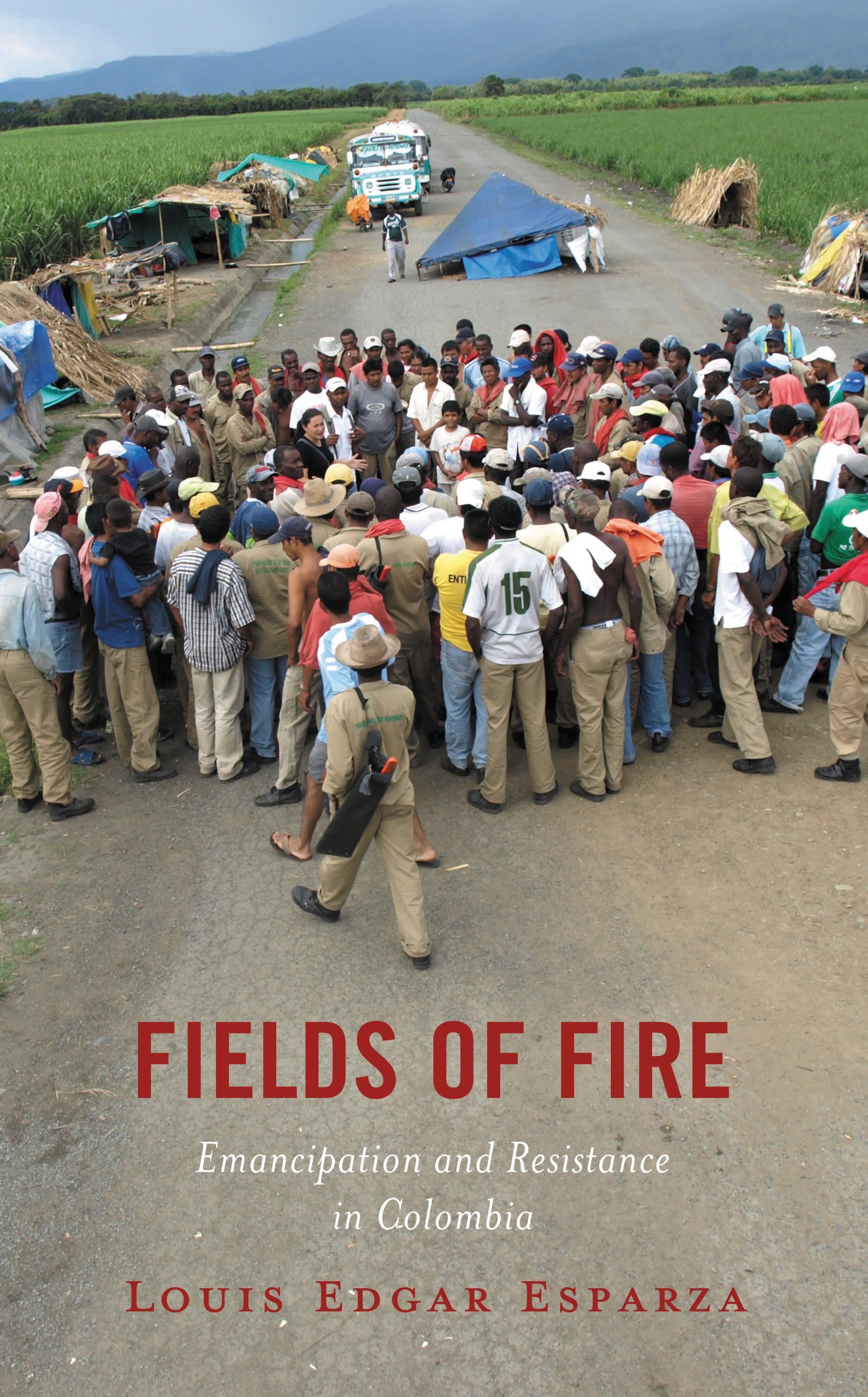
Fields of Fire: Emancipation and Resistance in Colombia identifies the concept of the emancipatory network as a coordination of loose, discrete, and differentiated actors to explain how activists successfully practice high-risk activism. Illustrating that previous studies on high-risk activism come to contradictory conclusions, Louis Edgar Esparza argues that networks rather than individual characteristics are associated with mobilization. The book features unique ethnographic material of a Colombian sugarcane worker strike and includes interviews with workers and human rights activists in Valle del Cauca and Bogotá that reveal different forms of knowledge that activists bring to a social movement. It argues that the combination of these different forms of knowledge bolsters the movement’s resiliency in the face of repression. The book provides a counterfactual chapter, illustrating a lack of mobilization where the emancipatory network is absent. Ultimately, it integrates English and Spanish-language social movement literatures, revealing important theoretical insights, and is detailed with data from various sources to outline the state context of social movement action.
Betaal eenvoudig met kaart, Klarna, Apple Pay of Google Pay. Niet tevreden? Je hebt altijd 14 dagen bedenktijd. Lees meer in onze voorwaarden. Heb je vragen, mail ons dan via hello@memmo.org.
Memmo maakt studeren makkelijker – waar je ook bent ter wereld. Wij brengen je cursusboeken en slimme studietools samen op één plek: samenvattingen, quizzen, podcasts en flashcards. En Ted, je studievriend die antwoord geeft op alles wat je je afvraagt. Meer dan 50.000 studenten studeren hier al – gebouwd om je sneller te laten leren en minder stress te geven.