
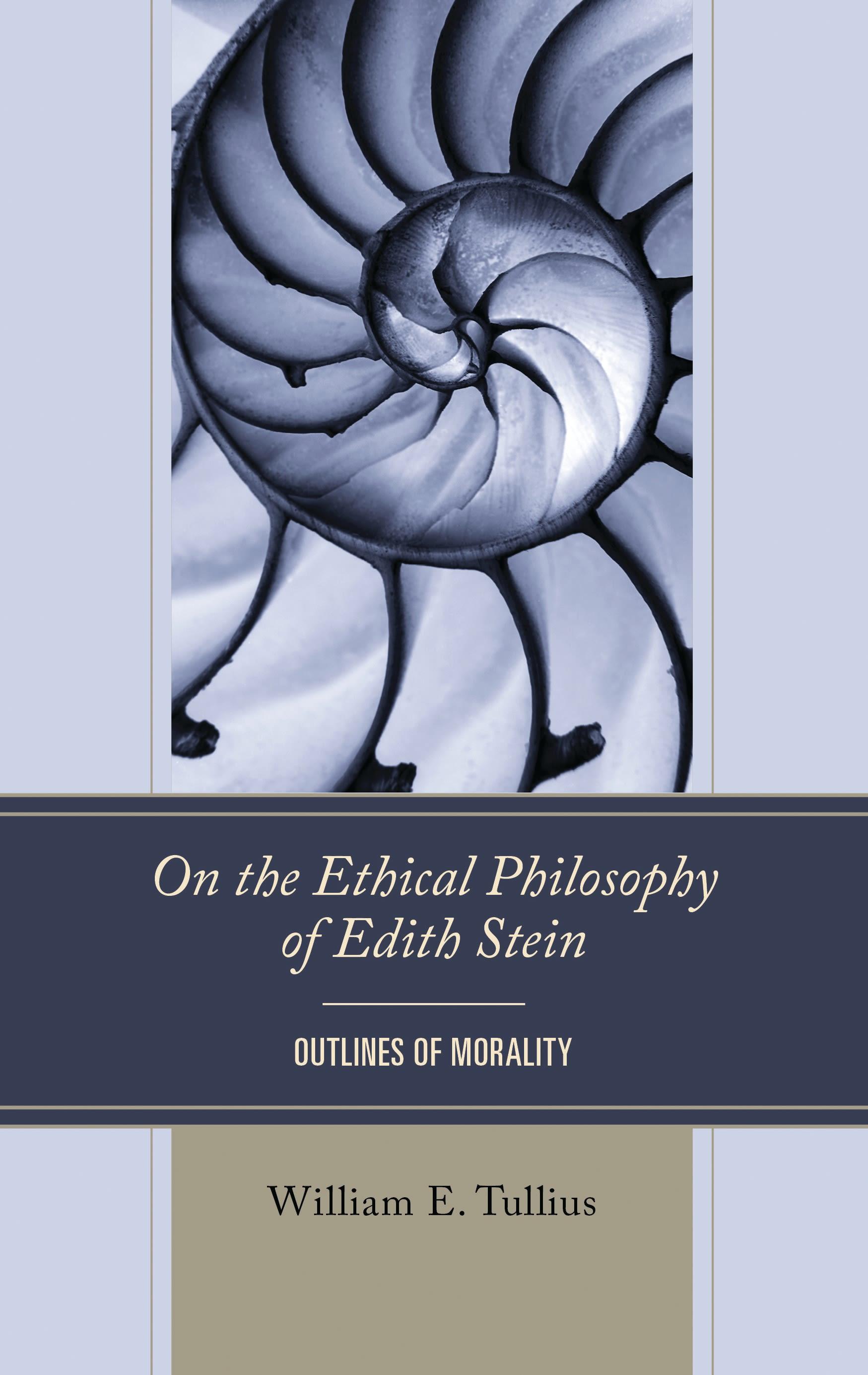
Although she never penned a text dedicated exclusively to ethics, Edith Stein’s work encompasses an implicit, but self-consciously developed, moral philosophy not yet sufficiently developed in the current English-language literature. However, comparison of Stein’s anthropological and metaphysical theories against the ethical philosophy of other early phenomenological thinkers, such as Max Scheler and Edmund Husserl, reveals lines of moral theory woven throughout her texts. In On the Ethical Philosophy of Edith Stein: Outlines of Morality, William E. Tullius endeavors to present a systematic account of Stein’s moral thought as it takes shape in conversation with neo-scholasticism and develops across her corpus in conversation with her philosophical anthropology, axiological theory, and metaphysics. The ethics which emerge from these sources is oriented around the moral project of the development of personality through the unfolding of one’s personal core and which entails a call to the development of an ethical community reflective of and oriented by its responsiveness to the highest values and to the communal destiny of all humanity in God
Betaal eenvoudig met kaart, Klarna, Apple Pay of Google Pay. Niet tevreden? Je hebt altijd 14 dagen bedenktijd. Lees meer in onze voorwaarden. Heb je vragen, mail ons dan via hello@memmo.org.
Memmo maakt studeren makkelijker – waar je ook bent ter wereld. Wij brengen je cursusboeken en slimme studietools samen op één plek: samenvattingen, quizzen, podcasts en flashcards. En Ted, je studievriend die antwoord geeft op alles wat je je afvraagt. Meer dan 50.000 studenten studeren hier al – gebouwd om je sneller te laten leren en minder stress te geven.