
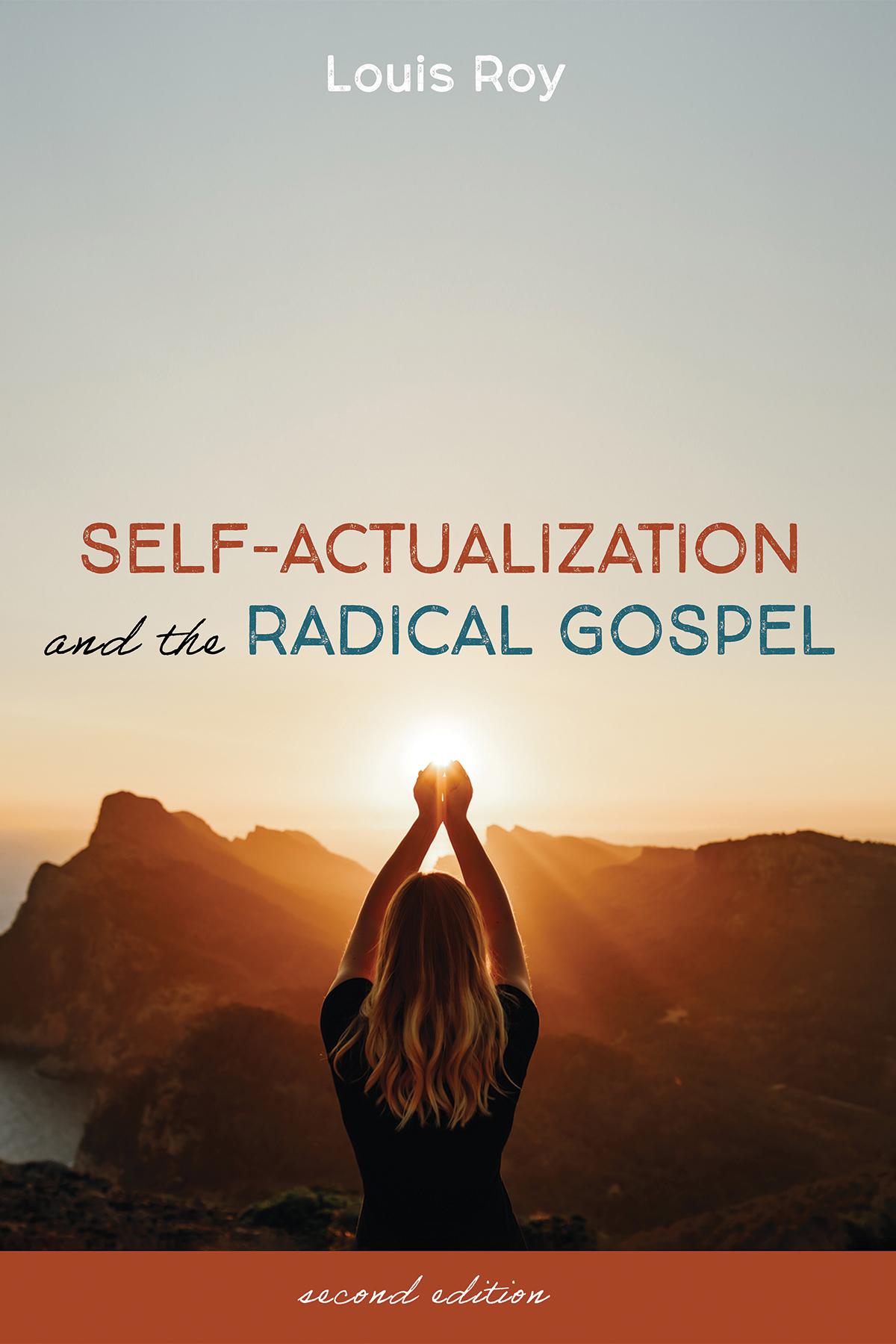
Can today's Christians reconcile a belief in self-actualization with the extreme ethical demands of the New Testament? The author argues that they can, although not easily, and that the felt uneasiness between two concerns--self-fulfillment and self-gift--may generate a healthy tension.
There is then an apparent mismatch between two views of ethics. On the one hand, psychological humanism is based on self-affirmation, acceptance of one's limitations, moderation, and the search for a quality of life in the midst of globalization. On the other hand, the radicalism of the gospel emphasizes passion (in the two senses of this word), self-transcendence towards the infinite, and generosity for God and others. Nonetheless, these two tendencies are neither incompatible nor easily reconcilable.
The book uncovers both the pitfalls of self-actualization and the misleading interpretations that have disfigured the radical gospel. It highlights the developmental factors, views of human life, successes, and failures which play a considerable role in a person's journey. It brings psychological, biblical, philosophical, theological, and pastoral clarifications to bear on the issues. This book will help its readers to grasp what a psychologically informed Christian ethic can be, both intellectually and practically.
Betaal eenvoudig met kaart, Klarna, Apple Pay of Google Pay. Niet tevreden? Je hebt altijd 14 dagen bedenktijd. Lees meer in onze voorwaarden. Heb je vragen, mail ons dan via hello@memmo.org.
Memmo maakt studeren makkelijker – waar je ook bent ter wereld. Wij brengen je cursusboeken en slimme studietools samen op één plek: samenvattingen, quizzen, podcasts en flashcards. En Ted, je studievriend die antwoord geeft op alles wat je je afvraagt. Meer dan 50.000 studenten studeren hier al – gebouwd om je sneller te laten leren en minder stress te geven.
Misschien vind je dit ook leuk
Koop het boek0