
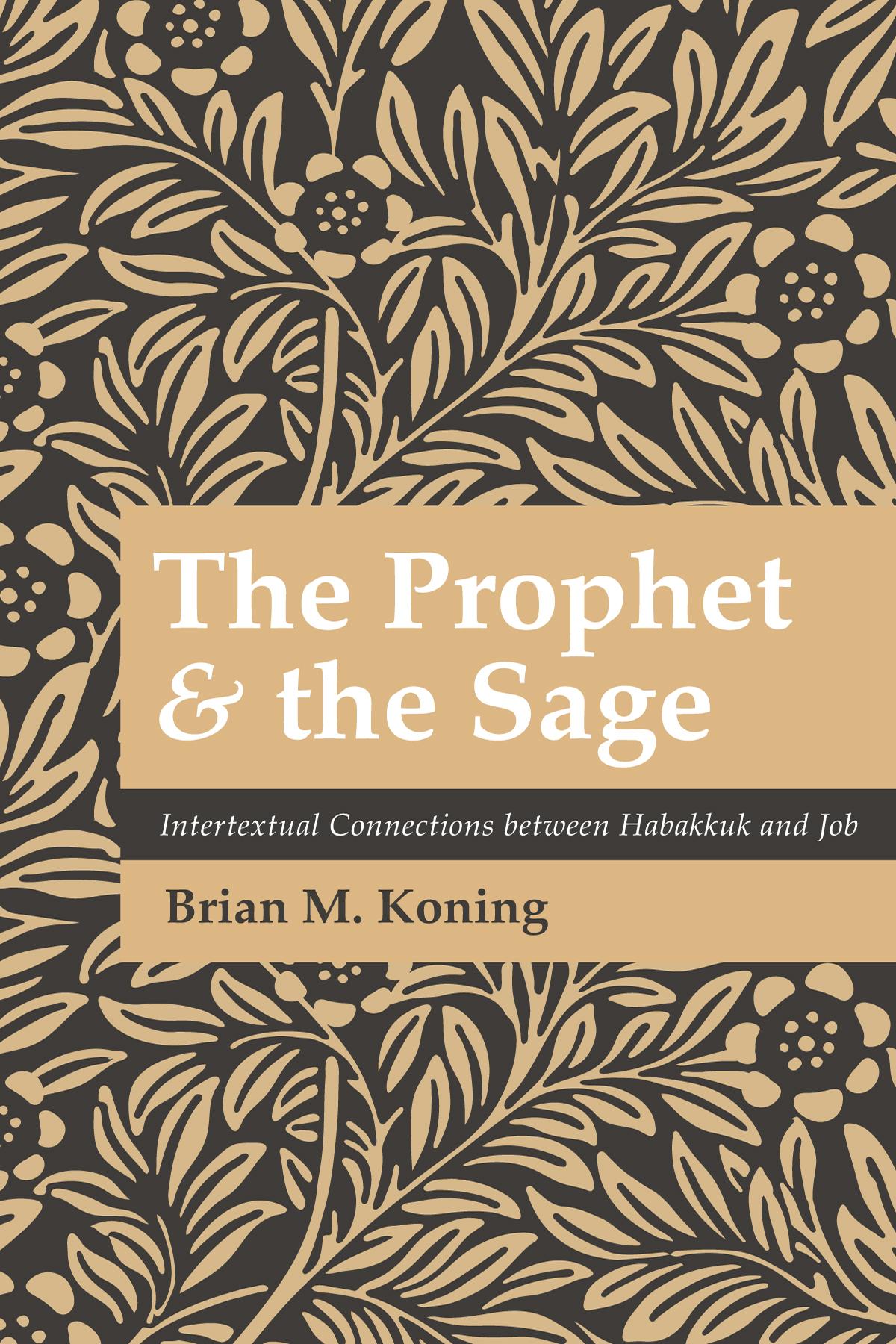
Job and Habakkuk represent the Bible's most focused interlocutors on the concepts of justice and theodicy. Both works center upon men chosen by God who see and suffer evil (Job 1:8, cf. Hab 1:1). Both books record the cries of these men as they wrestled to make sense of the world in which they lived (Job 3, cf. Hab 1:2-4). While they have a passing similarity, what if there is something more fundamental to their connection? What if these books are not merely two unconnected discourses on suffering, but linked in a significant way? By examining the texts themselves, this study explores the possibility that a textual relationship exists between portions of Habakkuk and Job and how the underlying transformation of Job's theodicy shapes Habakkuk's dialogue with God.
Betaal eenvoudig met kaart, Klarna, Apple Pay of Google Pay. Niet tevreden? Je hebt altijd 14 dagen bedenktijd. Lees meer in onze voorwaarden. Heb je vragen, mail ons dan via hello@memmo.org.
Memmo maakt studeren makkelijker – waar je ook bent ter wereld. Wij brengen je cursusboeken en slimme studietools samen op één plek: samenvattingen, quizzen, podcasts en flashcards. En Ted, je studievriend die antwoord geeft op alles wat je je afvraagt. Meer dan 50.000 studenten studeren hier al – gebouwd om je sneller te laten leren en minder stress te geven.
Misschien vind je dit ook leuk
Koop het boek0