
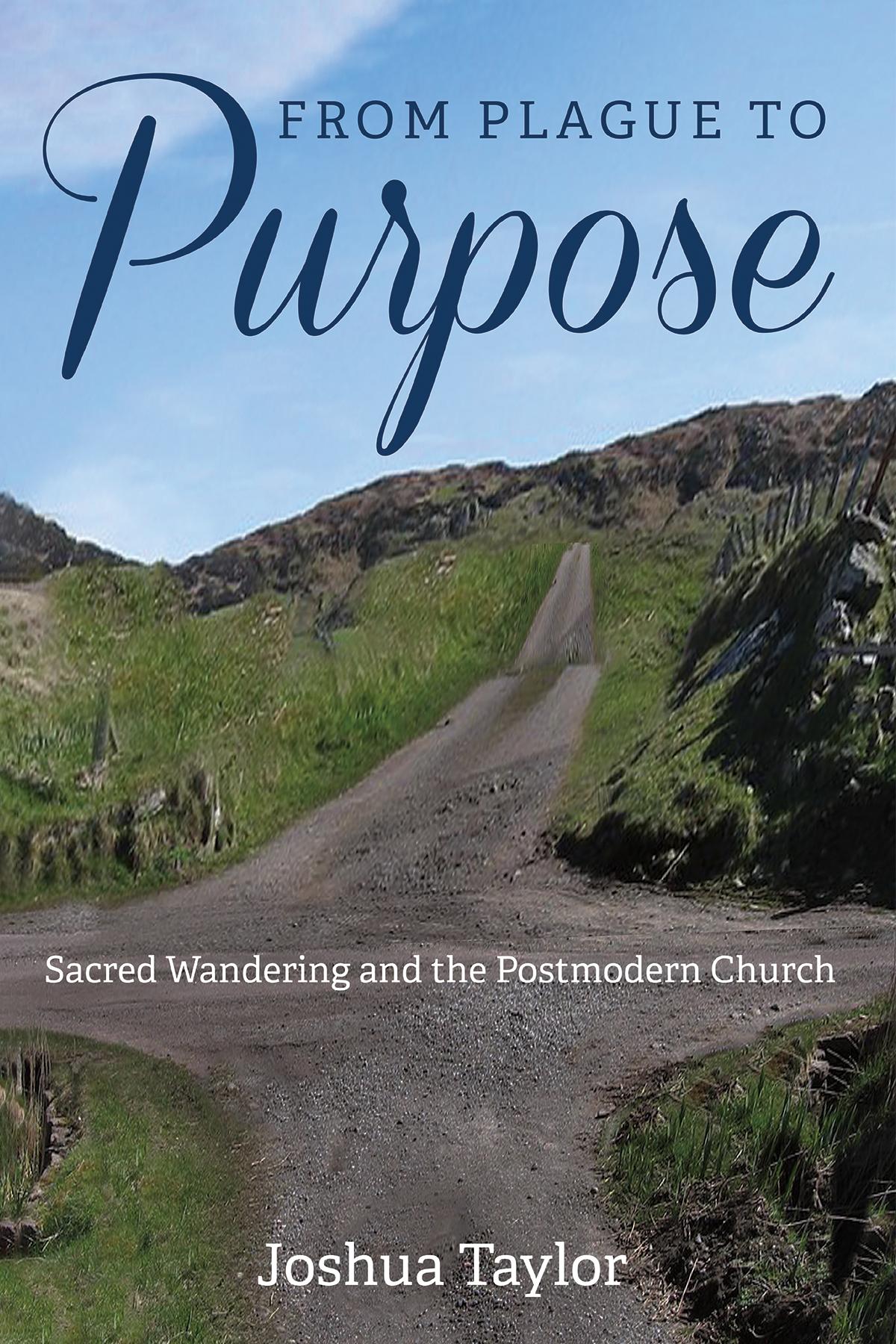
Pilgrimage has been a part of Christian experience since biblical times. Creating new stories, pilgrimage affords sacred travelers experiences that transcend nationalism, denominational identity, and cultural borders, melding their individual constructs of meaning with communal experiences to create new insights. On these pilgrimages, music has played a significant role in the development of community. While pilgrimage is an independent act, it is also a shared existence with other pilgrims, with music serving as a bridge between these two realities. With an estimated 100 million people undertaking pilgrimages at the beginning of the twenty-first century, the rediscovery of pilgrimage, and the music that accompanies it, has meaningful connections for the postmodern church struggling to find a new identity. The ecumenical communities at Iona and Taize provide particular case studies for the role of music in forming community among disparate travelers. The individual and communal nature of pilgrimage, the ability of pilgrimage to provide commonality in a diverse society, and the role of singing and traveling music calls for the reexamination of this ancient practice for the postmodern church.
Betaal eenvoudig met kaart, Klarna, Apple Pay of Google Pay. Niet tevreden? Je hebt altijd 14 dagen bedenktijd. Lees meer in onze voorwaarden. Heb je vragen, mail ons dan via hello@memmo.org.
Memmo maakt studeren makkelijker – waar je ook bent ter wereld. Wij brengen je cursusboeken en slimme studietools samen op één plek: samenvattingen, quizzen, podcasts en flashcards. En Ted, je studievriend die antwoord geeft op alles wat je je afvraagt. Meer dan 50.000 studenten studeren hier al – gebouwd om je sneller te laten leren en minder stress te geven.
Misschien vind je dit ook leuk
Koop het boek0