
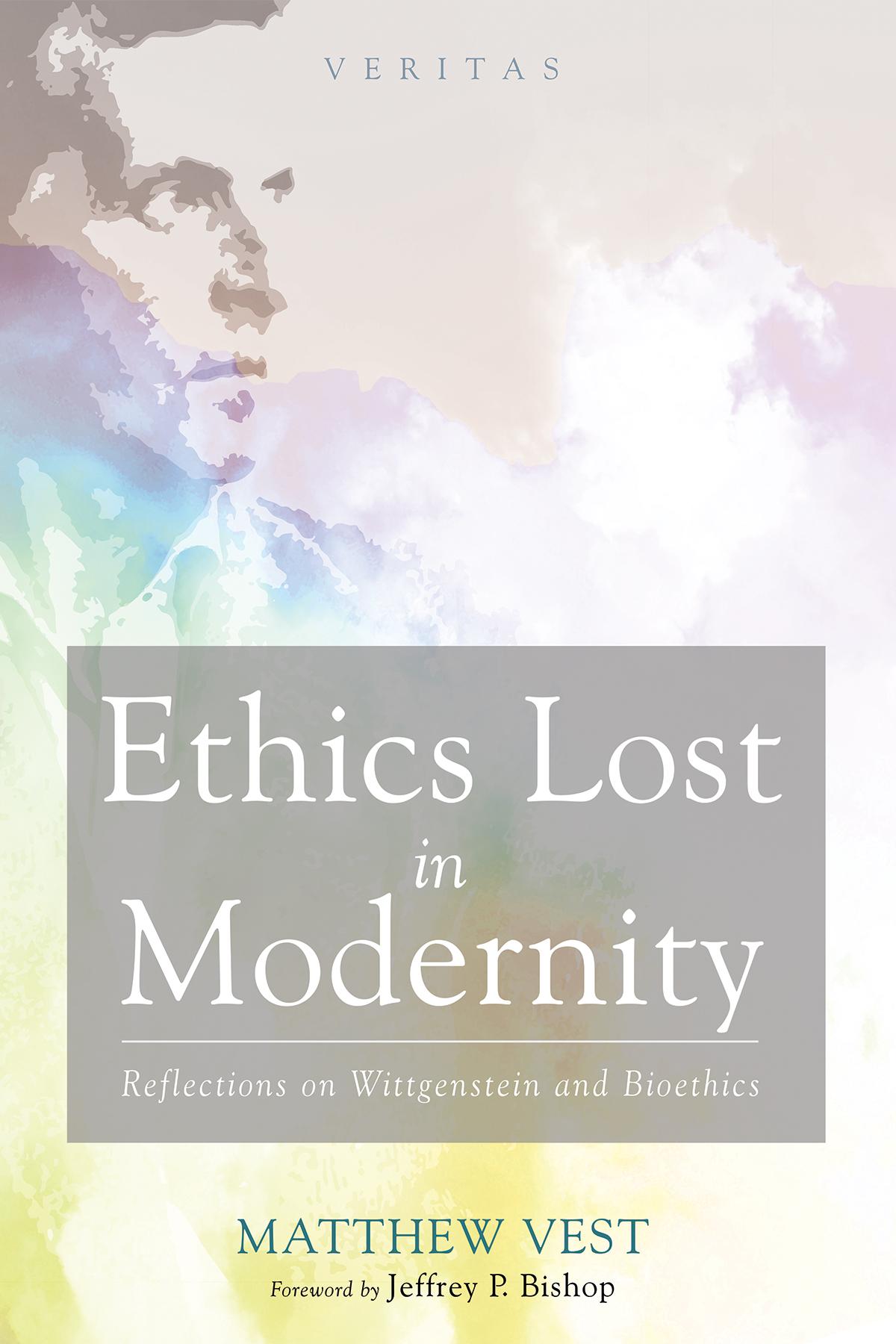
Ethics Lost in Modernity: Reflections on Wittgenstein and Bioethics turns to the philosopher Ludwig Wittgenstein as a guide to understand the immense success--yet great danger--of bioethics. Matthew Vest traces the story of bioethics since its inception in the late 1960s as a way to uncover a number of hidden assumptions within modern ethics that relies upon scientific theorizing as the fundamental way of thinking. Autonomy and utilitarianism, in particular, are two nearly unquestioned goals of scientific theorizing that are easily accessible, but at what cost? Vest argues that such an ethics enacts a thin moral calculation that runs the risk of enslaving ethics to scientism. Far from the depth of religious ethos and practices of virtue, modern ethics is lost amidst thin ethical theories, enacting a language game that instrumentalizes ethics in service of technological, bureaucratic, and professional end goals. He proposes that true moral living is far from anti-science, but rather is envisioned best when ethics and science are balanced with keen insights from ancient sacred cosmology.
Betaal eenvoudig met kaart, Klarna, Apple Pay of Google Pay. Niet tevreden? Je hebt altijd 14 dagen bedenktijd. Lees meer in onze voorwaarden. Heb je vragen, mail ons dan via hello@memmo.org.
Memmo maakt studeren makkelijker – waar je ook bent ter wereld. Wij brengen je cursusboeken en slimme studietools samen op één plek: samenvattingen, quizzen, podcasts en flashcards. En Ted, je studievriend die antwoord geeft op alles wat je je afvraagt. Meer dan 50.000 studenten studeren hier al – gebouwd om je sneller te laten leren en minder stress te geven.
Misschien vind je dit ook leuk
Koop het boek0