
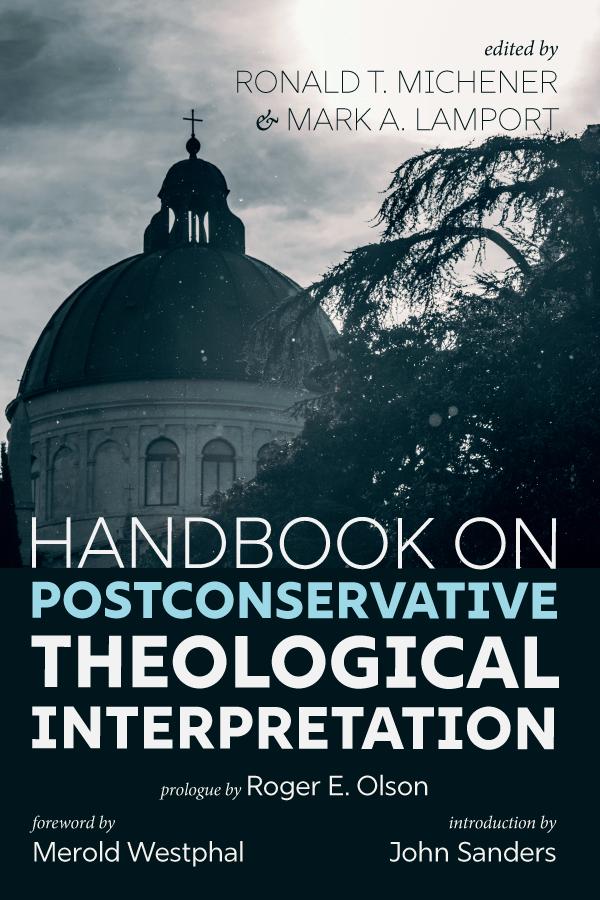
Postconservative theology may be said to parallel with "postliberal theology" at its best. Orthodox, biblical, but open to new insights about how to interpret Scripture. But the new insights must be faithful as well as fresh. Postconservative theology is not the same as "progressive theology," which tends to lean toward indeterminant faith expressions, whereas "postconservative" allows for particular faith commitments and expressions but understands that the constructive task of theology is never finished. Authors emphasize various interpretive theological lenses used for doing theology among various postconservative theologians, rather than emphasizing the philosophical background to hermeneutical theory present in other works, such as past influential thinkers (including Gadamer, Grondin, Ricoeur, Heidegger, etc.). This resource could also function as a companion to Evangelical Theological Method: Five Views (2018). This emphasis of the chapters will not be on the nuts and bolts of "how to" interpret, but rather on the theological impulses that govern various lenses (Bible, cultural context, etc.) for doing theology and the way Scripture functions with respect to the practice of interpretation.
Betaal eenvoudig met kaart, Klarna, Apple Pay of Google Pay. Niet tevreden? Je hebt altijd 14 dagen bedenktijd. Lees meer in onze voorwaarden. Heb je vragen, mail ons dan via hello@memmo.org.
Memmo maakt studeren makkelijker – waar je ook bent ter wereld. Wij brengen je cursusboeken en slimme studietools samen op één plek: samenvattingen, quizzen, podcasts en flashcards. En Ted, je studievriend die antwoord geeft op alles wat je je afvraagt. Meer dan 50.000 studenten studeren hier al – gebouwd om je sneller te laten leren en minder stress te geven.
Misschien vind je dit ook leuk
Koop het boek0