
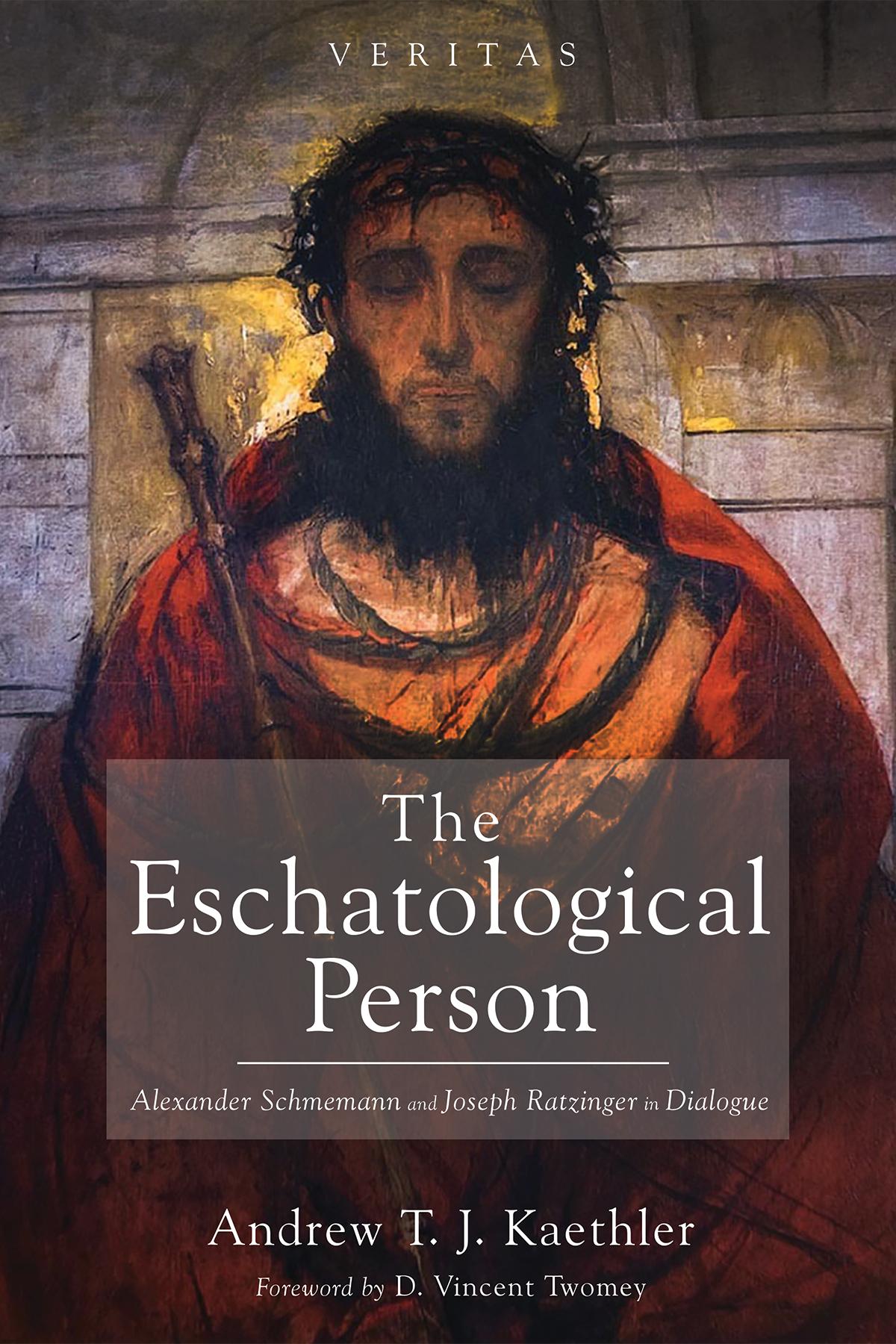
Both Alexander Schmemann and Joseph Ratzinger insist that the human person remains shrouded in mystery without God's self-disclosure in the person of Jesus Christ. Like us, Jesus lived in a particular time and location, and therefore time and temporality must be part of the ontological question of what it means to be a human person. Yet, Jesus, the one who has time for us, ascended to the Father, and the bride of Christ awaits his return, and therefore time and temporality are conditioned by the eschatological. With this in mind, the ontological question of personhood and temporality is a question that concerns eschatology: how does eschatology shape personhood? Bringing together Schmemann and Ratzinger in a theological dialogue for the first time, this book explores their respective approaches and answers to the aforementioned question. While the two theologians share much in common, it is only Ratzinger's relational ontological approach that, by being consistently relational from top to bottom, consistently preserves the meaningfulness of temporal existence.
Betaal eenvoudig met kaart, Klarna, Apple Pay of Google Pay. Niet tevreden? Je hebt altijd 14 dagen bedenktijd. Lees meer in onze voorwaarden. Heb je vragen, mail ons dan via hello@memmo.org.
Memmo maakt studeren makkelijker – waar je ook bent ter wereld. Wij brengen je cursusboeken en slimme studietools samen op één plek: samenvattingen, quizzen, podcasts en flashcards. En Ted, je studievriend die antwoord geeft op alles wat je je afvraagt. Meer dan 50.000 studenten studeren hier al – gebouwd om je sneller te laten leren en minder stress te geven.
Misschien vind je dit ook leuk
Koop het boek0