
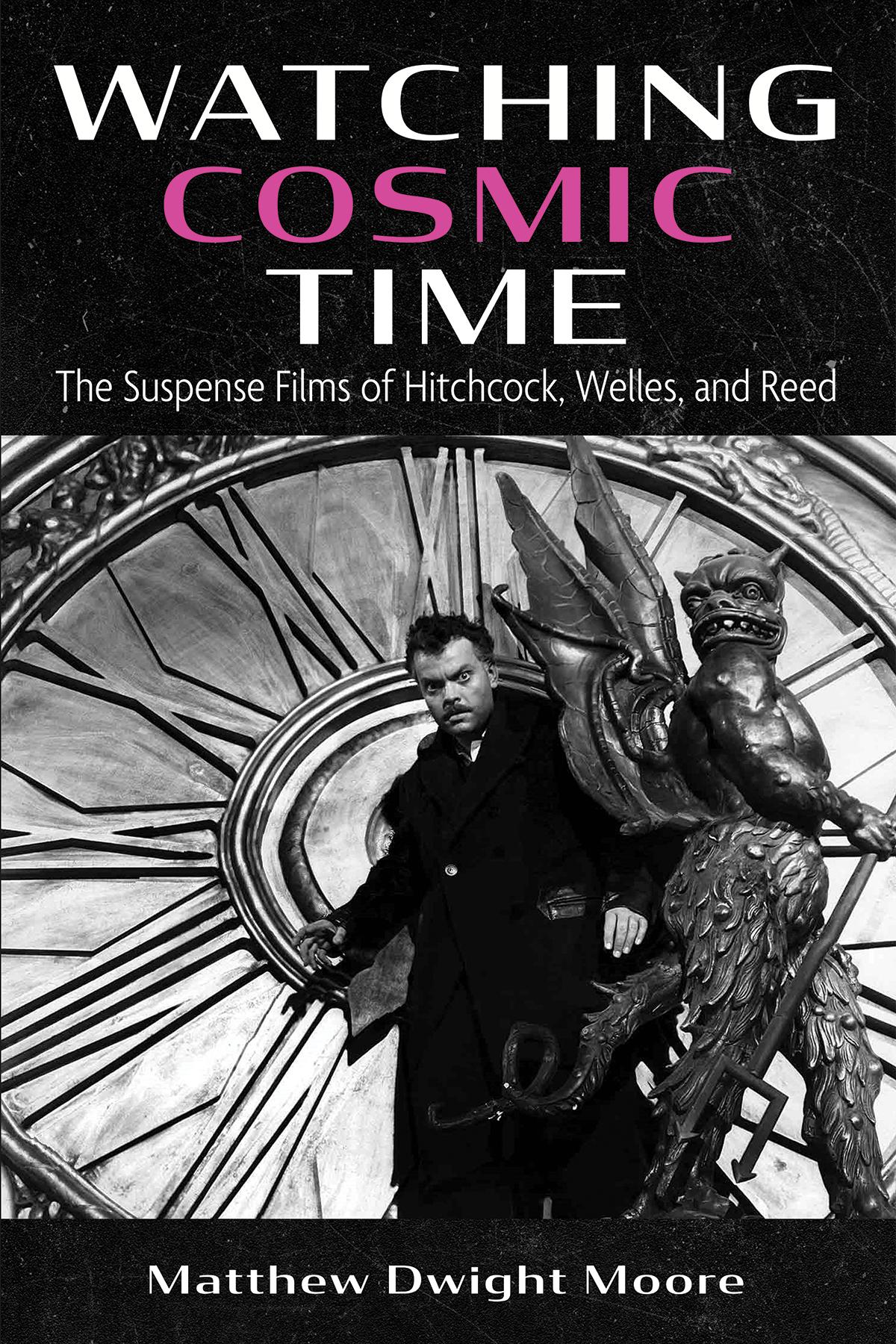
How do the suspense films of Alfred Hitchcock, Orson Welles, and Carol Reed allow us special insight into the popular mentality of their contemporaries--contemporaries who went to war against the forces of Adolf Hitler? How did midcentury films that fetishized clocks and time-keeping devices as diverse as Peter Pan, High Noon, Rear Window, Shadow of a Doubt, The Stranger, and Odd Man Out produce unique experiences that invited audiences to literally watch cosmic time? What role did cinema audiences play in perpetuating the presumption that order exists in the universe--and how have the polyvalent institutions of church and state implicated human agency in such perpetuation? This full-length academic treatment of the topic employs formal film analysis that is situated squarely within historical studies and addresses these cinematic and phenomenological questions--and more.
Betaal eenvoudig met kaart, Klarna, Apple Pay of Google Pay. Niet tevreden? Je hebt altijd 14 dagen bedenktijd. Lees meer in onze voorwaarden. Heb je vragen, mail ons dan via hello@memmo.org.
Memmo maakt studeren makkelijker – waar je ook bent ter wereld. Wij brengen je cursusboeken en slimme studietools samen op één plek: samenvattingen, quizzen, podcasts en flashcards. En Ted, je studievriend die antwoord geeft op alles wat je je afvraagt. Meer dan 50.000 studenten studeren hier al – gebouwd om je sneller te laten leren en minder stress te geven.
Misschien vind je dit ook leuk
Koop het boek0