
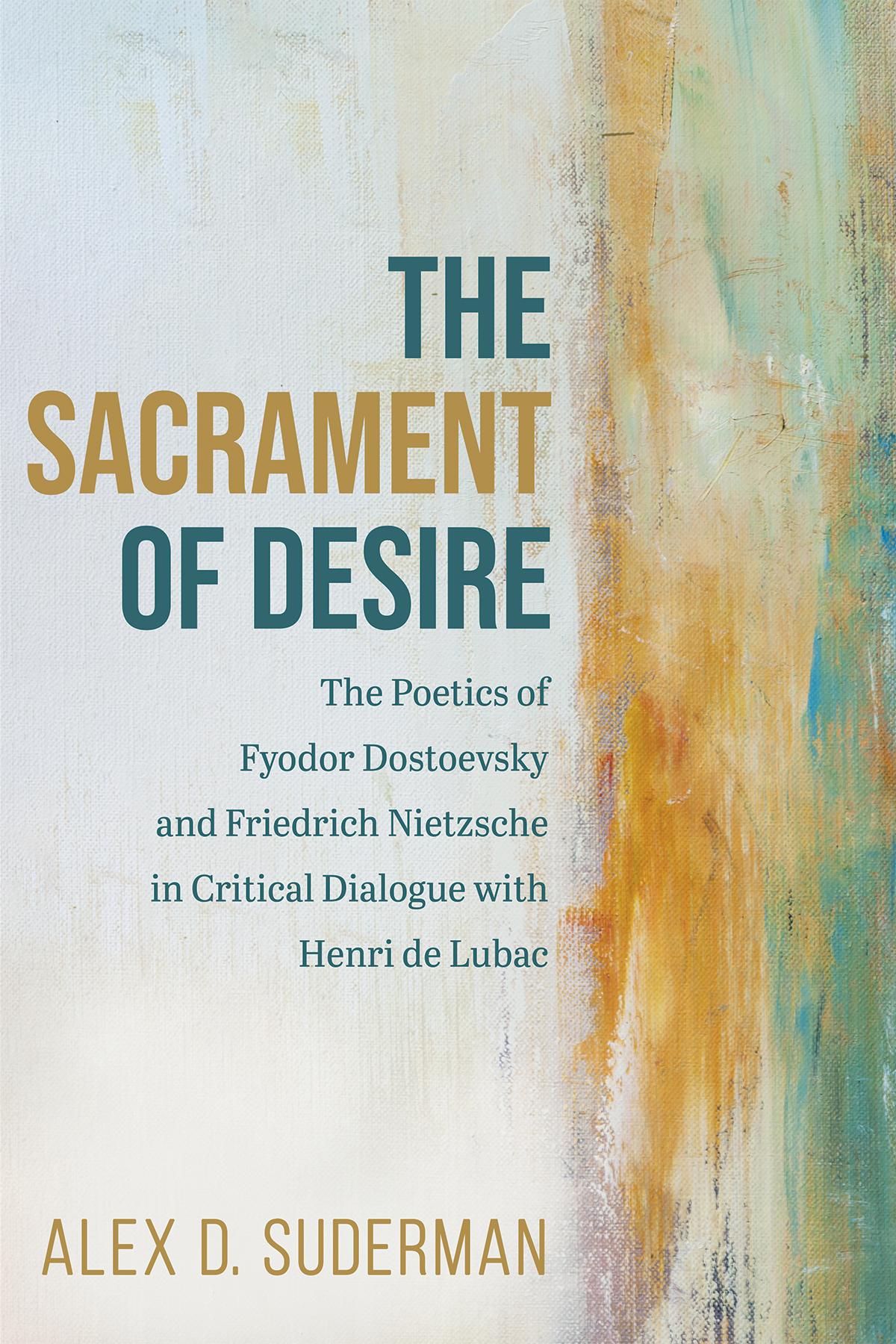
This book explores the political-theological implications of sacramental desire in Fyodor Dostoevsky`s The Brothers Karamazov with Friedrich Nietzsche's Thus Spoke Zarathustra in critical dialogue with Henri de Lubac. Suderman demonstrates how the work of de Lubac, Dostoevsky, and Nietzsche address a transcendent desire for a higher social and political unity in late-modern Western cultures and the imperialistic and coercive tendencies latent within it, concretely expressed in the Western church and the modern state. Specifically, this book investigates how Dostoevsky and Nietzsche envision new forms of political embodiment that are neither escapist nor imperialist. Through a detailed examination of Zarathustra's dramatic discovery of the eternal return and Alyosha's mystical experience of the resurrection, Suderman demonstrates the metaphysical significance of their respective political ethics. While the intent of de Lubac is to recover the social implications of the sacraments of Roman Catholicism, Nietzsche and Dostoevsky espouse alternative articulations of community and the sacramental desire necessary for such embodiment, a desire rooted in their respective perceptions of God.
Betaal eenvoudig met kaart, Klarna, Apple Pay of Google Pay. Niet tevreden? Je hebt altijd 14 dagen bedenktijd. Lees meer in onze voorwaarden. Heb je vragen, mail ons dan via hello@memmo.org.
Memmo maakt studeren makkelijker – waar je ook bent ter wereld. Wij brengen je cursusboeken en slimme studietools samen op één plek: samenvattingen, quizzen, podcasts en flashcards. En Ted, je studievriend die antwoord geeft op alles wat je je afvraagt. Meer dan 50.000 studenten studeren hier al – gebouwd om je sneller te laten leren en minder stress te geven.
Misschien vind je dit ook leuk
Koop het boek0