
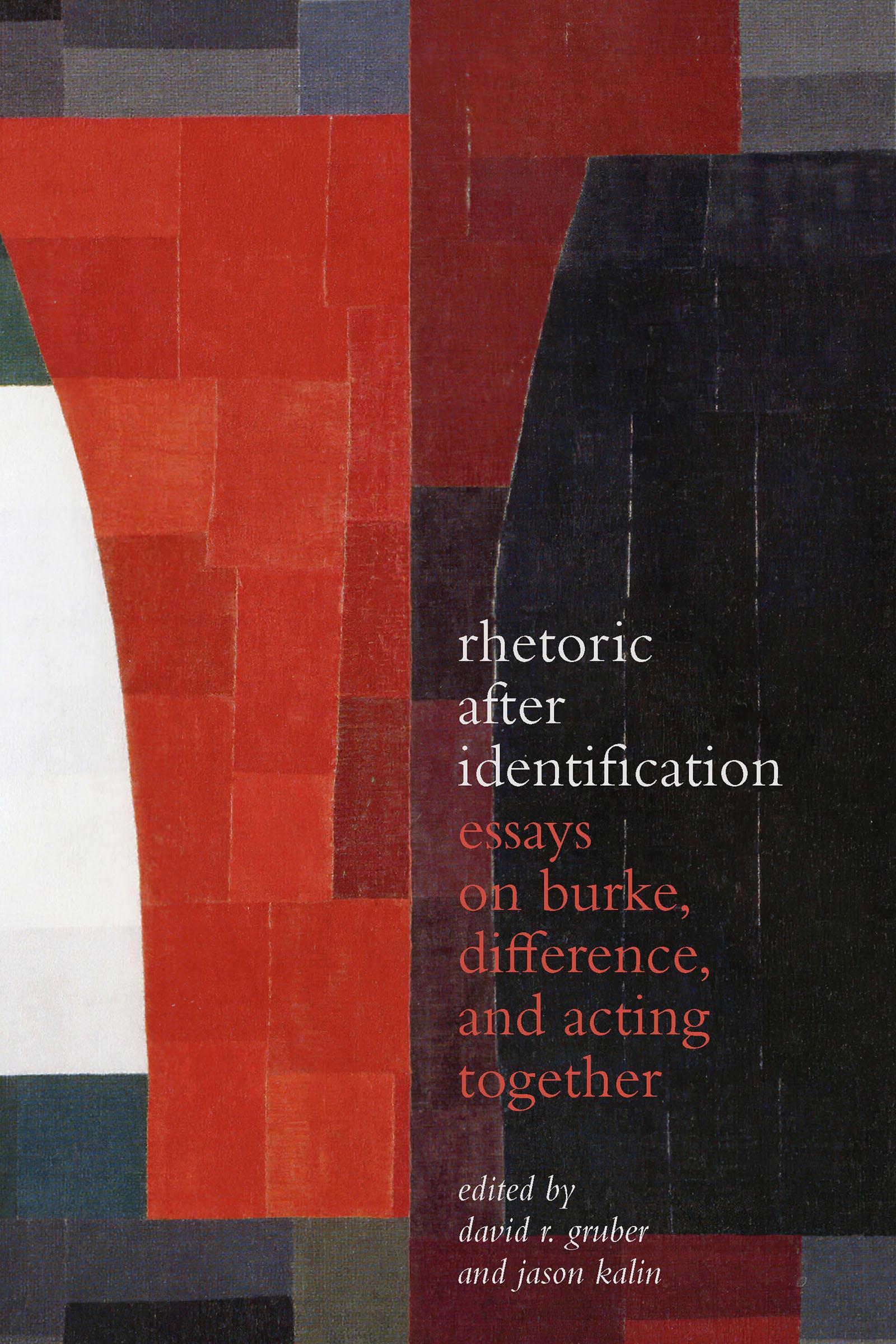
How can we act together when identification may no longer bridge the divide?
Since the publication of Kenneth Burke's A Rhetoric of Motives (1950), identification has been the central concept of rhetorical theory. Rhetoric After Identification offers new theoretical frameworks for engaging with and letting go of identification—to see difference as dignity and consider how we are never fully understandable to one another yet can work toward making worlds in common. The volume confronts the primacy of identification through a variety of interdisciplinary lenses, drawing on affect and body studies, new materialisms, and decolonial philosophies. Challenging the assumption that identifying with one another is necessary to cooperation, contributors interrogate how the pursuit of "sameness" can perpetuate inequalities. In doing so, they do not abandon the potential for affective and symbolic identification; instead, they multiply the generative force of difference.
Contributors: Matthew Brigham, Catherine Chaput, Donovan Conley, Diane Davis, Matthew Halm, Chris Ingraham, J. G. Izaguirre III, Chris Mays, Kaden Milliren, Megan Poole, Krista Ratcliffe
Betaal eenvoudig met kaart, Klarna, Apple Pay of Google Pay. Niet tevreden? Je hebt altijd 14 dagen bedenktijd. Lees meer in onze voorwaarden. Heb je vragen, mail ons dan via hello@memmo.org.
Memmo maakt studeren makkelijker – waar je ook bent ter wereld. Wij brengen je cursusboeken en slimme studietools samen op één plek: samenvattingen, quizzen, podcasts en flashcards. En Ted, je studievriend die antwoord geeft op alles wat je je afvraagt. Meer dan 50.000 studenten studeren hier al – gebouwd om je sneller te laten leren en minder stress te geven.