
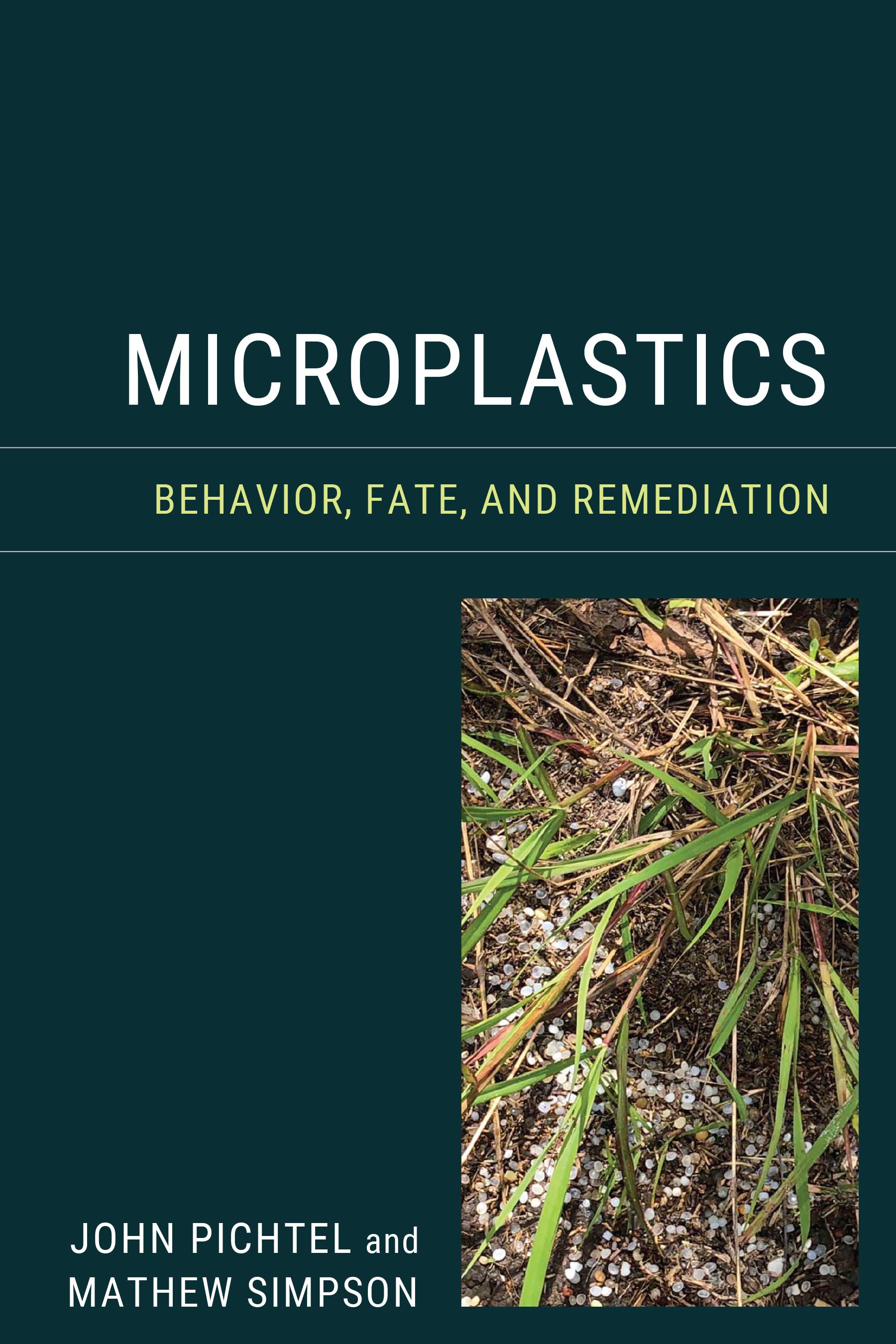
An in-depth look at what microplastics are, how prevalent they are, and what can be done about them for a professional and academic audience.
The first part of the book provides an overview of plastics types, how they are released to the environment, and how they interact with organisms. This part also provides a background for several salient aspects of microplastics hazards (e.g., attachment of toxic chemicals, toxicity to organisms). Special attention will be paid to how microplastics decompose in the environment (which is significant in terms of mobility of toxicity). Subsequent chapters address how to sample and identify microplastics. The second part of the book examines technologies for removal of microplastics from water, wastewater, and soil. Biological, chemical, and physical technologies are presented--technologies that can destroy minute plastics or convert them into benign products. Theory of operation, practical considerations, and possible environmental impacts of their use are discussed.
Key aspects include:
* technologies available for removal of microplastics from wastewater and surface water;
* how various toxins which are sorbed to microplastics adversely affect wastewater treatment processes;
* technologies at the pilot- and field stage for removal of microplastics from sediment; and
* the distribution of microplastics in the atmosphere.
Written by John Pichtel, author of the acclaimed Fundamentals of Site Remediation, and Mathew Simpson.
The first part of the book provides an overview of plastics types, how they are released to the environment, and how they interact with organisms. This part also provides a background for several salient aspects of microplastics hazards (e.g., attachment of toxic chemicals, toxicity to organisms). Special attention will be paid to how microplastics decompose in the environment (which is significant in terms of mobility of toxicity). Subsequent chapters address how to sample and identify microplastics. The second part of the book examines technologies for removal of microplastics from water, wastewater, and soil. Biological, chemical, and physical technologies are presented--technologies that can destroy minute plastics or convert them into benign products. Theory of operation, practical considerations, and possible environmental impacts of their use are discussed.
Key aspects include:
* technologies available for removal of microplastics from wastewater and surface water;
* how various toxins which are sorbed to microplastics adversely affect wastewater treatment processes;
* technologies at the pilot- and field stage for removal of microplastics from sediment; and
* the distribution of microplastics in the atmosphere.
Written by John Pichtel, author of the acclaimed Fundamentals of Site Remediation, and Mathew Simpson.
Betaal eenvoudig met kaart, Klarna, Apple Pay of Google Pay. Niet tevreden? Je hebt altijd 14 dagen bedenktijd. Lees meer in onze voorwaarden. Heb je vragen, mail ons dan via hello@memmo.org.
Memmo maakt studeren makkelijker – waar je ook bent ter wereld. Wij brengen je cursusboeken en slimme studietools samen op één plek: samenvattingen, quizzen, podcasts en flashcards. En Ted, je studievriend die antwoord geeft op alles wat je je afvraagt. Meer dan 50.000 studenten studeren hier al – gebouwd om je sneller te laten leren en minder stress te geven.