
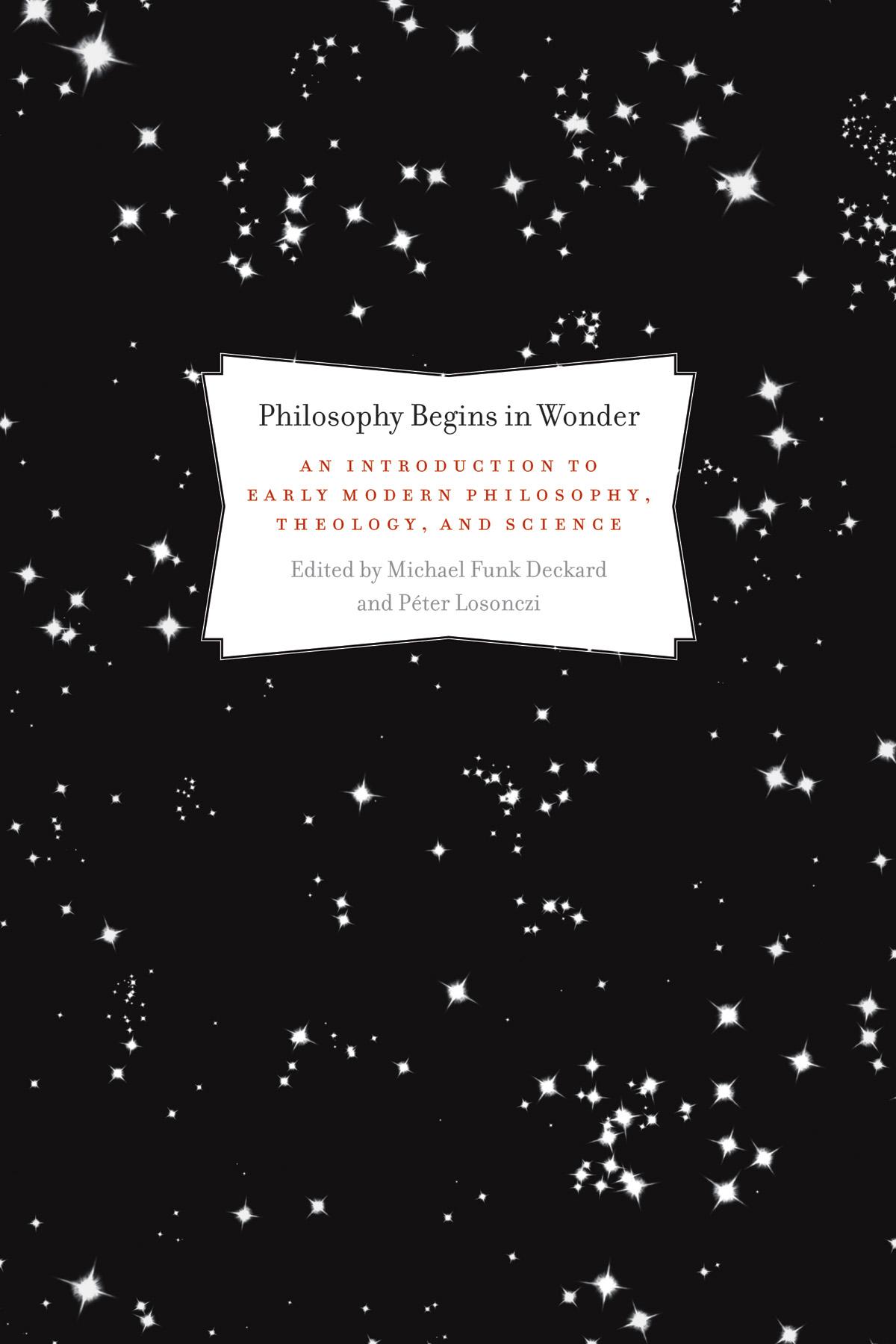
Philosophy begins with wonder, according to Plato and Aristotle. Yet Plato and Aristotle did not expand a great deal on what precisely wonder is. Does this fact alone not raise curiosity in us as to why this passion or concept is important? What is wonder's role in science, philosophy, or theology except to end thinking or theorizing as soon as one begins? The primary purpose of this book is to show how seventeenth- and eighteenth-century developments in natural theology, metaphysics, epistemology, ethics, aesthetics, and the philosophy of science resulted in a complex history of the passion of wonder-a history in which the elements of continuation, criticism, and reformulation are equally present. Philosophy Begins in Wonder provides the first historical overview of wonder and changes the way we see early modern Europe. It is intended for readers who are curious-who wonder-about how modern philosophy and science were born. The book is for scholars and educated readers alike.
Betaal eenvoudig met kaart, Klarna, Apple Pay of Google Pay. Niet tevreden? Je hebt altijd 14 dagen bedenktijd. Lees meer in onze voorwaarden. Heb je vragen, mail ons dan via hello@memmo.org.
Memmo maakt studeren makkelijker – waar je ook bent ter wereld. Wij brengen je cursusboeken en slimme studietools samen op één plek: samenvattingen, quizzen, podcasts en flashcards. En Ted, je studievriend die antwoord geeft op alles wat je je afvraagt. Meer dan 50.000 studenten studeren hier al – gebouwd om je sneller te laten leren en minder stress te geven.
Misschien vind je dit ook leuk
Koop het boek0