
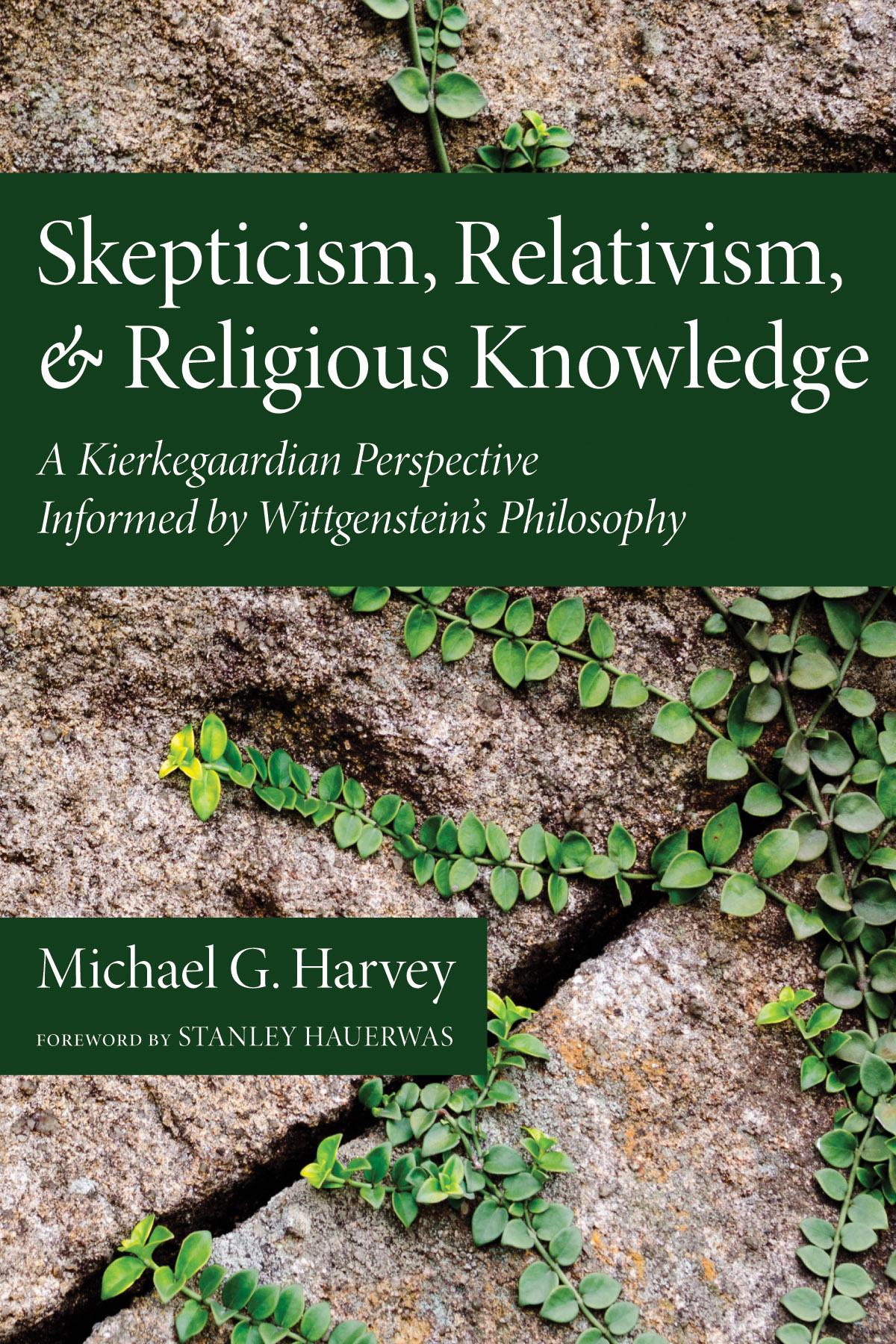
Skepticism, Relativism, and Religious Knowledge examines the challenges of skepticism and relativism to religious knowledge after the demise of classical foundationalism. Whereas skepticism doubts our capacity to know truth, relativism doubts whether we can find a sufficiently objective perspective to adjudicate strong disagreement about truth. Thus relativism involves skepticism about rationality rather than truth. In developing a critique of responses to these challenges by Karl Barth and Reformed epistemology, Michael G. Harvey develops a Kierkegaardian perspective on religious knowledge informed by Wittgenstein's philosophy. This perspective is based on a hermeneutical model of rationality that appeals to what we hold in common rather than private and parochial foundations in order to settle disagreement. Although doubt is necessary to produce more truth-preserving beliefs, we must scrutinize our doubts as well as beliefs in order to prevent the belief-forming mechanism of doubt from degenerating into a general mood of skepticism about rationality and truth. More fundamentally, we must realize that skepticism and relativism are rooted in attitudes of alienation. Whereas epistemology aims at a non-alienated view of the world, Christianity aims at a non-alienated way of living through faith that enables both our beliefs and lives to correspond with the truth.
Betaal eenvoudig met kaart, Klarna, Apple Pay of Google Pay. Niet tevreden? Je hebt altijd 14 dagen bedenktijd. Lees meer in onze voorwaarden. Heb je vragen, mail ons dan via hello@memmo.org.
Memmo maakt studeren makkelijker – waar je ook bent ter wereld. Wij brengen je cursusboeken en slimme studietools samen op één plek: samenvattingen, quizzen, podcasts en flashcards. En Ted, je studievriend die antwoord geeft op alles wat je je afvraagt. Meer dan 50.000 studenten studeren hier al – gebouwd om je sneller te laten leren en minder stress te geven.
Misschien vind je dit ook leuk
Koop het boek0