
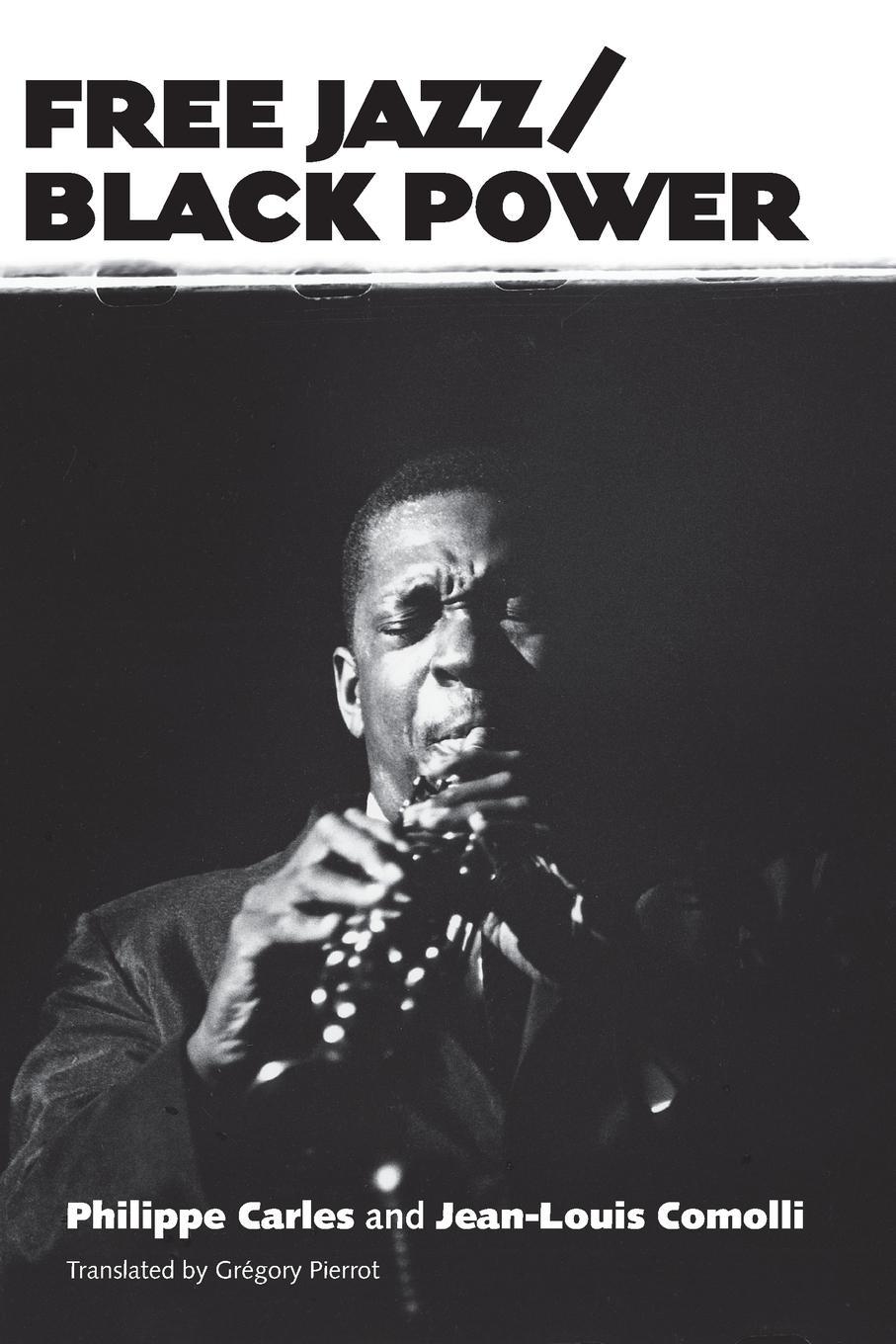
In 1971, French jazz critics Philippe Carles and Jean-Louis Comolli cowrote Free Jazz/Black Power, a treatise on the racial and political implications of jazz and jazz criticism. It remains a testimony to the long-ignored encounter of radical African American music and French left-wing criticism. Carles and Comolli set out to defend a genre vilified by jazz critics on both sides of the Atlantic by exposing the new sound’s ties to African American culture, history, and the political struggle that was raging in the early 1970s. The two offered a political and cultural history of Black presence in the United States to shed more light on the dubious role played by jazz criticism in racial oppression.
This analysis of jazz criticism and its production is astutely self-aware. It critiques the critics, building a work of cultural studies in a time and place where the practice was virtually unknown. The authors reached radical conclusions—free jazz was a revolutionary reaction against white domination, was the musical counterpart to the Black Power movement, and was a musical style that demanded a similar political commitment. The impact of this book is difficult to overstate, as it made readers reconsider their response to African American music. In some cases, it changed the way musicians thought about and played jazz. Free Jazz/Black Power remains indispensable to the study of the relation of American free jazz to European audiences, critics, and artists. This monumental critique caught the spirit of its time and realigned that zeitgeist.
This analysis of jazz criticism and its production is astutely self-aware. It critiques the critics, building a work of cultural studies in a time and place where the practice was virtually unknown. The authors reached radical conclusions—free jazz was a revolutionary reaction against white domination, was the musical counterpart to the Black Power movement, and was a musical style that demanded a similar political commitment. The impact of this book is difficult to overstate, as it made readers reconsider their response to African American music. In some cases, it changed the way musicians thought about and played jazz. Free Jazz/Black Power remains indispensable to the study of the relation of American free jazz to European audiences, critics, and artists. This monumental critique caught the spirit of its time and realigned that zeitgeist.
Betaal eenvoudig met kaart, Klarna, Apple Pay of Google Pay. Niet tevreden? Je hebt altijd 14 dagen bedenktijd. Lees meer in onze voorwaarden. Heb je vragen, mail ons dan via hello@memmo.org.
Memmo maakt studeren makkelijker – waar je ook bent ter wereld. Wij brengen je cursusboeken en slimme studietools samen op één plek: samenvattingen, quizzen, podcasts en flashcards. En Ted, je studievriend die antwoord geeft op alles wat je je afvraagt. Meer dan 50.000 studenten studeren hier al – gebouwd om je sneller te laten leren en minder stress te geven.
Misschien vind je dit ook leuk
Koop het boek0