
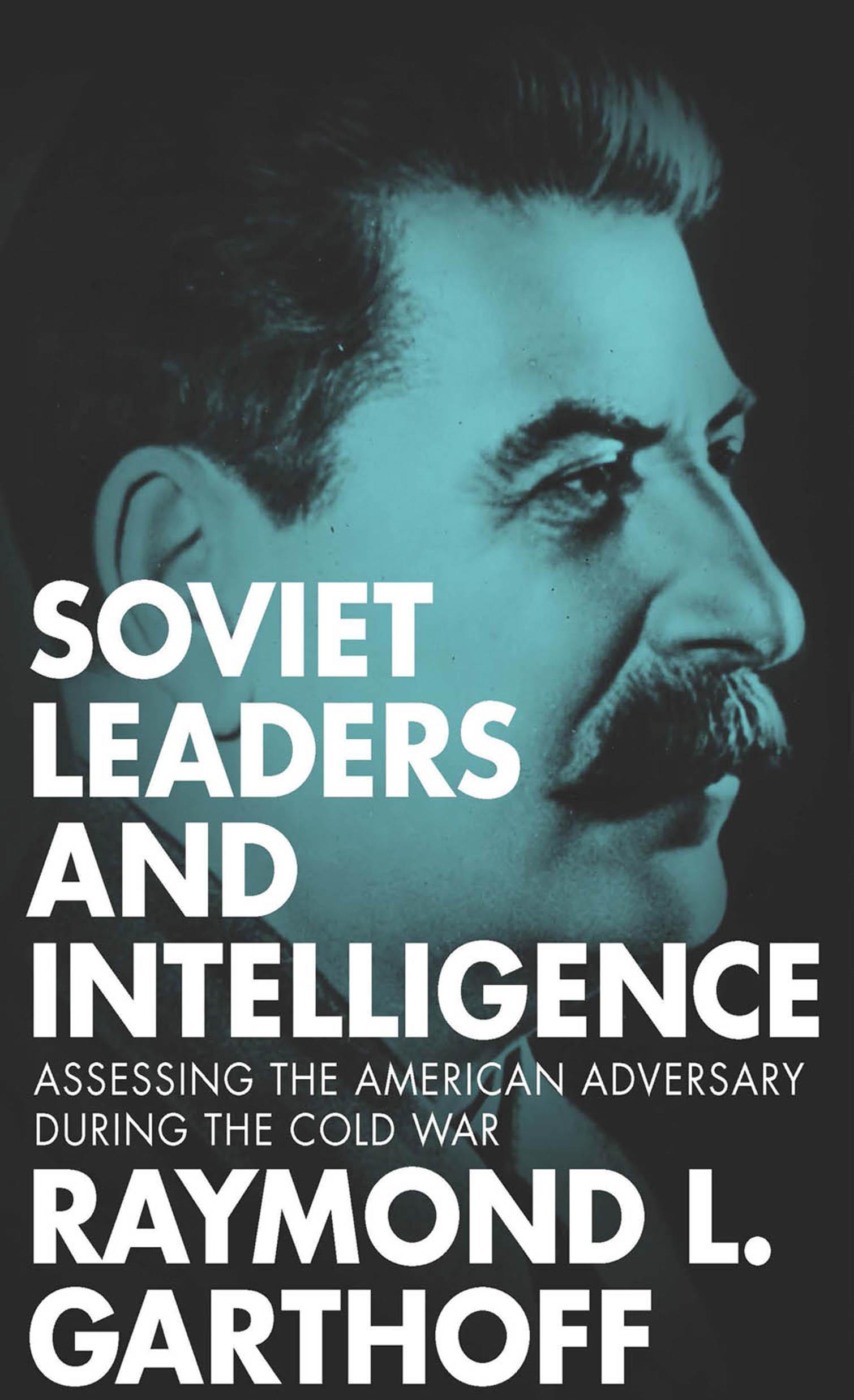
During the Cold War, the political leadership of the Soviet Union avidly sought intelligence about its main adversary, the United States. Although effective on an operational level, Soviet leaders and their intelligence chiefs fell short when it came to analyzing intelligence. Soviet leaders were often not receptive to intelligence that conflicted with their existing beliefs, and analysts were reluctant to put forward assessments that challenged ideological orthodoxy.
There were, however, important changes over time. Ultimately the views of an enlightened Soviet leader, Gorbachev, trumped the ideological blinders of his predecessors and the intelligence service’s dedication to an endless duel with their ideologically spawned “main adversary," making it possible to end the Cold War.
Raymond Garthoff draws on over five decades of personal contact with Soviet diplomats, intelligence officers, military leaders, and scholars during his remarkable career as an analyst, senior diplomat, and historian. He also builds on previous scholarship and examines documents from Soviet and Western archives. Soviet Leaders and Intelligence offers an informed and highly readable assessment of how the Soviets understood—and misunderstood—the intentions and objectives of their Cold War adversary.
Betaal eenvoudig met kaart, Klarna, Apple Pay of Google Pay. Niet tevreden? Je hebt altijd 14 dagen bedenktijd. Lees meer in onze voorwaarden. Heb je vragen, mail ons dan via hello@memmo.org.
Memmo maakt studeren makkelijker – waar je ook bent ter wereld. Wij brengen je cursusboeken en slimme studietools samen op één plek: samenvattingen, quizzen, podcasts en flashcards. En Ted, je studievriend die antwoord geeft op alles wat je je afvraagt. Meer dan 50.000 studenten studeren hier al – gebouwd om je sneller te laten leren en minder stress te geven.