
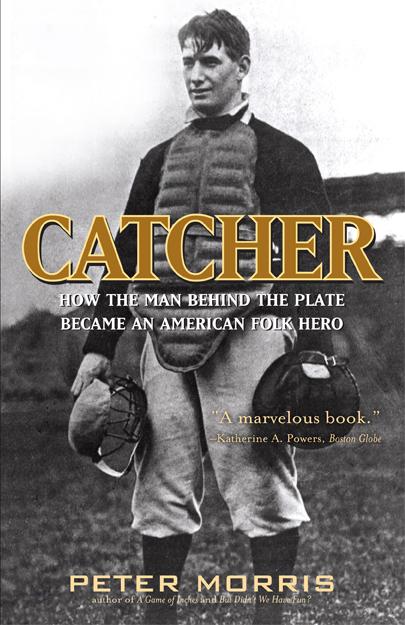
Today the baseball catcher is a familiar but uninspiring figure. Decked out in the so-called tools of ignorance, he stolidly goes about his duty without attracting much attention. But it wasn't always that way, as Peter Morris shows in this lively and original study. In baseball's early days, catchers stood a safe distance behind the batter. Then the introduction of the curveball in the 1870s led them to move up directly behind home plate, even though they still wore no gloves or protective equipment. Extraordinary courage became the catcher's most notable requirement, but the new positioning also demanded that the catcher have lightning-fast reflexes, great hands, and a cannon for a throwing arm.
Betaal eenvoudig met kaart, Klarna, Apple Pay of Google Pay. Niet tevreden? Je hebt altijd 14 dagen bedenktijd. Lees meer in onze voorwaarden. Heb je vragen, mail ons dan via hello@memmo.org.
Memmo maakt studeren makkelijker – waar je ook bent ter wereld. Wij brengen je cursusboeken en slimme studietools samen op één plek: samenvattingen, quizzen, podcasts en flashcards. En Ted, je studievriend die antwoord geeft op alles wat je je afvraagt. Meer dan 50.000 studenten studeren hier al – gebouwd om je sneller te laten leren en minder stress te geven.