
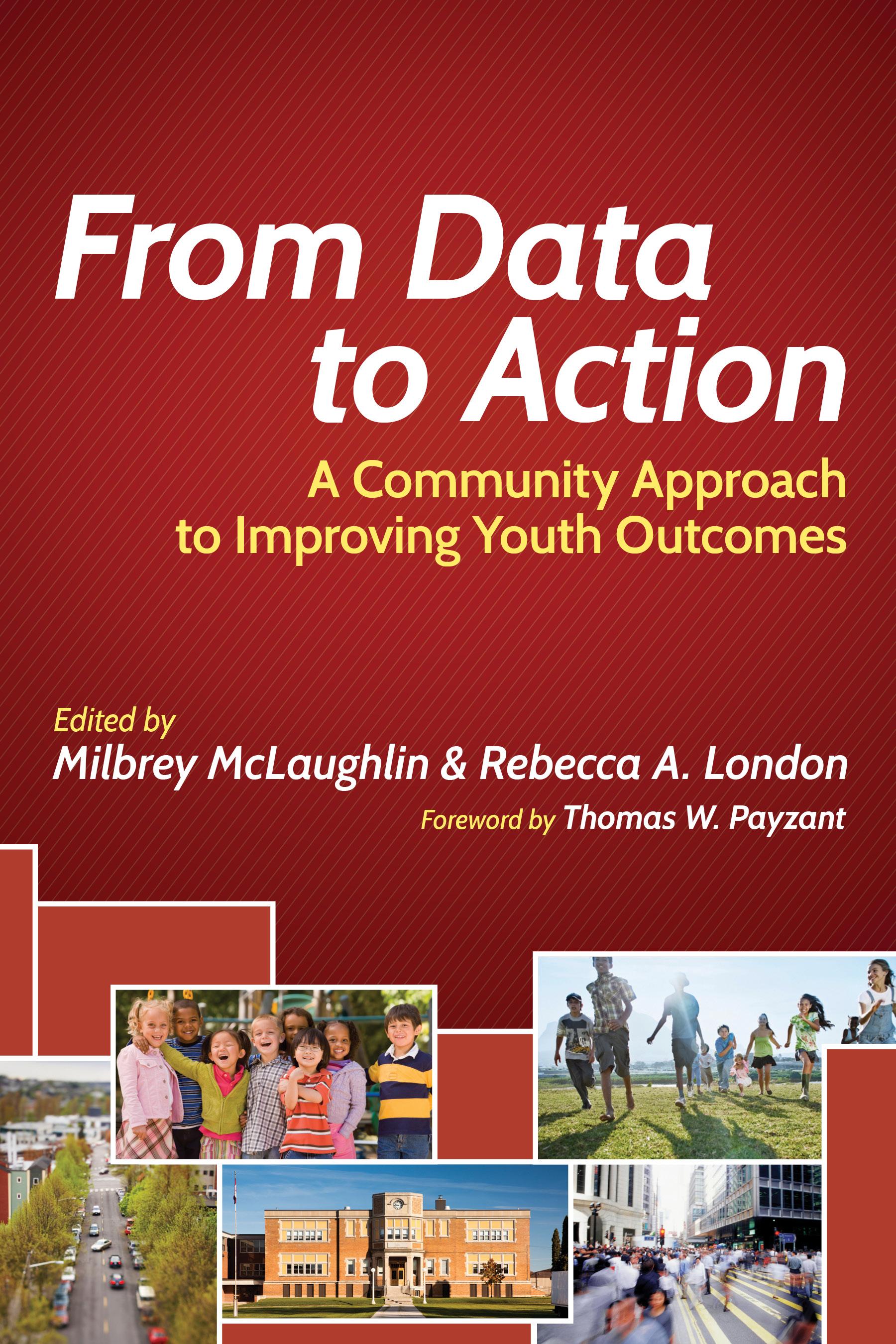
This book is a welcome guide for educators, civic leaders, and researchers looking for ways to leverage data to identify the most effective policies, interventions, and use of resources for their communities.
In the current era of reform, much has been made of the fact that there are many influences that shape children beyond the walls of the schoolhouse. Powerful data “warehouses” have been built to track children and interventions within school bureaucracies and in other social service sectors. Yet these data systems are rarely linked to provide a holistic view of how individual children are faring both in and out of school and which interventions—or combinations thereof—are most promising. Privacy laws and institutional traditions have made such collaborations difficult, if not impossible. Until now.
The Youth Data Archive, based at the John W. Gardner Center for Youth and Their Communities at Stanford University, is an effort to blaze a new path to the productive use of cross-agency data now employed by researchers, school officials, and service providers in San Francisco, San Mateo, Alameda, and Santa Clara counties.
Editors Milbrey McLaughlin and Rebecca A. London, leaders of the Youth Data Archive, bring together participants who describe the initiative and its challenges and successes. The participants also give detailed background on how the archive was built and how it has led to improvements in services, particularly for children at risk. This book is a welcome guide for educators, civic leaders, and researchers looking for ways to leverage data to identify the most effective policies, interventions, and use of resources for their communities.
In the current era of reform, much has been made of the fact that there are many influences that shape children beyond the walls of the schoolhouse. Powerful data “warehouses” have been built to track children and interventions within school bureaucracies and in other social service sectors. Yet these data systems are rarely linked to provide a holistic view of how individual children are faring both in and out of school and which interventions—or combinations thereof—are most promising. Privacy laws and institutional traditions have made such collaborations difficult, if not impossible. Until now.
The Youth Data Archive, based at the John W. Gardner Center for Youth and Their Communities at Stanford University, is an effort to blaze a new path to the productive use of cross-agency data now employed by researchers, school officials, and service providers in San Francisco, San Mateo, Alameda, and Santa Clara counties.
Editors Milbrey McLaughlin and Rebecca A. London, leaders of the Youth Data Archive, bring together participants who describe the initiative and its challenges and successes. The participants also give detailed background on how the archive was built and how it has led to improvements in services, particularly for children at risk. This book is a welcome guide for educators, civic leaders, and researchers looking for ways to leverage data to identify the most effective policies, interventions, and use of resources for their communities.
Betaal eenvoudig met kaart, Klarna, Apple Pay of Google Pay. Niet tevreden? Je hebt altijd 14 dagen bedenktijd. Lees meer in onze voorwaarden. Heb je vragen, mail ons dan via hello@memmo.org.
Memmo maakt studeren makkelijker – waar je ook bent ter wereld. Wij brengen je cursusboeken en slimme studietools samen op één plek: samenvattingen, quizzen, podcasts en flashcards. En Ted, je studievriend die antwoord geeft op alles wat je je afvraagt. Meer dan 50.000 studenten studeren hier al – gebouwd om je sneller te laten leren en minder stress te geven.
Misschien vind je dit ook leuk
Koop het boek0