
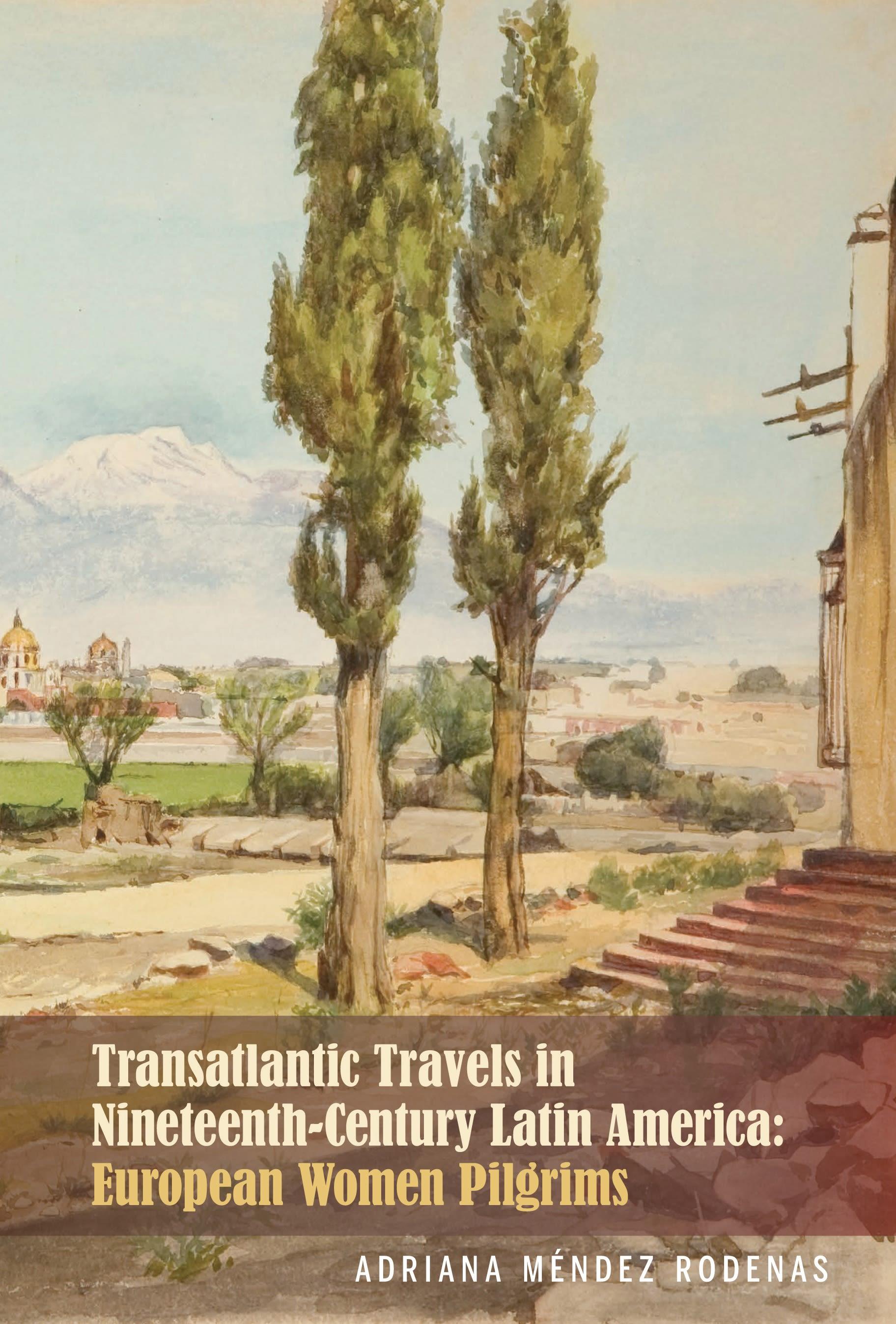
Transatlantic Travels in Nineteenth-Century Latin America: European Women Pilgrims retraces the steps of five intrepid “lady travelers” who ventured into the geography of the New World—Mexico, the Southern Cone, Brazil, and the Caribbean—at a crucial historical juncture, the period of political anarchy following the break from Spain and the rise of modernity at the turn of the twentieth century. Traveling as historians, social critics, ethnographers, and artists, Frances Erskine Inglis (1806–82), Maria Graham (1785–1842), Flora Tristan (1803–44), Fredrika Bremer (1801–65), and Adela Breton (1849–1923) reshaped the map of nineteenth-century Latin America. Organized by themes rather than by individual authors, this book examines European women’s travels as a spectrum of narrative discourses, ranging from natural history, history, and ethnography. Women’s social condition becomes a focal point of their travels. By combining diverse genres and perspectives, women’s travel writing ushers a new vision of post-independence societies. The trope of pilgrimage conditions the female travel experience, which suggests both the meta-end of the journey as well as the broader cultural frame shaping their individual itineraries.
Betaal eenvoudig met kaart, Klarna, Apple Pay of Google Pay. Niet tevreden? Je hebt altijd 14 dagen bedenktijd. Lees meer in onze voorwaarden. Heb je vragen, mail ons dan via hello@memmo.org.
Memmo maakt studeren makkelijker – waar je ook bent ter wereld. Wij brengen je cursusboeken en slimme studietools samen op één plek: samenvattingen, quizzen, podcasts en flashcards. En Ted, je studievriend die antwoord geeft op alles wat je je afvraagt. Meer dan 50.000 studenten studeren hier al – gebouwd om je sneller te laten leren en minder stress te geven.