
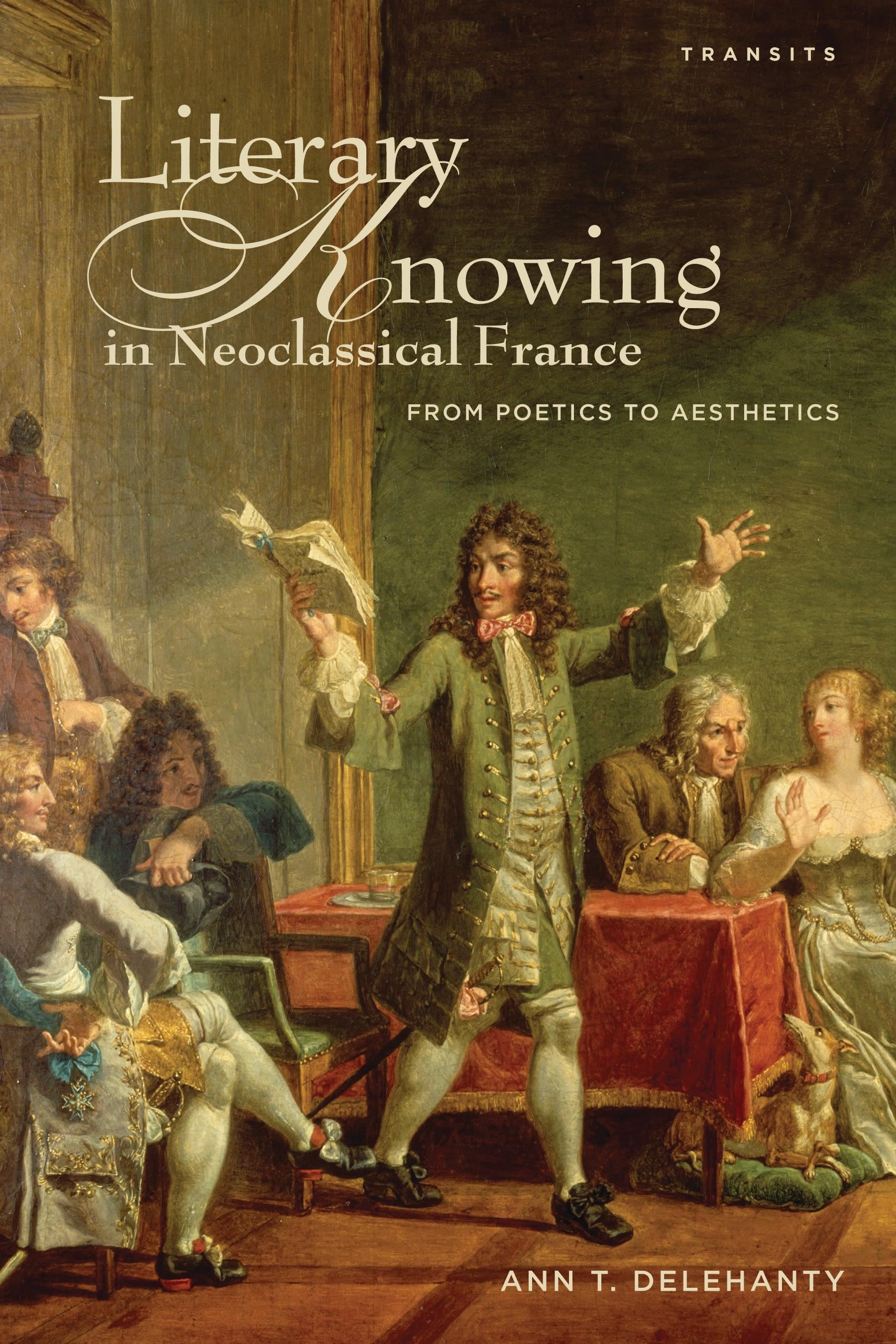
Literary Knowing in Neoclassical France analyzes the work of several literary critics in France and England, at the end of the seventeenth and beginning of the eighteenth centuries, who were inspired by the idea that literature – especially the literary sublime – might offer us the deepest kind of knowledge. Dominique Bouhours, Nicolas Boileau, René Rapin, John Dennis, and the abbé Dubos believed that literature could deliver truths that transcend our world and were analogous or even equal to the truths of divine revelation. Ann Delehanty argues that this shift towards the transcendental realm pushed the definition of the literary work away from describing its objective properties and towards its effects on the mind of the reader. After placing these ideas about literature in the context of the religious and philosophical thinking of Blaise Pascal, Delehanty traces the evolution of a debate about literature in the writings of the critics in question. They embraced theories of sentiment and the passions as the epistemological means of identifying and knowing the transcendental aspects of a literary work that eventually came to be known as aesthetics. By tracing the historical evolution of the relationship between transcendentalism and aesthetics in French and English neoclassical thought, Literary Knowing in Neoclassical France provides new and engaging insights into an important moment in our literary history.
Betaal eenvoudig met kaart, Klarna, Apple Pay of Google Pay. Niet tevreden? Je hebt altijd 14 dagen bedenktijd. Lees meer in onze voorwaarden. Heb je vragen, mail ons dan via hello@memmo.org.
Memmo maakt studeren makkelijker – waar je ook bent ter wereld. Wij brengen je cursusboeken en slimme studietools samen op één plek: samenvattingen, quizzen, podcasts en flashcards. En Ted, je studievriend die antwoord geeft op alles wat je je afvraagt. Meer dan 50.000 studenten studeren hier al – gebouwd om je sneller te laten leren en minder stress te geven.