
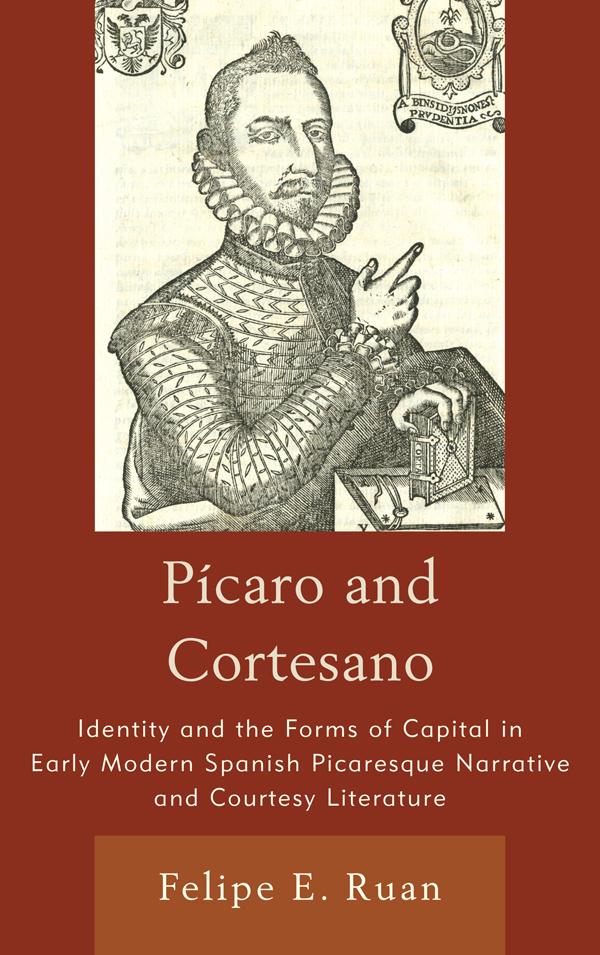
In this book on the relationship between pícaro and cortesano, Felipe E. Ruan argues that these two cultural figures are linked by a shared form of deportment centered on prudent self-accommodation. This behavior is generated and governed by a courtly ethos or habitus that emerges as the result of the growth and influence of the court in Madrid. Ruan posits that both pícaro and cortesano, and their respective books, conduct manual and picaresque narrative, tacitly engage questions of identity and individualism by highlighting the valued resources or forms of capital that come to fashion and sustain self-identity. He places the books of the pícaro and cortesano within the larger polemic of early modern identity and individualism, and offers an account of the individual as agent whose actions are grounded on objective social relations, without those actions being simply the result of mechanistic adherence to the social order.
Betaal eenvoudig met kaart, Klarna, Apple Pay of Google Pay. Niet tevreden? Je hebt altijd 14 dagen bedenktijd. Lees meer in onze voorwaarden. Heb je vragen, mail ons dan via hello@memmo.org.
Memmo maakt studeren makkelijker – waar je ook bent ter wereld. Wij brengen je cursusboeken en slimme studietools samen op één plek: samenvattingen, quizzen, podcasts en flashcards. En Ted, je studievriend die antwoord geeft op alles wat je je afvraagt. Meer dan 50.000 studenten studeren hier al – gebouwd om je sneller te laten leren en minder stress te geven.