
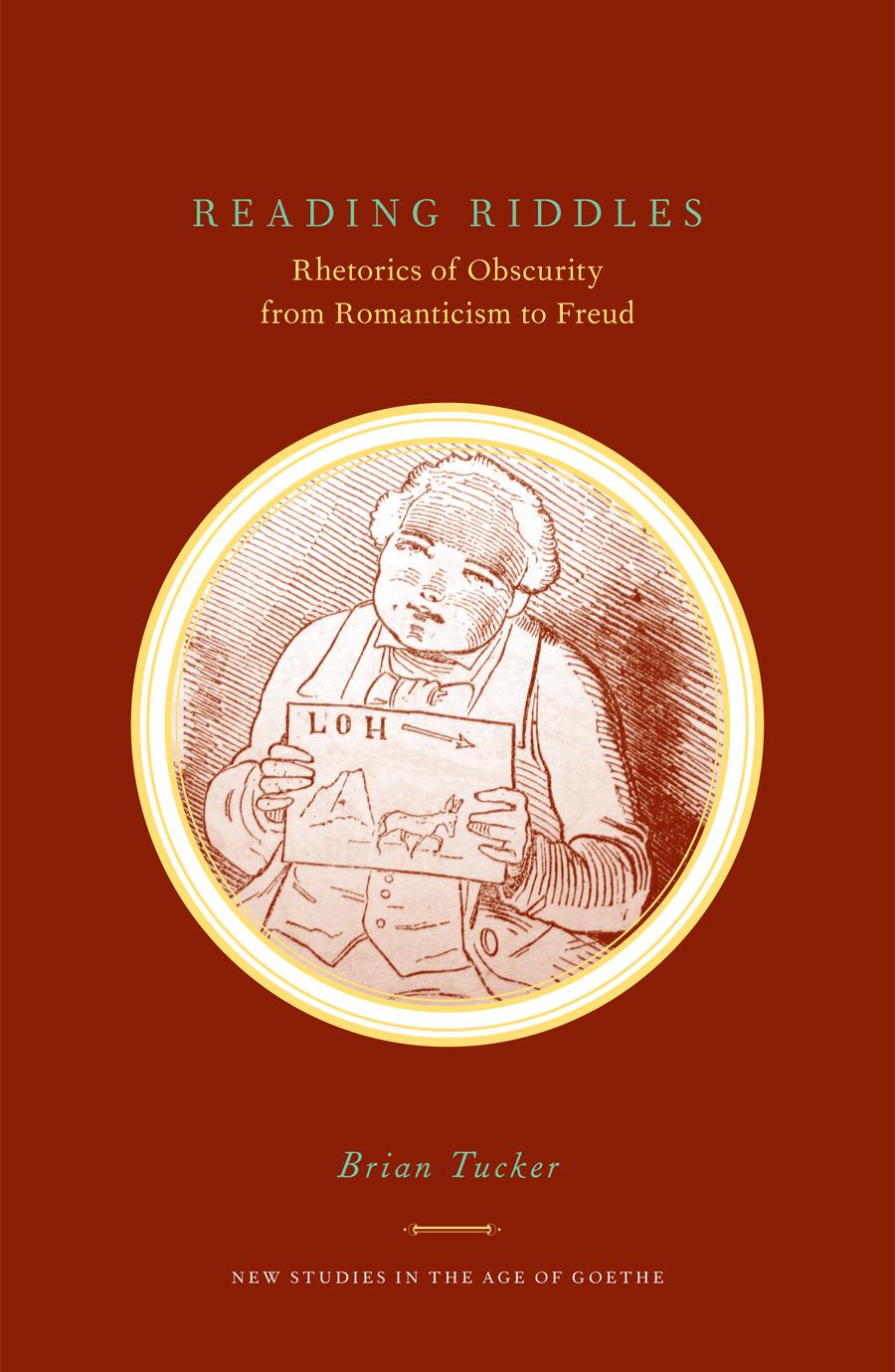
Reading Riddles: Rhetorics of Obscurity from Romanticism to Freud explores how the riddle becomes a figure for reading and writing in early German Romanticism and how this model then enables Sigmund Freud's approach to the psyche. It traces a migration of ideas from literature to psychoanalysis and argues that the relationship between them must be situated at the methodological level. Through readings of texts by August Wilhelm, Friedrich Schlegel, G.W.F. Hegel, and Ludwig Tieck Reading Riddles documents how the Romantics expand the field of poetic signification to include obscure, distorted signs and how they applied this rhetoric of obscurity to the self. The book argues that this model of self and signification plays a central role in the formulation of Freud's psychoanalytic theory. If the self is a riddle, as many in the nineteenth century claim, Freud takes the figure seriously and interprets the mind according to all the structures and techniques of that textual genre.
Betaal eenvoudig met kaart, Klarna, Apple Pay of Google Pay. Niet tevreden? Je hebt altijd 14 dagen bedenktijd. Lees meer in onze voorwaarden. Heb je vragen, mail ons dan via hello@memmo.org.
Memmo maakt studeren makkelijker – waar je ook bent ter wereld. Wij brengen je cursusboeken en slimme studietools samen op één plek: samenvattingen, quizzen, podcasts en flashcards. En Ted, je studievriend die antwoord geeft op alles wat je je afvraagt. Meer dan 50.000 studenten studeren hier al – gebouwd om je sneller te laten leren en minder stress te geven.