
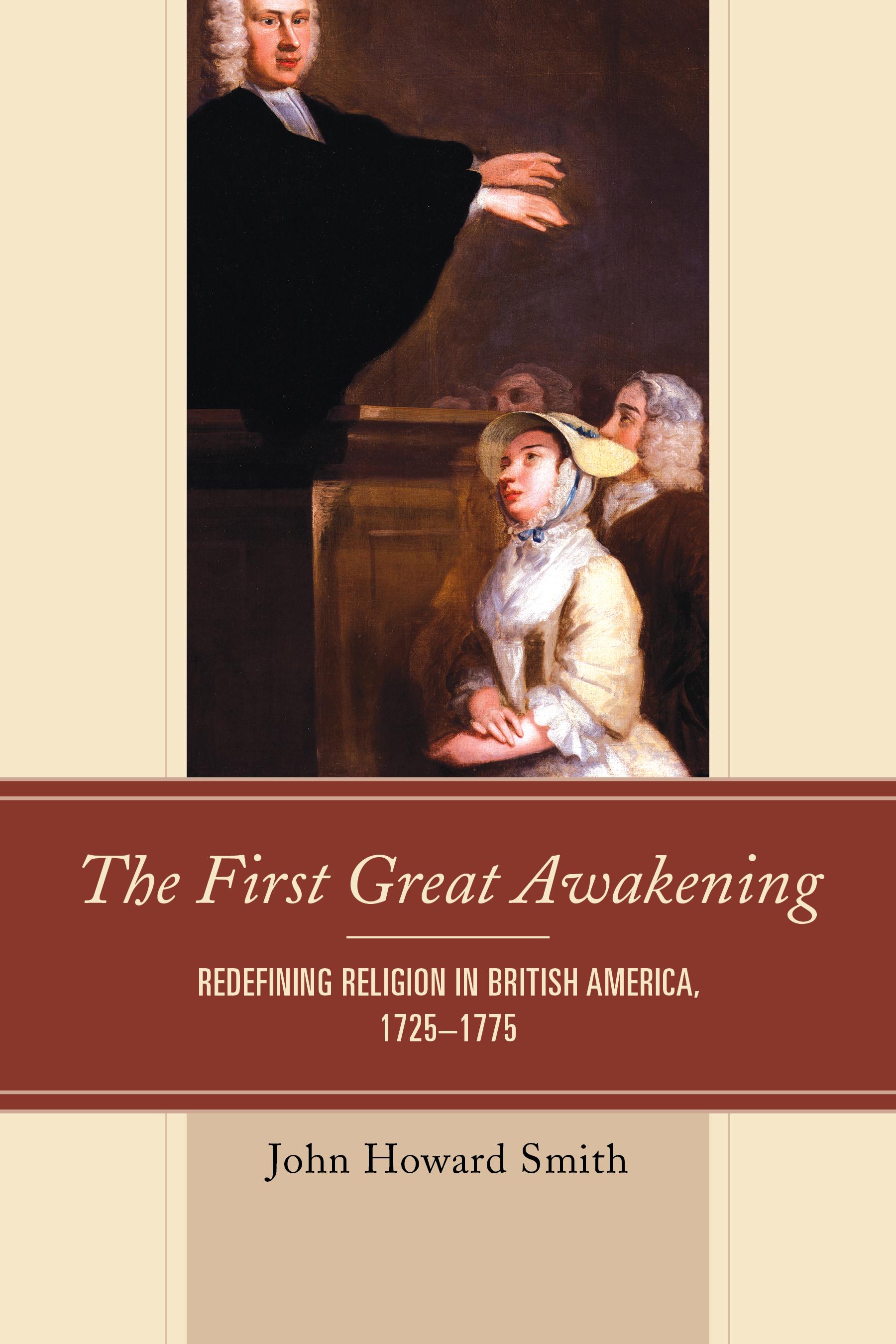
The First Great Awakening, an unprecedented surge in Protestant Christian revivalism in the Eighteenth Century, sparked enormous of controversy at the time and has been a source of scholarly debate ever since. Few historians have sought to write a synthetic history of the First Great Awakening, and in recent decades it has been challenged as having happened at all, being either an exaggeration or an “invention.” The First Great Awakening expands the movement’s geographical, theological, and sociopolitical scope. Rather than focus exclusively on the clerical elites, as earlier studies have done, it deals with them alongside ordinary people, and includes the experiences of women, African Americans, and Indians as the observers and participants they were. It challenges prevailing scholarly opinion concerning what the revivals were and what they meant to the formation of American religious identity and culture.
Cover image: NPG 131, George Whitefield by John Wollaston, oil on canvas, circa 1742. © National Portrait Gallery, London
Cover image: NPG 131, George Whitefield by John Wollaston, oil on canvas, circa 1742. © National Portrait Gallery, London
Betaal eenvoudig met kaart, Klarna, Apple Pay of Google Pay. Niet tevreden? Je hebt altijd 14 dagen bedenktijd. Lees meer in onze voorwaarden. Heb je vragen, mail ons dan via hello@memmo.org.
Memmo maakt studeren makkelijker – waar je ook bent ter wereld. Wij brengen je cursusboeken en slimme studietools samen op één plek: samenvattingen, quizzen, podcasts en flashcards. En Ted, je studievriend die antwoord geeft op alles wat je je afvraagt. Meer dan 50.000 studenten studeren hier al – gebouwd om je sneller te laten leren en minder stress te geven.