
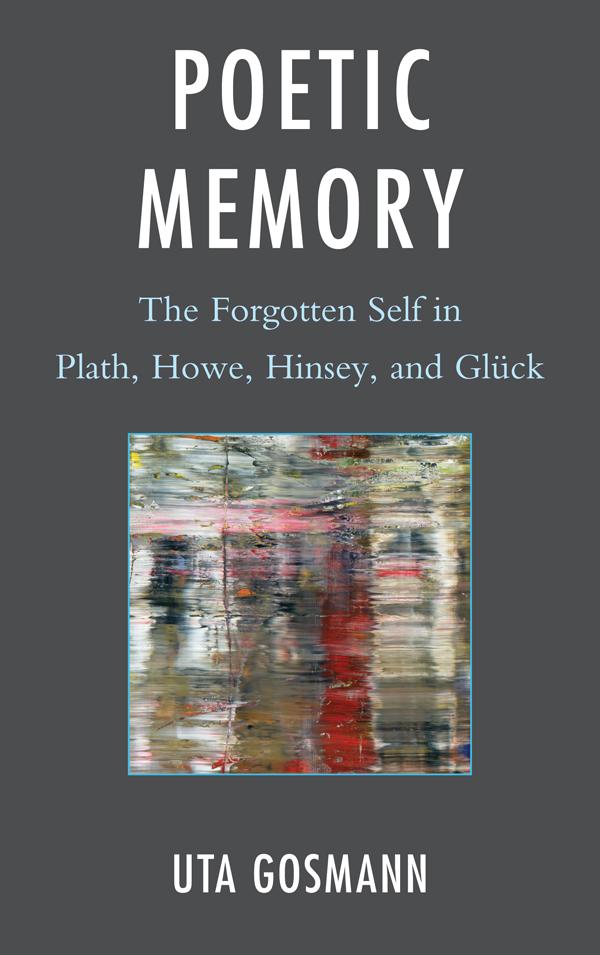
How do poems remember? What kinds of memory do poems register that factual, chronological accounts of the past are oblivious to? What is the self created by such practices of memory? To answer these questions, Uta Gosmann introduces a general theory of “poetic memory,” a manner of thinking that eschews simple-minded notions of linearity and accuracy in order to uncover the human subject’s intricate relationship to a past that it cannot fully know. Gosmann explores poetic memory in the work of Sylvia Plath, Susan Howe, Ellen Hinsey, and Louise Glück, four American poets writing in a wide range of styles and discussed here for the first time together. Drawing on psychoanalysis, memory studies, and thinkers from Nietzsche and Benjamin to Halbwachs and Kristeva, Gosmann uses these demanding poets to articulate an alternative, non-empirical model of the self in poetry.
Betaal eenvoudig met kaart, Klarna, Apple Pay of Google Pay. Niet tevreden? Je hebt altijd 14 dagen bedenktijd. Lees meer in onze voorwaarden. Heb je vragen, mail ons dan via hello@memmo.org.
Memmo maakt studeren makkelijker – waar je ook bent ter wereld. Wij brengen je cursusboeken en slimme studietools samen op één plek: samenvattingen, quizzen, podcasts en flashcards. En Ted, je studievriend die antwoord geeft op alles wat je je afvraagt. Meer dan 50.000 studenten studeren hier al – gebouwd om je sneller te laten leren en minder stress te geven.