
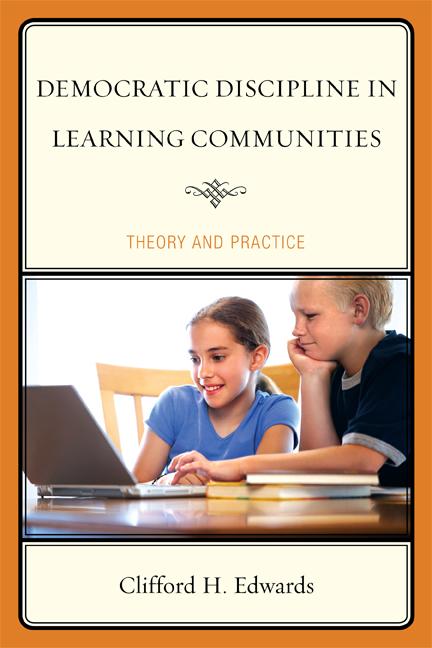
This book describes in detail the attributes of learning communities and how these characteristics help students acquire a sense of moral responsibility and commitment to fellow students. Clifford H. Edwards provides an account of how schools fail to satisfy student needs and thus promote discipline problems. Special attention is given to children's need for self-direction and how empowering them can promote more responsible learning involvement. There is also a focus on the factors that motivate learning and those that do not and how teachers can help their students become more intrinsically interested in school learning. Constructivist learning theory is presented as the most accepted explanation of how children learn and how it articulates with the learning community approach to education. The inquiry learning strategy is given as the most effective way to apply constructivist learning theory in classrooms. Appropriate relationships and effective communications are presented as essential components of learning communities and how they accentuate the effectiveness of this learning orientation. Democratic discipline within learning communities is described in detail.
Betaal eenvoudig met kaart, Klarna, Apple Pay of Google Pay. Niet tevreden? Je hebt altijd 14 dagen bedenktijd. Lees meer in onze voorwaarden. Heb je vragen, mail ons dan via hello@memmo.org.
Memmo maakt studeren makkelijker – waar je ook bent ter wereld. Wij brengen je cursusboeken en slimme studietools samen op één plek: samenvattingen, quizzen, podcasts en flashcards. En Ted, je studievriend die antwoord geeft op alles wat je je afvraagt. Meer dan 50.000 studenten studeren hier al – gebouwd om je sneller te laten leren en minder stress te geven.