
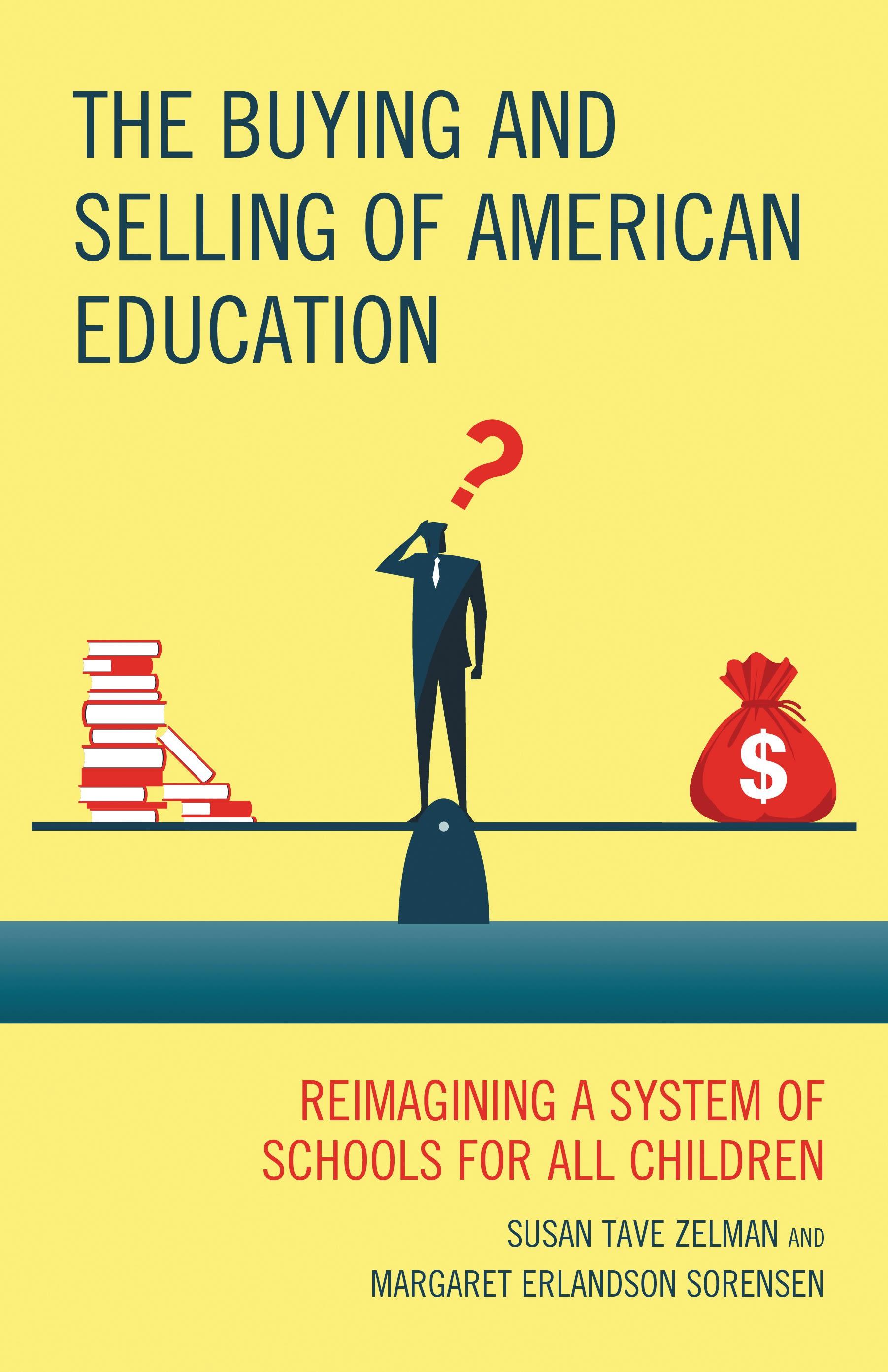
American educators and policy makers have grown increasingly frustrated in recent decades as attempts to enhance equity and bring American student learning to the level experienced in other countries have faltered. Recent efforts have included the standards movement as well as broad expansion of “school choice.” These endeavors, which largely rely on market-based thinking, assume that individual schools and teachers have the will and ability to do better, if only prodded by competition and other sticks and carrots. Such attempts overlook flaws in a system developed to provide a “common” education while also subdividing resources to maintain privilege for some. This book traces the history of American education as a foundation to examining persistent weaknesses in education today. Meaningful reform and improvement, which are urgent needs, will require broad, systemic change, based on the engagement of many sectors.
This book offers a vision for such reform. Following successful models in other countries suggests options for moving away from current, deeply enmired, systemic inequities, to a system better suited to meeting a broad range of educational needs. A portfolio of diverse schools, regionally administered and held accountable for student learning, presents an option for moving away from inequitable district structures and scatter-shot “choice” options. The critical questions are how to get there from here, and do we have the will to do so? The book concludes with suggestions on how to start the process.
This book offers a vision for such reform. Following successful models in other countries suggests options for moving away from current, deeply enmired, systemic inequities, to a system better suited to meeting a broad range of educational needs. A portfolio of diverse schools, regionally administered and held accountable for student learning, presents an option for moving away from inequitable district structures and scatter-shot “choice” options. The critical questions are how to get there from here, and do we have the will to do so? The book concludes with suggestions on how to start the process.
Betaal eenvoudig met kaart, Klarna, Apple Pay of Google Pay. Niet tevreden? Je hebt altijd 14 dagen bedenktijd. Lees meer in onze voorwaarden. Heb je vragen, mail ons dan via hello@memmo.org.
Memmo maakt studeren makkelijker – waar je ook bent ter wereld. Wij brengen je cursusboeken en slimme studietools samen op één plek: samenvattingen, quizzen, podcasts en flashcards. En Ted, je studievriend die antwoord geeft op alles wat je je afvraagt. Meer dan 50.000 studenten studeren hier al – gebouwd om je sneller te laten leren en minder stress te geven.